Summary
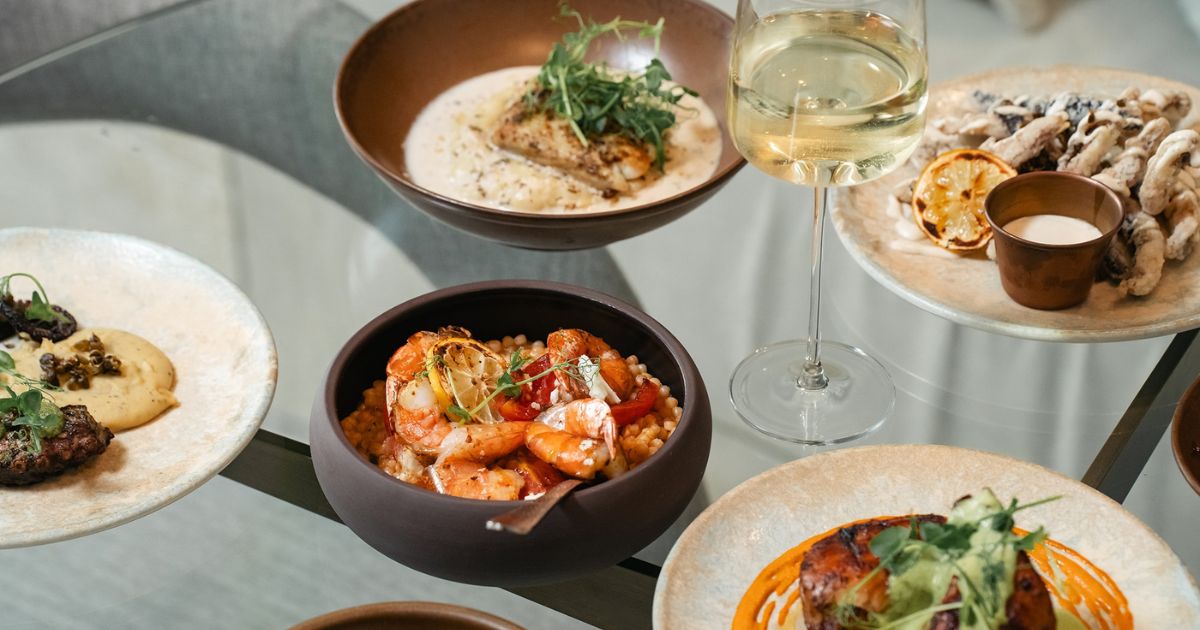
Wine pairing is a fundamental element of fine dining, designed to enhance both the flavors of the food and the overall dining experience. By thoughtfully matching wines with specific dishes, chefs and sommeliers create a harmonious balance that elevates taste, aroma, and presentation. Proper wine pairing brings out the best in both the wine and the cuisine, transforming a meal into a multi-sensory experience that is memorable and refined.
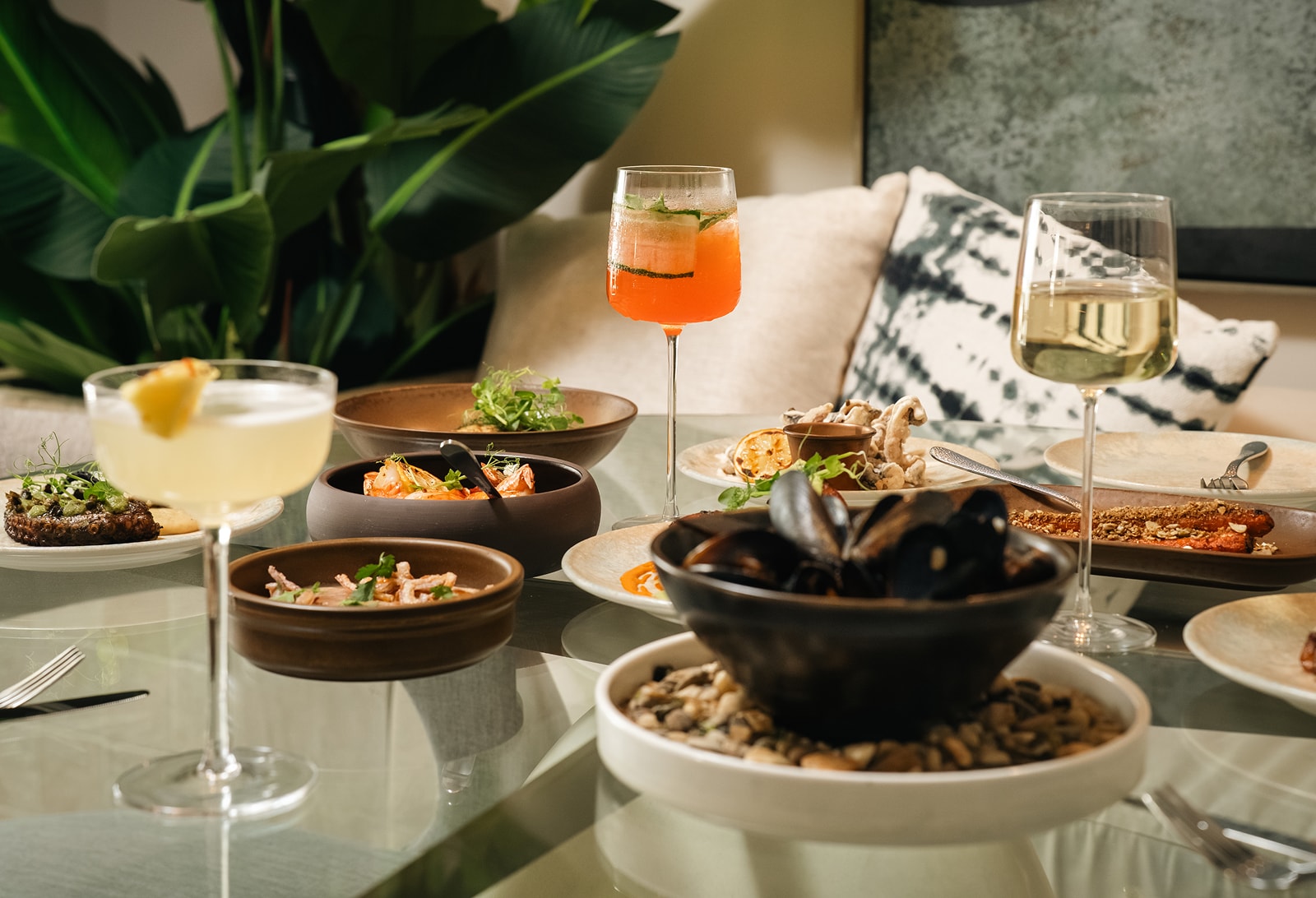
Fine dining is an intricate art that combines culinary skill, ambiance, and service into a complete sensory experience. Among its many elements, wine pairing stands out as both a science and an art, offering diners a deeper connection to the food and culture on their plate. The right wine can highlight flavors, soften textures, and create contrasts that make each bite extraordinary. From classic reds and whites to sparkling wines and dessert selections, wine pairings bring sophistication and enjoyment to every course.
Understanding the Principles of Wine Pairing
Wine pairing in fine dining is guided by principles that balance flavor, texture, and intensity between food and wine. It is a careful consideration of how different wine characteristics interact with ingredients to create harmony on the palate.
A sommelier’s role is to ensure that each pairing complements the dish without overpowering it. Factors such as acidity, tannin, sweetness, and body are matched with elements like seasoning, fat content, and cooking style. For example, a crisp Sauvignon Blanc might be paired with seafood to enhance freshness, while a bold Cabernet Sauvignon complements a rich, grilled steak.
Wine pairing also reflects regional and cultural influences. In Barbados, for instance, local seafood dishes are often paired with light, aromatic whites, while more robust Caribbean-inspired dishes might be served alongside fruity reds, providing an authentic taste experience that resonates with the island’s culinary traditions.
Common Wine Pairing Techniques
Effective wine pairing techniques allow fine dining restaurants to consistently elevate the dining experience. Sommeliers and chefs work together to craft menus that bring out the best in both food and wine.
Some of the most widely used pairing techniques include:
- Complementary Pairing: Matching wines that share similar flavor profiles with the dish.
- Contrasting Pairing: Choosing a wine that contrasts with the dish to create balance and highlight distinct flavors.
- Regional Pairing: Serving wines from the same region as the cuisine to maintain authenticity and tradition.
- Textural Pairing: Considering the body and mouthfeel of the wine in relation to the texture of the food.
- Occasion-Based Pairing: Selecting wines that suit the dining occasion or seasonal menu elements.
These techniques ensure that diners enjoy a nuanced experience where every sip enhances the flavors of the food.
Wine Pairings at Fine Dining Restaurants
Fine dining restaurants often feature curated wine lists designed to accompany their signature dishes. Each pairing is chosen to elevate the meal, offering a journey through taste and aroma.
| Dish |
Recommended Wine |
Flavor Enhancement |
| Seared Scallops |
Chardonnay |
Enhances buttery richness and delicate sweetness |
| Grilled Ribeye |
Cabernet Sauvignon |
Balances the meat’s bold flavors and richness |
| Roasted Duck |
Pinot Noir |
Complements tender meat with subtle fruit notes |
| Chocolate Soufflé |
Port or Banyuls |
Enhances sweetness and deep cocoa notes |
| Tropical Seafood Curry |
Riesling |
Balances spiciness with refreshing acidity |
Restaurants like UVA Restaurant in Barbados exemplify how careful wine pairing can enhance Caribbean cuisine. Their sommeliers collaborate with chefs to ensure that every dish is perfectly matched with a wine that accentuates flavor, aroma, and presentation.
Contact us today to learn more about fine dining wine pairings and how restaurants like UVA Restaurant in Barbados create unforgettable culinary experiences through expertly selected wines.
FAQ
1. What is wine pairing?
Wine pairing is the practice of matching wines with specific foods to enhance the flavors and overall dining experience.
2. Why is wine pairing important in fine dining?
Proper wine pairing can highlight the flavors of both the dish and the wine, creating a harmonious and elevated dining experience.
3. How do sommeliers choose the right wine?
Sommeliers consider factors such as acidity, sweetness, body, flavor profile, and the texture of the dish to select complementary wines.
4. Can wine pairing be personalized?
Yes, sommeliers can tailor wine pairings to individual taste preferences, dietary considerations, and the overall menu experience.
5. Are wine pairings limited to red and white wines?
No. Fine dining pairings can include sparkling wines, dessert wines, rosés, and fortified wines, depending on the dish and desired flavor profile.