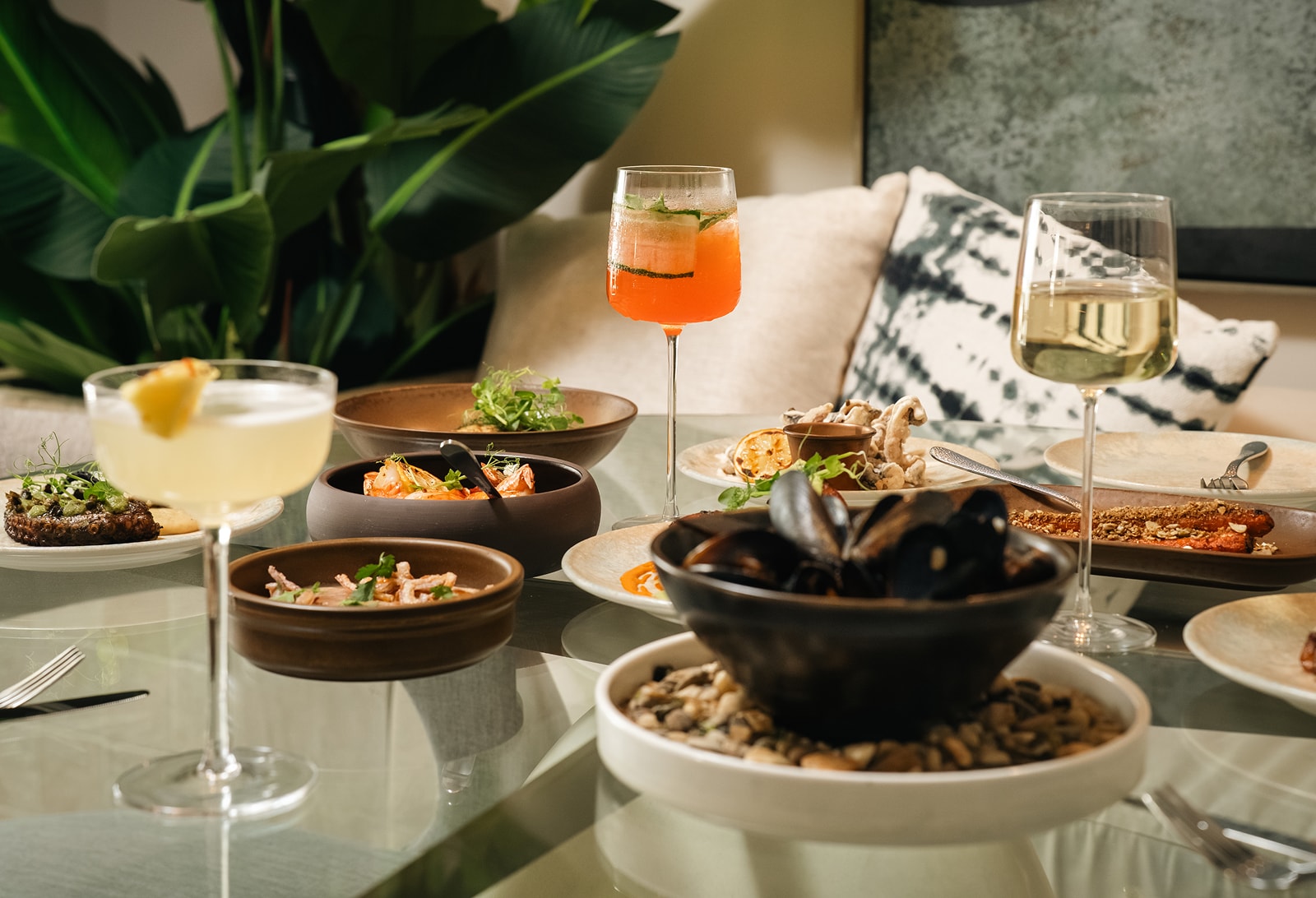
Food
August 16, 2026
Why Is Texture Important in Fine Dining Dishes?
Learn why texture is essential in fine dining dishes and how chefs use contrast, cooking techniques, and balanced mouthfeel to create memorable culinary experiences.
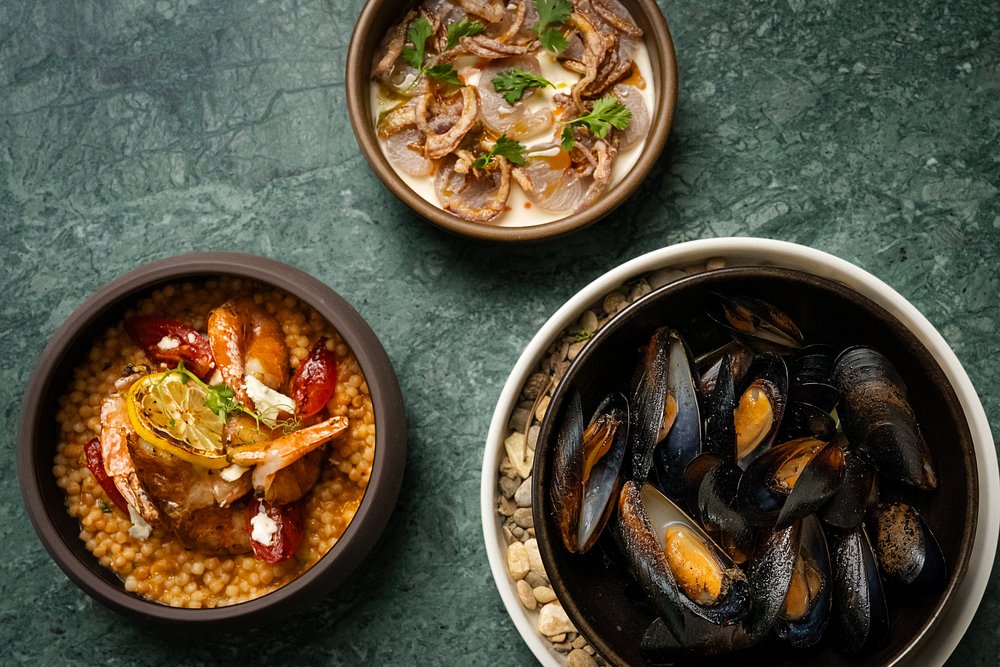
Texture is important in fine dining dishes because it adds contrast, enhances flavor perception, and creates a more memorable eating experience. Great chefs intentionally combine crisp, creamy, tender, crunchy, and silky elements so every bite feels balanced and engaging. Texture works alongside taste, aroma, and presentation to create a multisensory dining experience that keeps guests interested from the first course to dessert. Recent food science research also shows that texture plays a significant role in how people perceive quality, enjoyment, and overall satisfaction with a meal.[1]
Fine dining is about much more than exceptional flavors. Every element on the plate is carefully considered to create an experience that delights all of the senses.
Texture makes fine dining more enjoyable by introducing contrast that keeps each bite interesting. Rather than serving foods with similar consistencies, chefs combine multiple textures to create depth and balance.
Imagine a creamy seafood risotto topped with delicately charred seafood, crispy herbs, and a bright citrus garnish. Each component contributes something different, creating an experience that evolves as you eat. The contrast between smooth, crisp, tender, and lightly crunchy elements prevents dishes from feeling one-dimensional.
Research continues to show that texture significantly influences how people perceive flavor and overall food quality, making it one of the most important sensory characteristics in cuisine.[1]
Professional chefs use cooking techniques as carefully as they select ingredients. Every method contributes to the final mouthfeel of a dish.
Common techniques used to create texture include:
The goal is never to make a dish complicated simply for the sake of complexity. Instead, each textural element has a purpose, enhancing the overall balance and making the flavors more expressive.
Texture influences how flavors are experienced throughout a meal. Rich dishes become more refreshing when paired with crisp vegetables or acidic garnishes, while delicate seafood benefits from creamy sauces that add body without overpowering the main ingredient.
A well-balanced dish considers how each bite feels as much as how it tastes. Smooth purées, crispy garnishes, tender seafood, and fresh herbs all contribute to a complete sensory experience. This thoughtful layering is one of the defining characteristics of contemporary fine dining.
Texture also affects pacing. A dish with multiple textures naturally encourages diners to slow down, appreciate each bite, and notice the craftsmanship behind every component.
Texture often becomes the detail guests remember most because it creates surprise and excitement throughout the meal. Even familiar ingredients can feel entirely new when prepared with thoughtful techniques that introduce contrast and balance.
Characteristics of memorable texture include:
When texture is carefully planned alongside flavor and presentation, every dish becomes more engaging. This attention to detail is one of the qualities that separates exceptional fine dining from an ordinary meal.
If you'd like to experience how carefully crafted textures elevate contemporary cuisine, contact us today. We'd love to welcome you for a dining experience where every dish is designed to delight all of the senses.

Adrienne Thorpe is a Marketing Coordinator for UVA Barbados, with a passion for the food and beverage industry and a focus on transforming guest experiences into unforgettable memories.