Summary
Hospitality is important in Caribbean dining culture because sharing food, welcoming guests, and creating a sense of community are central to the region's diverse culinary traditions. A memorable dining experience goes beyond the food itself, combining warm service, generosity, local flavors, and an atmosphere that makes people feel comfortable and valued. In restaurants, these qualities help connect guests with Caribbean culture while turning a meal into an opportunity for conversation, discovery, and meaningful connection.
Caribbean dining is about more than enjoying fresh seafood, vibrant spices, and tropical ingredients; it is also about the people and traditions that bring a meal to life. From family gatherings to contemporary fine dining, hospitality helps create an experience that feels welcoming, personal, and connected to the region's cultural identity.
How Does Hospitality Reflect Caribbean Culture?
Hospitality reflects Caribbean culture by emphasizing warmth, generosity, community, and the pleasure of welcoming others around the table. Across the Caribbean, food often plays an important role in family celebrations, neighborhood gatherings, and cultural events, making the dining experience closely connected to relationships and shared traditions.
The region's culinary identity is diverse, shaped by African, Indigenous, European, South Asian, and other cultural influences that vary across islands and communities. These influences can be seen in the ingredients, cooking techniques, and customs surrounding meals, while hospitality provides a common way to make guests feel included and appreciated.
In restaurants, this cultural spirit can be expressed through attentive service, genuine conversation, thoughtful recommendations, and a welcoming atmosphere. The goal is not simply to serve a dish correctly, but to help guests feel that they are part of an experience worth remembering.
- Warm welcomes help guests feel comfortable from the moment they arrive.
- Generous hosting reflects the pleasure of sharing food and company.
- Local ingredients and traditions introduce guests to the region's culinary identity.
- Personal attention makes the experience feel thoughtful rather than routine.
- A relaxed atmosphere encourages conversation and connection.
How Does Hospitality Make Restaurant Guests Feel Welcome?
Hospitality makes restaurant guests feel welcome by combining attentive service, genuine warmth, and an environment where people feel comfortable being themselves. While good food may bring guests through the door, the way they are treated often shapes how they remember the experience and whether they want to return.
Small details can make a meaningful difference, from greeting guests warmly and explaining unfamiliar menu items to accommodating dietary needs and offering recommendations without pressure. Good hospitality also involves reading the room: some guests appreciate friendly conversation, while others prefer a quieter, more private meal.
Consistency matters just as much as friendliness. When the welcome, service, and overall atmosphere feel thoughtful throughout the visit, guests can relax and focus on enjoying their food and company.
| Element of Hospitality |
How It Improves the Experience |
| Warm greetings |
Help guests feel immediately welcome. |
| Knowledgeable service |
Builds confidence when choosing dishes. |
| Attentiveness |
Helps guests feel recognized and cared for. |
| Respect for preferences |
Makes the experience more comfortable and personal. |
| Consistent service |
Creates trust and encourages repeat visits. |
Why Are Food, Sharing, and Community Closely Connected?
Sharing food helps strengthen relationships and create a sense of belonging, making it an important part of hospitality in many Caribbean communities. Meals can bring together relatives, neighbors, friends, and visitors, providing an opportunity to exchange stories, celebrate milestones, and maintain connections across generations.
A 2024 study published in Globalization and Health examined food-sharing practices across five English-speaking Caribbean countries. Researchers found that participants viewed sharing food as part of cultural identity and tradition, helping foster connection and belonging within their communities.[1] Although practices differ across islands and households, the findings illustrate how food can carry social meaning beyond nourishment.
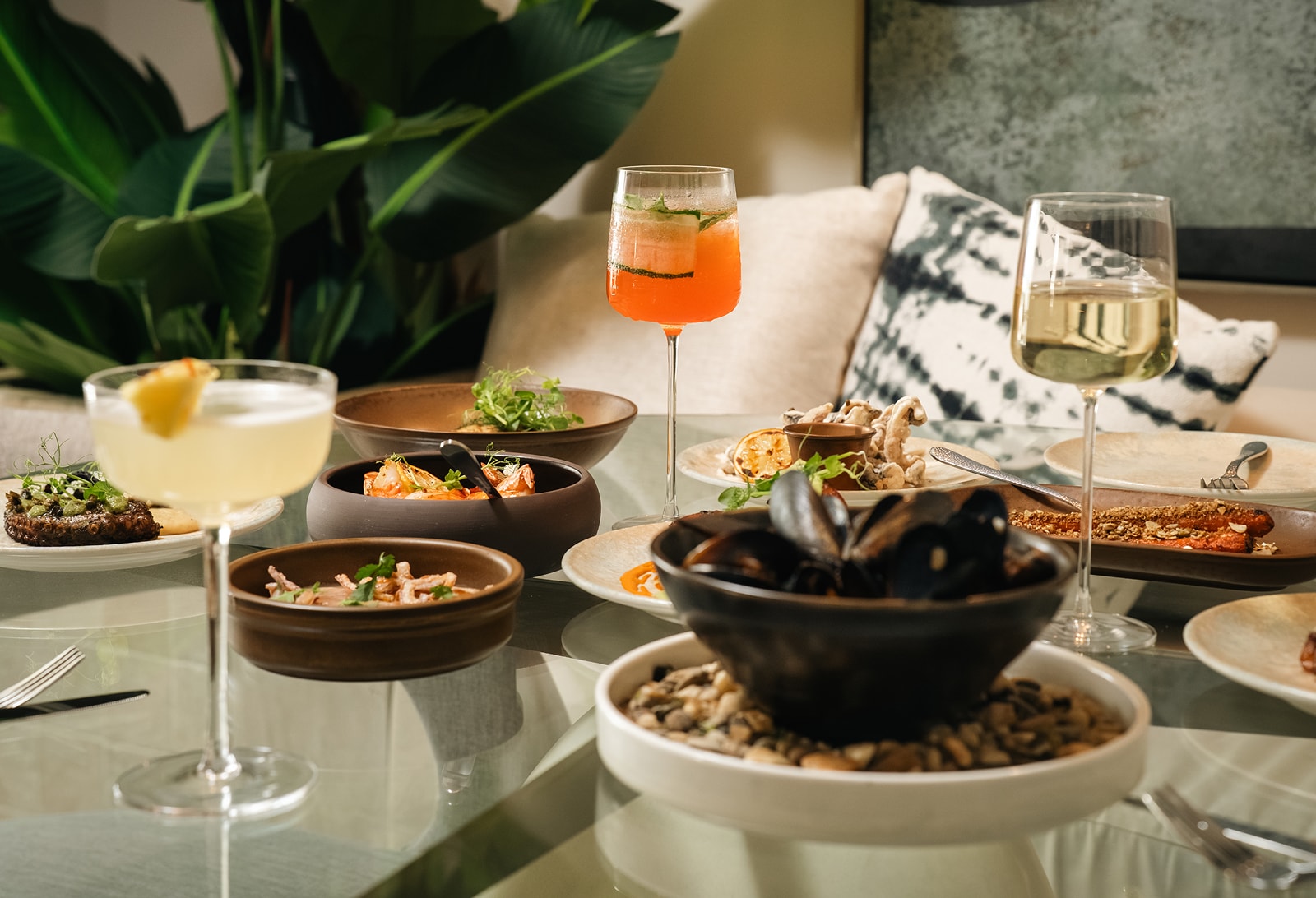
Restaurants can reflect this spirit through menus designed for exploration, dishes that invite conversation, and service that encourages guests to enjoy the experience at their own pace. Sharing plates, tasting menus, and thoughtfully suggested combinations can help make a restaurant meal feel like a communal occasion rather than simply an individual transaction.
- Shared plates encourage guests to sample dishes together.
- Family-style meals make gathering around the table feel natural.
- Local specialties introduce guests to regional food traditions.
- Celebratory dining creates opportunities to mark meaningful occasions.
- Thoughtful recommendations help guests discover new flavors together.
How Can Restaurants Preserve Caribbean Hospitality in Modern Fine Dining?
Restaurants can preserve Caribbean hospitality in modern fine dining by combining professional service with the warmth, generosity, and cultural connection that make guests feel genuinely cared for. Elegant presentation and refined techniques do not need to make a restaurant feel formal or distant; they can coexist with a relaxed, welcoming atmosphere.
A contemporary restaurant can express this balance through locally inspired ingredients, knowledgeable staff, well-paced service, and a dining room that encourages guests to settle in and enjoy themselves. The goal is to provide a polished experience without losing the human connection that makes hospitality meaningful.
Ultimately, great hospitality is about understanding that every guest arrives with different expectations. By paying attention to individual preferences while maintaining a consistent sense of warmth and care, restaurants can honor Caribbean dining traditions and create experiences that guests want to revisit.
At its best, Caribbean hospitality makes people feel that they are not simply being served a meal but being welcomed into an experience shaped by food, culture, and connection.
Contact us to learn more about our menu and discover how Caribbean warmth, Mediterranean influences, and thoughtful service come together in our dining experience.
FAQ
1. What does hospitality mean in Caribbean dining culture?
Hospitality in Caribbean dining culture refers to welcoming guests with warmth, generosity, and care, often through food, conversation, attentive service, and a comfortable atmosphere.
2. Why is sharing food important in Caribbean communities?
Sharing food can strengthen relationships, preserve family traditions, support neighbors, and create a sense of belonging. Its role varies across Caribbean islands and communities.
3. What is the difference between customer service and hospitality?
Customer service focuses on meeting guests' practical needs, while hospitality also emphasizes how guests feel throughout the experience. The two work together to create a welcoming visit.
4. How can restaurants make guests feel more welcome?
Restaurants can greet guests warmly, provide clear menu guidance, respect dietary requirements, listen carefully, and offer attentive service without making guests feel rushed.
5. Can fine dining still feel relaxed and welcoming?
Yes. Fine dining can combine sophisticated food and professional service with a comfortable atmosphere, friendly communication, and a genuine sense of welcome.
Citations
1. Brugulat-Panés, A., Foley, L., Murphy, M. M., et al. “An exploratory case study of food sharing practices in Caribbean countries through a transition lens using intergenerational dyad interviews,” Globalization and Health, Springer Nature, Accessed October 25, 2026, https://link.springer.com/article/10.1186/s12992-024-01094-0.