Food
April 5, 2026
Why Does Atmosphere Matter as Much as Food in Fine Dining?
Discover why atmosphere is as important as food in fine dining, and how lighting, décor, service, and layout create immersive, memorable dining experiences.
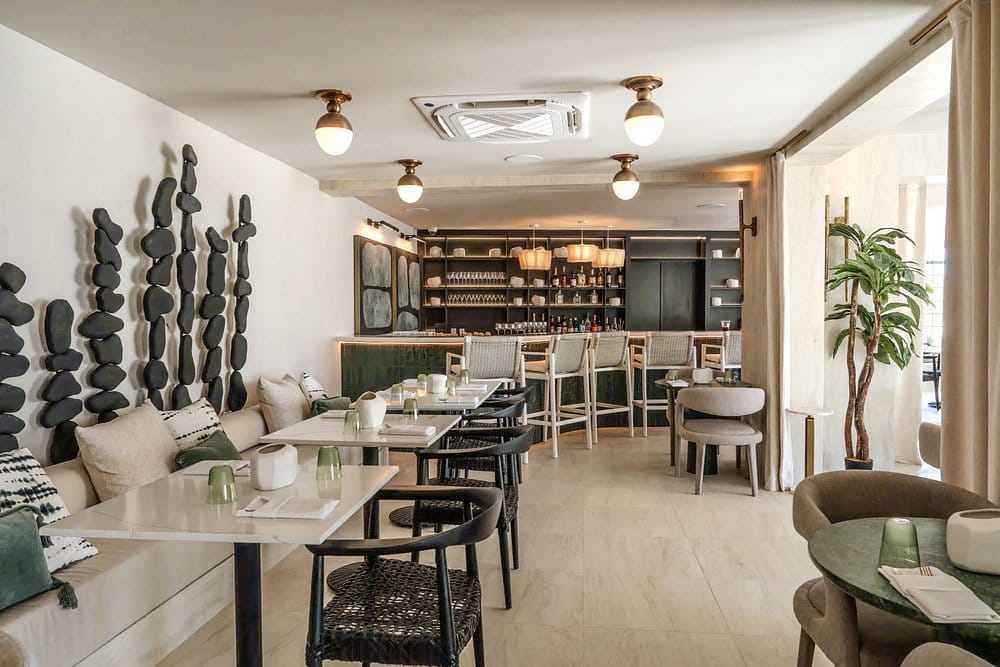
Atmosphere matters as much as food in fine dining because it shapes the emotional and sensory experience of a meal. Elements such as lighting, décor, acoustics, and service influence how guests perceive flavors, comfort, and the overall quality of the dining experience. A thoughtfully crafted atmosphere enhances enjoyment, encourages lingering, and reinforces the memory of the meal. When ambiance and cuisine are in harmony, the dining experience becomes fully immersive, making the meal more than just food, it becomes a lasting experience.
Fine dining is about more than just exquisite dishes; the setting in which the meal is enjoyed profoundly affects the overall experience. Guests perceive the quality of the food in the context of its surroundings, from the furniture and lighting to the sounds and service. A well-designed atmosphere sets the tone for the evening and primes guests’ senses. When these elements align, meals become memorable experiences that delight both taste and emotion.
Lighting, sound, and décor are critical factors that influence comfort and perception in fine dining. Each of these elements contributes to the way guests feel and engage with their meal.
Key aspects include:
These elements help create a cohesive atmosphere that complements the culinary offerings. Guests feel relaxed, engaged, and ready to enjoy both food and company. Thoughtful ambiance enhances the perceived quality of the entire experience.
Lighting and décor also guide attention, subtly highlighting areas of the restaurant and plate presentation. Sound levels influence social interaction and overall energy. Together, they craft an environment where meals are appreciated more fully.
Attentive and unobtrusive service contributes to a positive atmosphere by creating rhythm and comfort throughout the dining experience. Guests feel valued without being overwhelmed.
This orchestrated approach ensures guests remain focused on the enjoyment of the meal while feeling cared for. Service reinforces the atmosphere rather than detracting from it, strengthening the overall dining experience.
Consistent service flow supports comfort and satisfaction. When staff anticipate needs and maintain rhythm without intrusion, the restaurant’s atmosphere feels seamless and effortless.
When atmosphere and cuisine work together, guests enjoy a fully immersive experience. Each factor reinforces the others, making the meal memorable in both flavor and environment. This balance is what defines exceptional fine dining.
At UVA, we’ve created an environment that delights guests from entry to dessert. Explore how atmosphere and service can enhance your dining experiences, contact us today.
1. Why does atmosphere matter in fine dining?
Atmosphere shapes comfort, mood, and perception of the meal, impacting guests’ overall satisfaction.
2. What elements make up a restaurant’s atmosphere?
Lighting, décor, acoustics, service, and table layout all contribute to ambiance.
3. Can good atmosphere improve perception of food?
Yes, a well-designed environment enhances visual appeal, focus, and enjoyment, making food taste better psychologically.
4. How does service contribute to atmosphere?
Attentive, unobtrusive service supports comfort and flow, reinforcing the overall dining environment.
5. Is atmosphere more important than food?
While food is central, a harmonious atmosphere amplifies enjoyment and creates lasting memories, making both essential for fine dining success.

Adrienne Thorpe is a Marketing Coordinator for UVA Barbados, with a passion for the food and beverage industry and a focus on transforming guest experiences into unforgettable memories.