Summary
The best fine dining experiences encourage guests to linger because extended time enhances enjoyment, deepens emotional connection, and allows every element of the meal to unfold at its intended pace. Lingering enables guests to fully appreciate the progression of courses, the ambiance, and the attentive service, transforming dining into a memorable experience rather than a rushed transaction. When guests feel comfortable staying longer, they relax, engage more deeply with their companions, and leave with stronger positive impressions. This intentional pacing is a hallmark of exceptional hospitality and contributes significantly to guest satisfaction.
Fine dining is designed to be savored, not hurried. Every detail, from the timing of courses to the atmosphere of the room, supports a relaxed and enjoyable pace. Guests who linger often discover nuances in flavor, service, and ambiance that would otherwise be missed. This thoughtful approach ensures that the experience feels complete, satisfying, and memorable.
Lingering Allows the Full Experience to Unfold Naturally
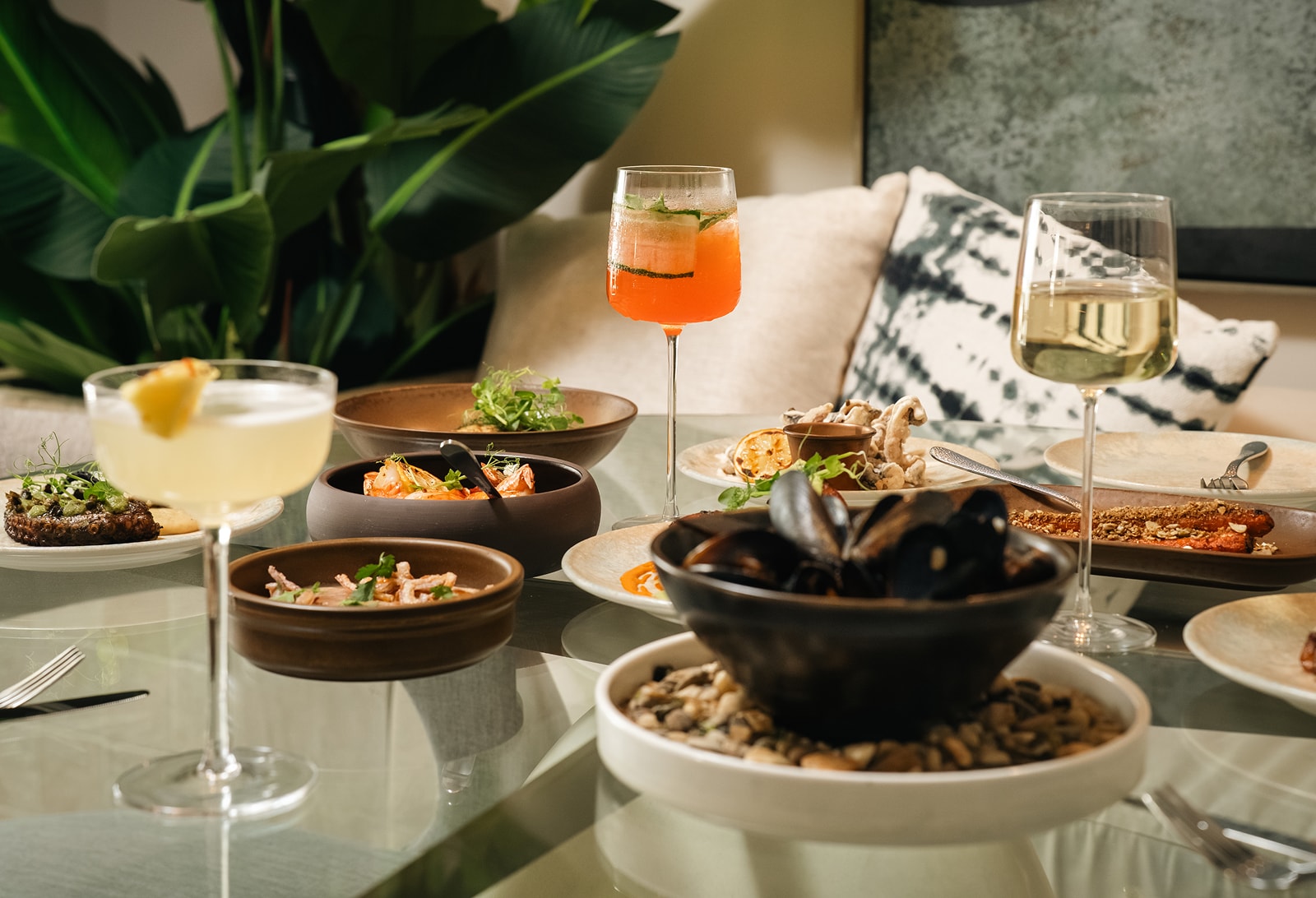
Encouraging guests to linger ensures that each course and moment can be appreciated without pressure or interruption. Fine dining is structured as a journey, with each course building upon the last in flavor, presentation, and emotional impact. When guests move at a comfortable pace, they are more likely to notice these thoughtful transitions. This creates a sense of rhythm and continuity throughout the meal.
Allowing time between courses also enhances anticipation and enjoyment. Guests can reflect on what they have just experienced while looking forward to what comes next. This pacing supports both physical comfort and emotional engagement, preventing the meal from feeling overwhelming or rushed. The result is a more balanced and satisfying experience.
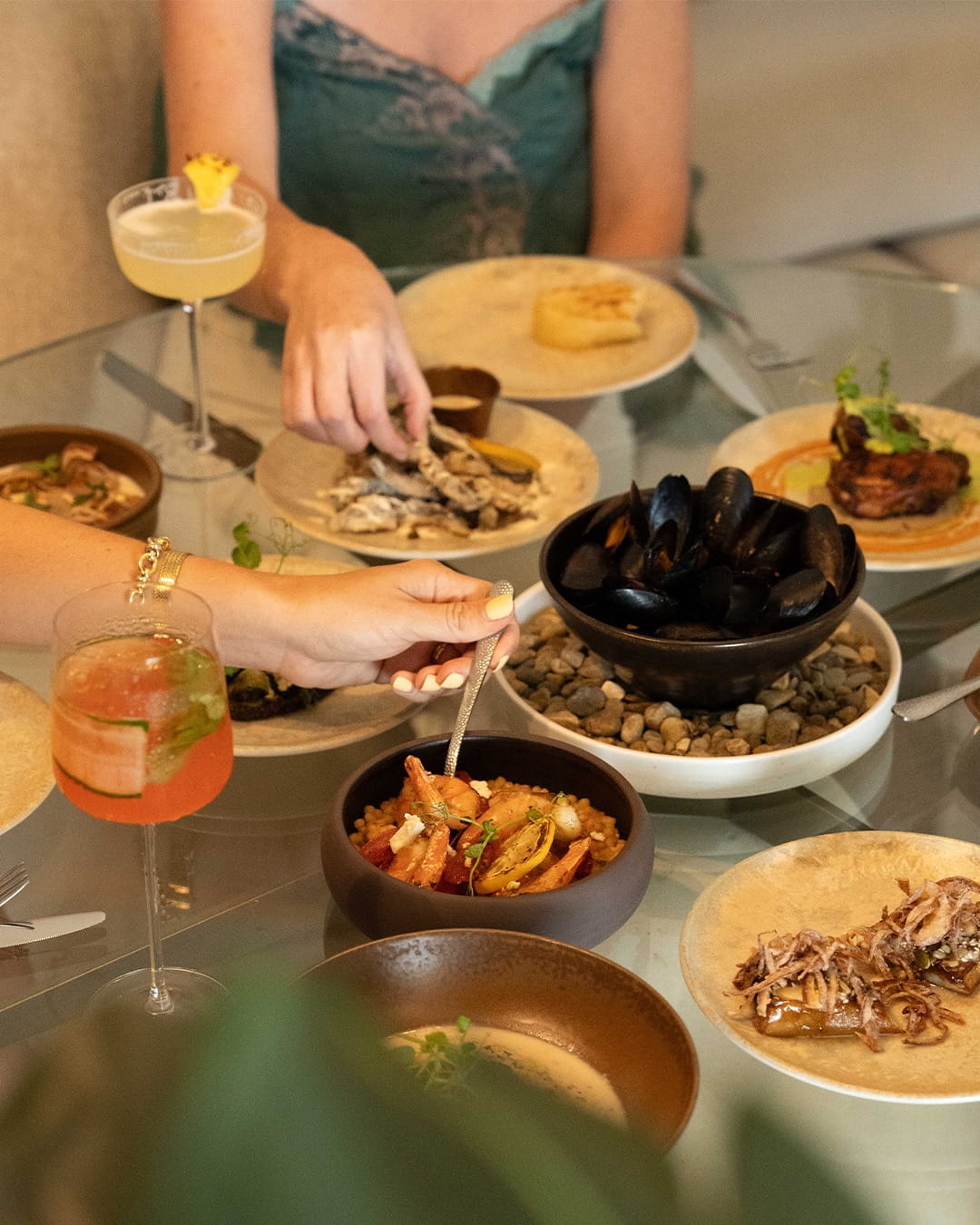
Lingering also strengthens the social aspect of dining. Guests can converse freely, celebrate special moments, and enjoy each other’s company without distraction. This unhurried environment fosters connection, which is one of the most meaningful components of hospitality. The meal becomes a shared experience rather than simply a sequence of courses.
Comfortable Environments Encourage Guests to Stay Longer
Fine dining environments are intentionally designed to make guests feel relaxed, welcome, and comfortable enough to linger. Every element contributes to an atmosphere that supports extended enjoyment and ease.
Key elements that encourage lingering include:
- Comfortable seating that supports longer periods of relaxation
- Warm, balanced lighting that creates a calm and inviting mood
- Noise levels that allow easy conversation without strain
- Attentive service that remains present without feeling intrusive
- Spacious layouts that provide privacy and comfort
These design choices work together to reduce stress and create a sense of ease. Guests who feel physically comfortable are more likely to relax and remain present in the moment. This contributes to greater satisfaction and enjoyment.
Thoughtful environmental design also signals that guests are welcome to stay. When there is no pressure to rush, guests feel valued rather than processed. This reinforces trust and enhances the overall perception of quality.
Service Pace and Timing Play a Critical Role
Fine dining restaurants carefully pace service to support lingering while maintaining a smooth and enjoyable flow. Timing is managed to ensure guests feel attended to without being rushed or forgotten.
| Service Element | Encourages Lingering | Discourages Lingering |
| Course Timing | Thoughtfully spaced courses | Courses delivered too quickly |
| Staff Interaction | Attentive and patient service | Frequent interruptions |
| Table Management | Flexible timing for guests | Pressure to turn tables quickly |
| Check Presentation | Offered at appropriate time | Presented too early |
| Overall Atmosphere | Relaxed and welcoming | Busy and rushed feeling |
Proper pacing ensures guests feel cared for throughout their visit. Service teams monitor guest cues and adjust timing accordingly. This flexibility allows each table to move at its own ideal pace.
When service timing aligns with guest comfort, the experience feels seamless and intentional. Guests remain engaged, relaxed, and fully present. This contributes to lasting positive impressions.
When guests are encouraged to linger, they leave with stronger emotional connections to the experience. This sense of care and attentiveness defines exceptional hospitality.
If you would like to learn more about creating or enjoying meaningful dining experiences, contact us today. Our team is dedicated to delivering thoughtful service, welcoming environments, and memorable moments for every guest.
FAQ
1. Why is fine dining slower than casual dining?
Fine dining is intentionally paced to allow guests to fully appreciate each course, enjoy conversation, and experience the atmosphere without feeling rushed.
2. Is it acceptable to stay a long time at a fine dining restaurant?
Yes, lingering is encouraged in fine dining environments, as it reflects guest comfort and enjoyment of the experience.
3. How long does a typical fine dining experience last?
Most fine dining meals last between 1.5 and 3 hours, depending on the number of courses and the guests’ preferred pace.
4. Why don’t fine dining restaurants rush guests?
Rushing guests diminishes the overall experience and can negatively affect satisfaction, while thoughtful pacing enhances comfort and enjoyment.
5. Does lingering improve guest satisfaction?
Yes, guests who linger often feel more relaxed, more engaged, and more satisfied with their overall dining experience.