Summary
Guests often enjoy watching the energy of an open dining room because it makes the restaurant feel lively, social, and connected. Seeing servers move through the room, chefs prepare dishes, guests share conversations, and plates arrive at nearby tables can make diners feel like they are part of something happening rather than simply sitting in an isolated space. Research on hospitality environments supports the broader idea that a restaurant's physical setting and atmosphere contribute meaningfully to the overall guest experience.[1] An open dining room can therefore add a sense of movement and anticipation that complements the food, service, and social nature of dining.
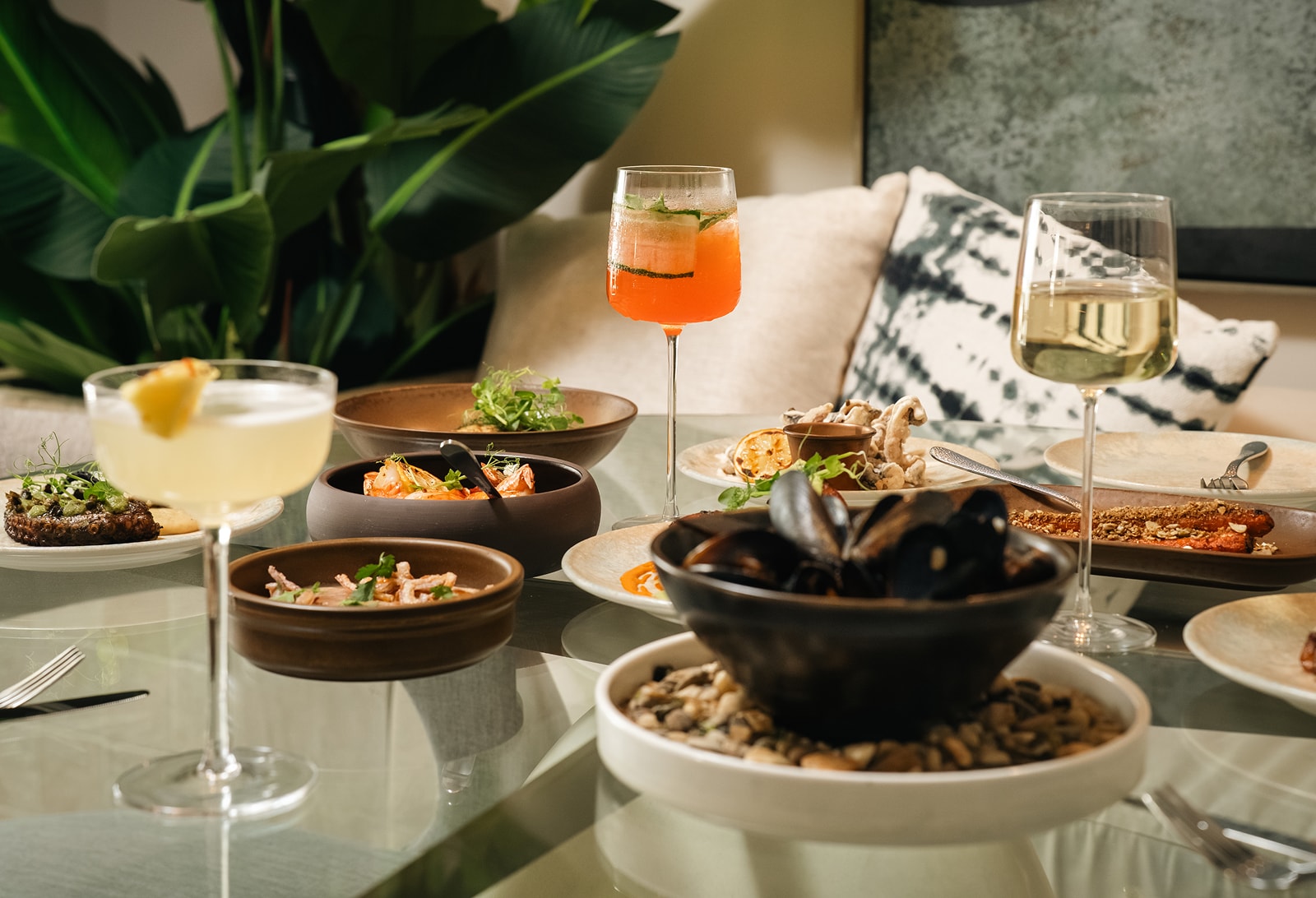
An open dining room gives guests more than a place to sit and eat; it gives them a view into the rhythm of the restaurant itself. From the movement of the service team to the interaction between tables, that visible energy can make an evening feel spontaneous, social, and memorable.
The Dining Room Becomes Part of the Experience
An open dining room can make the restaurant environment feel more engaging by allowing guests to see the movement and activity surrounding their table. Rather than separating diners from everything happening beyond their immediate space, an open layout creates a sense of connection between the different parts of the restaurant.
This does not mean that every restaurant needs a completely open floor plan. The most effective spaces carefully balance openness with enough separation for guests to feel comfortable. Table placement, sightlines, lighting, and seating arrangements can determine whether the room feels vibrant or overwhelming.
Research published in 2024 reviewing more than two decades of hospitality physical-environment research found that the physical environment is an important component of the guest experience and highlighted the role of restaurant atmospherics in hospitality research.[1] The design of a dining room therefore contributes to much more than appearance.
Watching Service Creates a Sense of Occasion
Visible service activity can add energy to a meal because guests can observe the rhythm of hospitality happening around them. Servers carrying beautifully presented plates, bartenders preparing drinks, and staff moving purposefully through the room can create a subtle sense of occasion.
The energy becomes particularly enjoyable when service appears coordinated rather than chaotic. Guests may notice:
- Plates arriving at neighboring tables
- Servers moving smoothly between tables
- Drinks being prepared at the bar
- Staff interacting naturally with guests
- Different courses progressing throughout the dining room
These details can create anticipation without requiring the restaurant to put on a performance. The activity simply becomes part of the atmosphere.
A well-run dining room also communicates that something is happening beyond an individual table. Guests can see that their meal is part of a larger evening, shared with other people who are also enjoying food, conversation, and hospitality.
An Open Room Encourages Social Connection
An open dining room can encourage a stronger sense of social connection because guests can experience the presence and energy of other diners. Conversations, laughter, movement, and shared moments give the space a communal quality.
This is especially relevant to restaurants where sharing dishes or sampling several plates is part of the experience. Guests may notice what arrives at another table and become curious about different dishes, drinks, or combinations.
Research into restaurant experiences has found relationships between food, service, atmosphere, and customer satisfaction, illustrating why the experience extends beyond what is placed directly in front of a diner.[2] An active dining room can therefore become one of the sensory and social elements that help shape the evening.
Elements That Create Appealing Dining-Room Energy
| Element | Contribution to the Experience |
| Open Sightlines | Let guests observe the movement and activity of the room |
| Visible Service | Adds rhythm and anticipation to the meal |
| Table Spacing | Balances social energy with personal comfort |
| Lighting and Sound | Helps shape the room's overall mood |
Energy Should Feel Natural, Not Manufactured
The best restaurant energy feels natural because it comes from genuine interaction rather than deliberate spectacle. Guests should be able to observe the restaurant's activity without feeling that they are watching a staged performance.
That distinction matters in contemporary dining. A restaurant can have an open kitchen, visible bar, communal areas, or an active dining room while still maintaining an atmosphere that feels sophisticated and comfortable. The activity should support the experience rather than compete with it.
An open dining room can also give the restaurant a feeling of authenticity. Guests see the people behind the experience, observe the rhythm of service, and get a sense of how the evening unfolds.
The Right Balance Between Energy and Comfort
An engaging dining room still needs moments of calm. Too much noise, movement, or visual activity can make a space feel hectic, particularly when guests are trying to have an intimate conversation or enjoy a leisurely meal.
Thoughtful restaurant design therefore considers how energy is distributed throughout the space. A lively bar or central service area can provide movement while quieter tables offer a more relaxed experience.
This balance allows different guests to enjoy the room in different ways. Some may appreciate being close to the action, while others may prefer a table where they can observe the activity from a little farther away.
Why the Energy Can Make a Meal Memorable
A memorable restaurant experience is rarely created by food alone; atmosphere, service, social interaction, and physical surroundings can all contribute to the impression guests take away. Research published in 2024 found that gastronomic experiences are associated with restaurant image and customer-perceived value, satisfaction, and loyalty.[3]
The energy of an open dining room can make guests feel connected to the restaurant rather than separated from it. They experience the movement, sounds, conversations, and visual details that make the space feel alive.
When those elements are carefully balanced, the dining room becomes part of the story of the evening. Guests are not simply enjoying a meal, they are experiencing the restaurant as a place filled with people, movement, hospitality, and shared moments.
If you'd like to experience a dining environment where thoughtful design, gracious service, and the energy of the room come together naturally, contact us to learn more. We look forward to welcoming you for an evening designed to encourage good food, conversation, and time well spent.
FAQ
- What is an open dining room?
An open dining room is a restaurant layout designed to provide greater visibility and connection between tables, service areas, bars, kitchens, or other active parts of the restaurant. - Why do guests enjoy seeing restaurant activity?
Watching service and other activity can make guests feel connected to the atmosphere and gives the dining experience a sense of movement and occasion. - Does an open dining room mean the restaurant has an open kitchen?
Not necessarily. An open dining room refers to the overall layout and visibility of the dining space, while an open kitchen specifically allows guests to see food preparation. - Can an open dining room become too busy or distracting?
Yes. Effective restaurant design balances visual and social energy with comfortable spacing, appropriate sound levels, and areas where guests can enjoy a quieter experience. - How does atmosphere affect a restaurant experience?
Atmosphere can influence how guests perceive and remember their meal because the physical environment, service, food, and social surroundings work together to create the overall dining experience.[1][2]
Citations
- Enhancing the hospitality experience: A systematic review of 22 years of physical environment research, International Journal of Hospitality Management, Elsevier, Accessed September 20, 2026, https://www.sciencedirect.com/science/article/pii/S0278431924000045
- Examining consumer experience in a gourmet food hall: Impacts on satisfaction and behavioural intentions, International Journal of Gastronomy and Food Science, Elsevier, Accessed September 20, 2026, https://www.sciencedirect.com/science/article/pii/S1878450X24000234
- The effect of gastronomic experience on restaurant image, customer perceived value, customer satisfaction and customer loyalty, International Journal of Gastronomy and Food Science, Elsevier, Accessed September 20, 2026, https://www.sciencedirect.com/science/article/pii/S1878450X24000416
.jpg)