Summary
Tropical ingredients are becoming more popular in fine dining because they introduce vibrant flavors, natural acidity, unique textures, and a strong sense of place. Chefs increasingly use tropical fruits, herbs, spices, and locally sourced produce to create dishes that feel fresh, balanced, and memorable. These ingredients help brighten rich dishes, complement seafood, and add complexity without overwhelming the palate. As modern fine dining continues to prioritize seasonality, sustainability, and regional identity, tropical ingredients have become valuable tools for creating distinctive culinary experiences.
Fine dining has evolved beyond traditional European influences to embrace ingredients and flavors from around the world. Tropical ingredients offer chefs exciting opportunities to create dishes that are colorful, fresh, and full of character. Their natural sweetness, acidity, and aromatic qualities make them ideal for contemporary cuisine. As a result, tropical flavors are increasingly appearing on menus that emphasize creativity, balance, and local sourcing.
Tropical Ingredients Bring Freshness and Balance to Fine Dining
Tropical ingredients have become popular because they naturally enhance flavor balance in modern cuisine. Their bright acidity and sweetness help create contrast while keeping dishes vibrant and approachable.
Many tropical fruits contain natural acids that help balance rich proteins, creamy sauces, and slow-cooked preparations. Ingredients such as citrus, mango, passion fruit, and pineapple can add freshness without overpowering the dish. This balance is particularly important in contemporary fine dining, where chefs strive to create layers of flavor that remain harmonious from the first bite to the last.
Tropical ingredients also contribute visual appeal. Their vivid colors and fresh aromas enhance presentation while adding another sensory dimension to the dining experience. This combination of flavor and aesthetics makes them highly desirable in refined culinary settings.
How Tropical Flavors Complement Contemporary Menus
Tropical ingredients work exceptionally well with seafood, vegetables, and Mediterranean-inspired cooking techniques. Their versatility allows chefs to create dishes that feel both sophisticated and approachable.
Common uses of tropical ingredients include:
- Adding citrus brightness to charred seafood dishes
- Pairing tropical fruit with fresh seafood and shellfish
- Incorporating island-grown herbs into sauces and emulsions
- Balancing rich ingredients with natural acidity
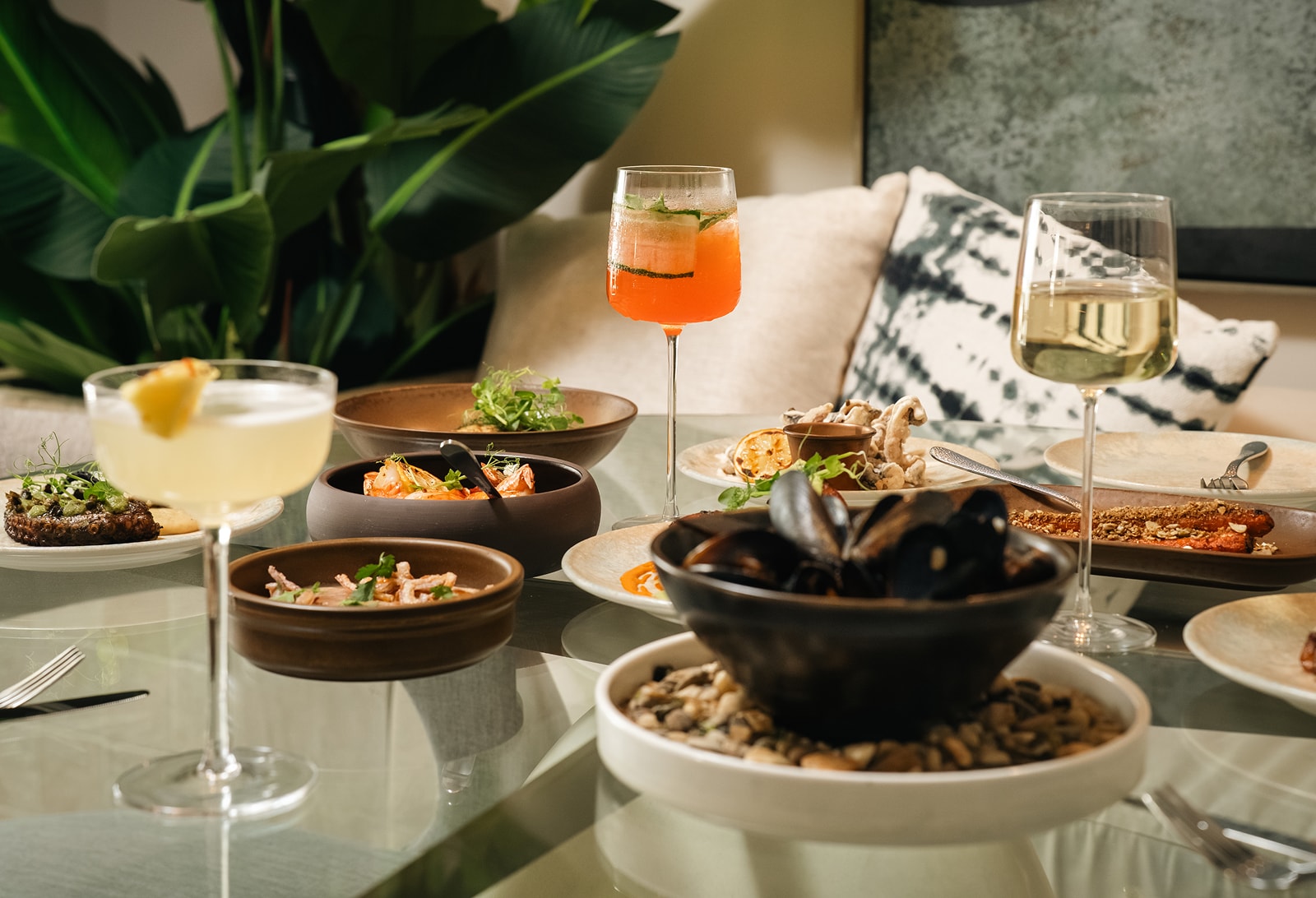
- Enhancing cocktails with fresh tropical flavors
- Creating vibrant garnishes that add color and aroma
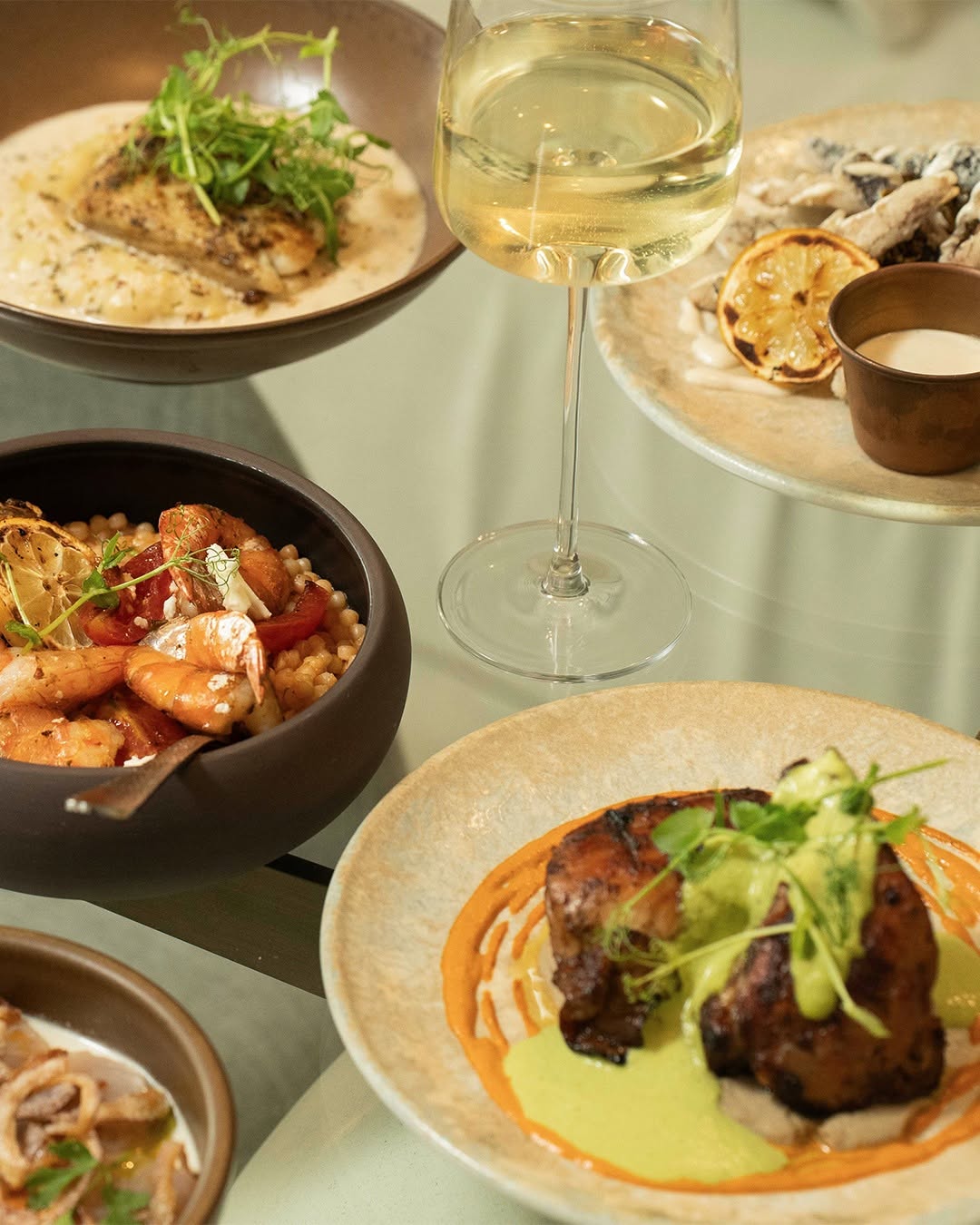
Dishes such as charred octopus demonstrate how tropical flavors can enhance contemporary cuisine. Bright citrus elements help balance smoky char while complementing the seafood's natural sweetness. Similarly, tahini eggplant benefits from acidic and fresh tropical accents that prevent rich flavors from becoming overwhelming.
Seafood risotto is another excellent example. The creamy richness of the risotto can be elevated through subtle tropical influences that add freshness and complexity while maintaining the dish's elegant character.
Examples of Tropical Ingredients in Contemporary Fine Dining
| Tropical Ingredient | Flavor Profile | How It Enhances Fine Dining Dishes |
| Citrus Fruits | Bright, acidic, refreshing | Balances rich seafood and sauces |
| Mango | Sweet, juicy, aromatic | Adds contrast to savory dishes |
| Passion Fruit | Tangy and intensely flavorful | Enhances sauces, desserts, and cocktails |
| Fresh Herbs | Aromatic and vibrant | Adds freshness and complexity |
| Island Spices | Warm and flavorful | Creates depth without excessive heaviness |
The growing popularity of tropical ingredients reflects a broader movement toward ingredient-driven cuisine. Diners increasingly appreciate menus that celebrate local flavors, seasonal produce, and distinctive regional influences.
By incorporating tropical ingredients into refined dishes, chefs can create memorable experiences that feel both globally inspired and deeply connected to their surroundings. These ingredients bring freshness, color, and balance to contemporary fine dining while helping restaurants establish a unique culinary identity.
If you would like to learn more about tropical ingredients and contemporary fine dining, contact us today. We are passionate about showcasing vibrant flavors, fresh local ingredients, and memorable dining experiences.
FAQ
- What are tropical ingredients?
Tropical ingredients include fruits, herbs, spices, and produce that grow in warm climates, such as mangoes, passion fruit, citrus, and island-grown herbs.
- Why are tropical ingredients popular in fine dining?
They provide natural sweetness, acidity, freshness, and visual appeal while helping chefs create balanced and distinctive dishes.
- How do tropical ingredients pair with seafood?
Their bright acidity and fresh flavors complement seafood by enhancing natural sweetness and balancing richness.
- Are tropical ingredients only used in desserts?
No. They are commonly used in appetizers, seafood dishes, sauces, cocktails, and savory entrées.
- How do tropical ingredients support modern dining trends?
They align with trends emphasizing local sourcing, seasonality, sustainability, and unique regional flavor profiles.