Food
June 8, 2026
Why Are Shared Plates Popular in Modern Fine Dining?
Discover why shared plates are popular in modern fine dining, from encouraging social dining and flavor exploration to creating relaxed, memorable guest experiences.
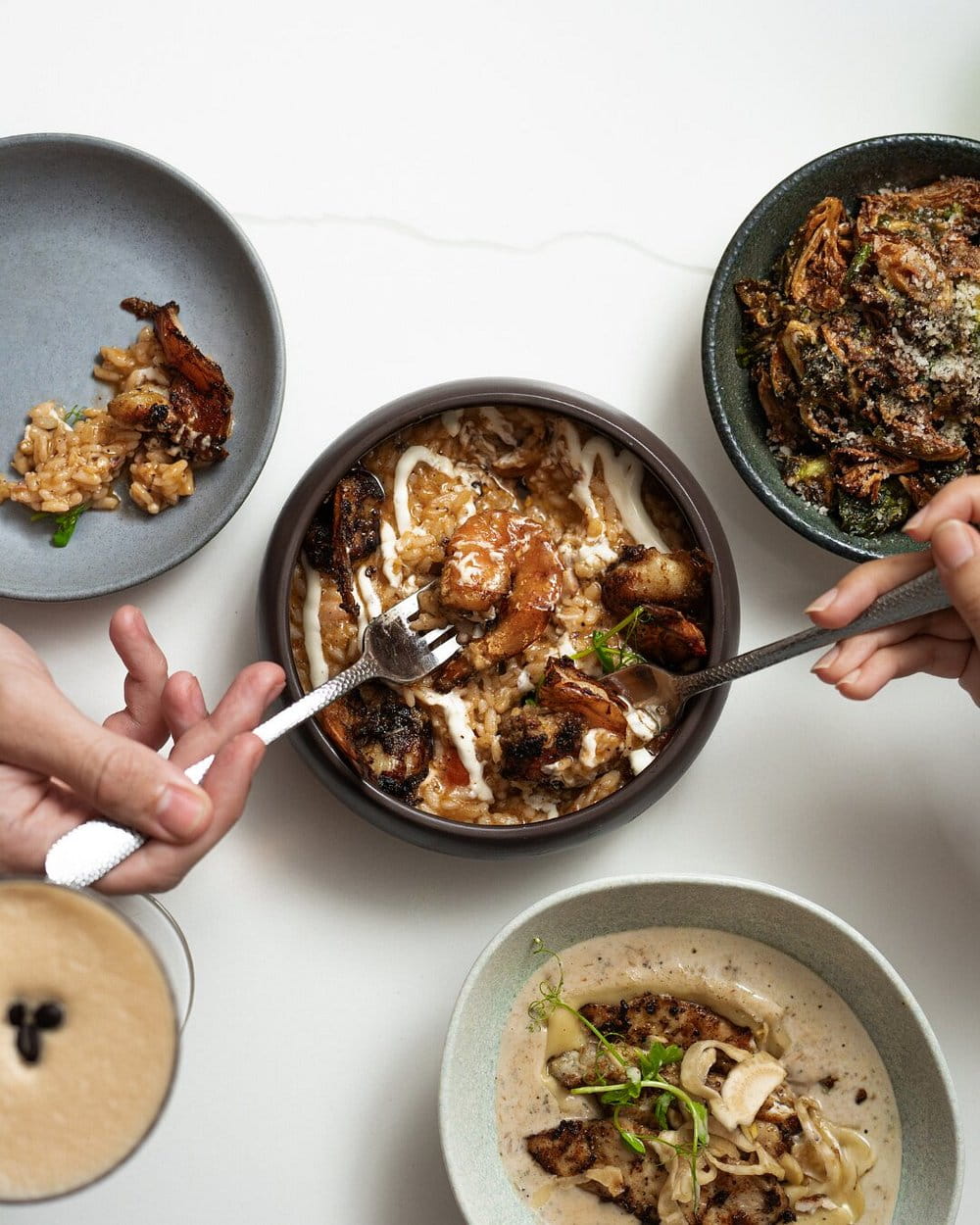
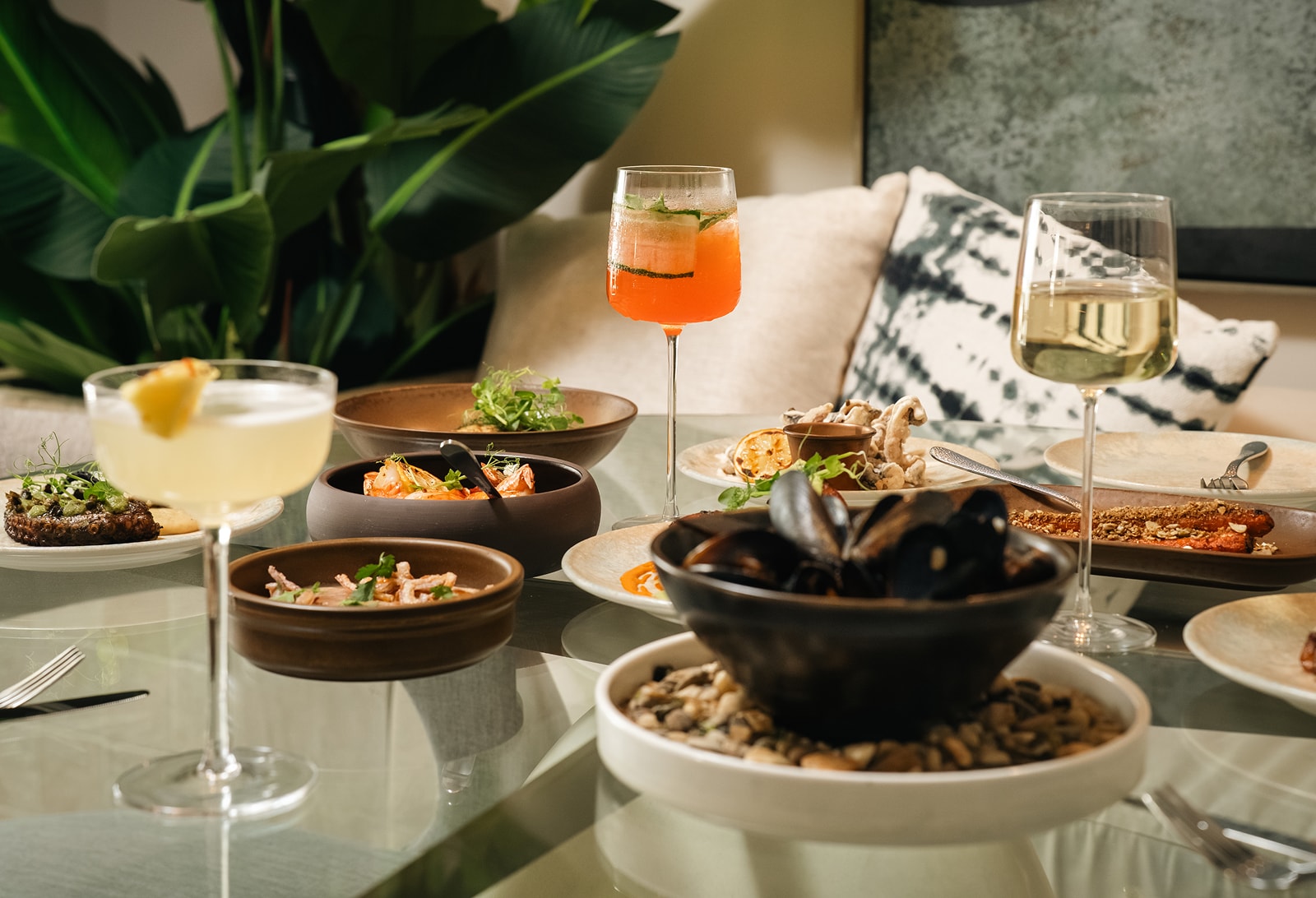
Shared plates are popular in modern fine dining because they encourage social interaction, allow guests to experience a wider variety of dishes, and create a more relaxed and engaging atmosphere. This style of dining aligns with contemporary hospitality trends that prioritize connection, flexibility, and exploration over rigid multi-course structures. By sharing plates, guests can sample different flavors, textures, and techniques while creating a communal dining experience. The result is a meal that feels interactive, memorable, and naturally suited to modern fine dining culture.
Modern fine dining has evolved from highly formal service into experiences that feel more welcoming and social. Shared plates reflect this shift by encouraging conversation, collaboration, and discovery at the table. Guests increasingly value experiences that feel relaxed while still offering refined cuisine and thoughtful presentation. This dining style combines sophistication with comfort, making fine dining more approachable and enjoyable.
Shared plates enhance the dining experience by encouraging interaction and allowing guests to enjoy a broader range of flavors. This format transforms meals into collaborative culinary experiences.
Instead of committing to a single entrée, guests can sample multiple dishes throughout the evening. This variety keeps the meal dynamic and engaging while allowing chefs to showcase different ingredients and techniques. Shared dining also naturally encourages conversation as guests discuss flavors, textures, and favorite dishes together.
The pacing of shared plates contributes to a more relaxed atmosphere. Courses arrive gradually, creating a steady rhythm that allows diners to linger and enjoy the experience without feeling rushed. This flexible structure aligns perfectly with contemporary fine dining hospitality.
Restaurants embrace shared plates because they support creativity, hospitality, and a more social style of dining. The format allows menus to feel more diverse and interactive.
Benefits of shared plate dining include:
This approach also reflects changing guest preferences. Many diners now value experience-driven dining over traditional formal structures. Shared plates create moments of connection that guests often remember long after the meal ends.
For chefs, the format encourages creativity and seasonality. Smaller dishes allow for experimentation with ingredients, textures, and presentations while maintaining balance across the menu.
Shared plates have become a defining feature of modern fine dining because they combine refinement with connection and flexibility. Guests enjoy the freedom to explore flavors while participating in a more communal experience.
This dining style also reflects the evolving nature of hospitality. Restaurants increasingly focus on creating memorable moments, encouraging guests to slow down, engage, and savor the experience together.
If you would like to learn more about modern fine dining experiences and shared plate concepts, contact us. We are passionate about creating memorable meals designed around flavor, hospitality, and connection.
1. What are shared plates in fine dining?
Shared plates are dishes designed for multiple guests to enjoy together rather than individually ordered entrées.
2. Why are shared plates becoming more popular?
They encourage social interaction, allow guests to sample more dishes, and create a relaxed dining atmosphere.
3. Are shared plates only for casual restaurants?
No, many modern fine dining restaurants use shared plates to create interactive and contemporary dining experiences.
4. How do shared plates affect meal pacing?
They allow for more gradual and flexible pacing, helping guests enjoy a longer, more relaxed meal.
5. Do chefs prefer creating shared plate menus?
Many chefs enjoy the format because it allows greater creativity and encourages guests to experience more of the menu.
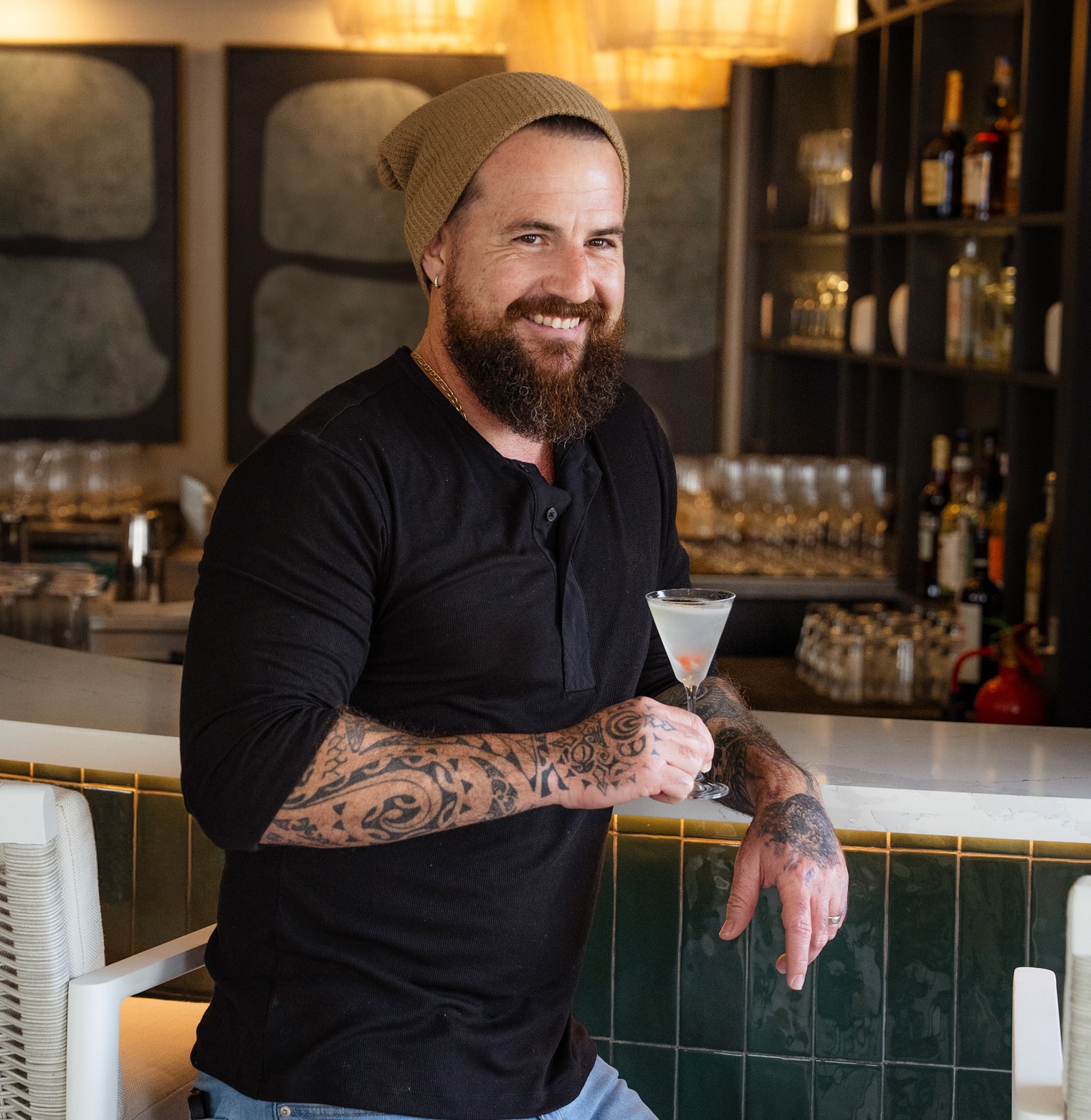
Adrienne Thorpe is a Marketing Coordinator for UVA Barbados, with a passion for the food and beverage industry and a focus on transforming guest experiences into unforgettable memories.