Food
May 24, 2026
What's the Role of Storytelling in Fine Dining Service?
Discover the role of storytelling in fine dining service and how it enhances guest connection, elevates dishes, and creates memorable, meaningful dining experiences.
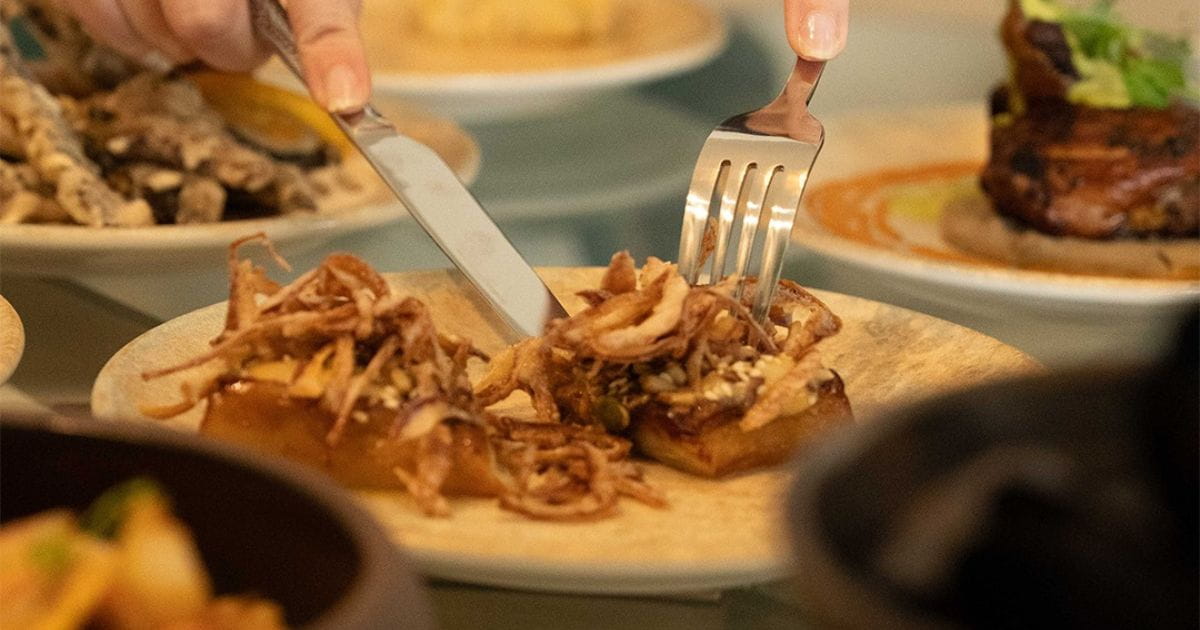
Storytelling in fine dining service enhances the guest experience by adding meaning, context, and emotional connection to each dish and interaction. When staff share the inspiration behind ingredients, cooking techniques, or cultural influences, guests engage more deeply with what they are eating. This narrative approach transforms a meal into a curated journey rather than a sequence of courses. Ultimately, storytelling elevates hospitality by making dining more memorable, immersive, and personal.
Fine dining is no longer just about what is served on the plate, but also about the story behind it. Guests increasingly value experiences that feel intentional and thoughtfully designed. Storytelling bridges the gap between chef, staff, and diner, creating a shared understanding of the meal. When done well, it adds depth and emotion to every course.
Storytelling enhances guest connection by helping diners understand the inspiration and meaning behind each dish. This creates a more engaging and memorable dining experience.
When servers share stories about ingredients, sourcing, or culinary heritage, guests become more emotionally invested in their meal. A dish is no longer just food it becomes a reflection of place, culture, and creativity. This connection encourages guests to slow down and appreciate each bite more fully. It also fosters curiosity and conversation at the table.
Storytelling also helps personalize the experience. Staff can tailor narratives based on guest interest, dietary preferences, or curiosity level, making the interaction feel natural rather than scripted.
Effective storytelling in fine dining service relies on clarity, authenticity, and timing to ensure guests remain engaged without feeling overwhelmed.
Key elements include:
These elements ensure storytelling enhances rather than distracts from the dining experience. The goal is to enrich understanding while maintaining elegance and flow. Guests should feel informed, not overwhelmed.
When storytelling is executed well, it becomes part of the rhythm of service. It complements the pacing of the meal and deepens appreciation for each course.
Storytelling transforms dining into an experience that engages both intellect and emotion. Guests leave with a deeper appreciation for the food and the people behind it.
When restaurants embrace storytelling, they create moments that linger long after the meal is finished. It becomes part of what makes the experience truly memorable.
If you would like to learn more about how storytelling enhances our fine dining service, contact us today. We craft dining experiences that engage, inspire, and connect.
1. What is storytelling in fine dining service?
It is the practice of sharing meaningful context about dishes, ingredients, and inspiration to enhance the guest experience.
2. Why is storytelling important in restaurants?
It adds emotional depth and helps guests connect more deeply with the food and dining experience.
3. Should every dish have a story?
Not necessarily, but key dishes or specials often benefit most from storytelling.
4. How do servers learn storytelling techniques?
Through menu training, chef briefings, tastings, and practice in natural guest interaction.
5. Can storytelling affect guest satisfaction?
Yes, it can significantly improve satisfaction by making the experience more engaging and memorable.

Adrienne Thorpe is a Marketing Coordinator for UVA Barbados, with a passion for the food and beverage industry and a focus on transforming guest experiences into unforgettable memories.