Food
January 18, 2026
What's the Layout of a Fine Dining Menu?
Learn how fine dining menus are structured, from course progression to tasting menus, and discover how their layout enhances balance, pacing, and the overall dining experience.
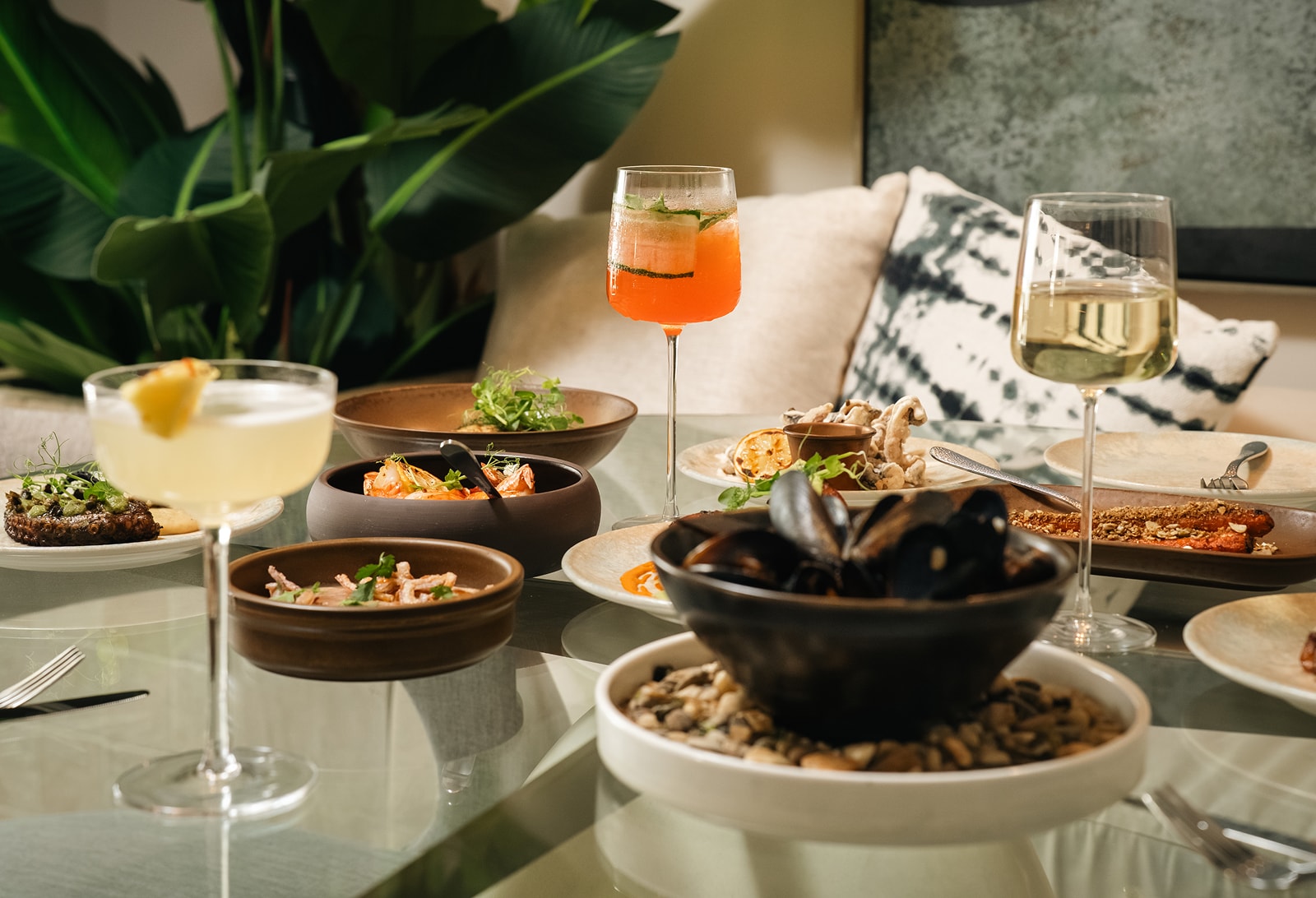
A fine dining menu is intentionally structured to guide guests through a balanced culinary journey, typically progressing from lighter dishes to richer courses while highlighting seasonality, technique, and flavor harmony. Rather than overwhelming diners with options, the layout emphasizes flow, pacing, and thoughtful choices that encourage exploration and trust in the kitchen. Understanding this structure helps guests order with confidence and fully enjoy the experience.
Fine dining menus often look different from casual restaurant menus, which can make them feel intimidating at first glance. In reality, their layout is designed to be intuitive and guest-friendly once you know what to look for. By understanding how these menus are organized, diners can better appreciate the rhythm and intention behind each course.
A fine dining menu is structured to take guests on a progression of flavors rather than present a long list of unrelated dishes. Courses are usually arranged from light to rich, allowing the palate to build gradually throughout the meal. This sequencing helps each dish shine without overpowering what comes before or after.
Most fine dining menus begin with small starters or raw preparations, followed by vegetable-focused dishes, seafood, meats, and finally desserts. This order reflects both culinary tradition and sensory balance, ensuring the meal feels cohesive and satisfying. Even when menus are brief, the layout still follows this intentional flow.
Rather than encouraging guests to order one item per person, fine dining menus often invite sharing or sampling multiple plates. This approach allows diners to experience more of the chef’s vision and appreciate the full range of flavors and techniques.
Fine dining menus use clear but often minimal labels to organize dishes into logical sections. These categories help guests understand where each dish fits within the overall meal and how to pace their ordering. While names may vary, the purpose behind each section is consistent.
Common fine dining menu sections include:
These categories aren’t rigid rules, but helpful guides. Servers often assist guests in selecting a combination of dishes that feels complete without being overwhelming.
Fine dining restaurants often offer both tasting menus and à la carte options, each with its own layout and purpose. Tasting menus present a fixed sequence of courses chosen by the chef, allowing guests to experience the menu exactly as intended. À la carte menus, on the other hand, give diners flexibility while still following a thoughtful structure.
The table below highlights the key differences between these two menu formats:
Both layouts reflect the same core philosophy: balance, pacing, and intentionality. The choice depends on how much guidance or freedom the guest prefers.
Ready to experience one of the best chef’s tasting menus in Barbados? Contact us today to learn more about UVA Restaurant and book your unforgettable dining experience.
1. Why are fine dining menus often short?
Short menus allow chefs to focus on quality, seasonality, and execution rather than offering too many options.
2. What does “tasting menu” mean?
A tasting menu is a chef-curated sequence of courses meant to showcase the restaurant’s style and strengths.
3. Is it okay to share dishes in fine dining?
Yes, many fine dining menus are designed with sharing in mind, especially when dishes are smaller and varied.
4. Why don’t menus always list detailed ingredients?
Menus often keep descriptions minimal to encourage conversation with the server and maintain an element of discovery.
5. How many dishes should I order?
This depends on portion size and menu style, but servers are happy to guide you toward a balanced selection.
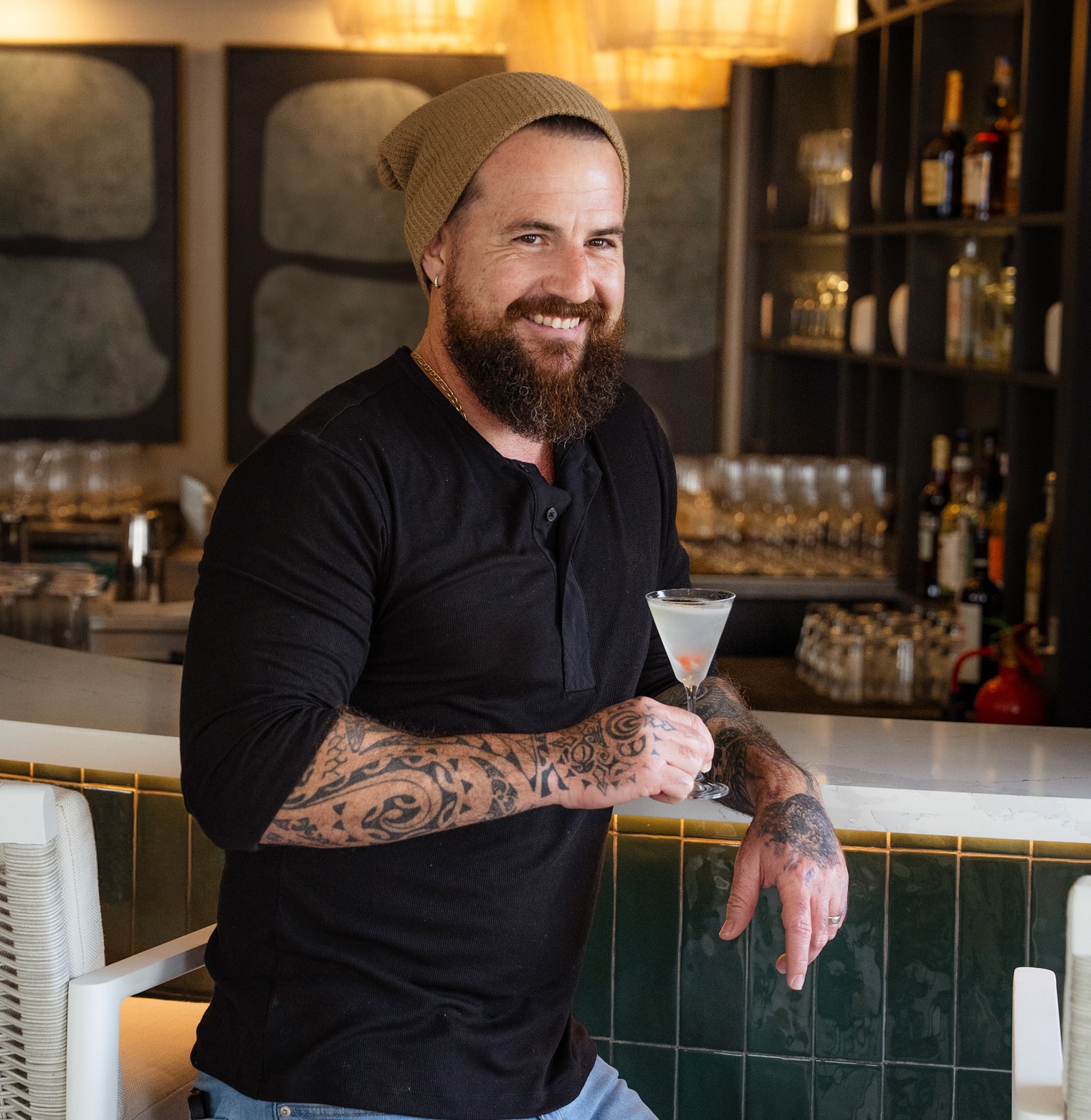
Adrienne Thorpe is a Marketing Coordinator for UVA Barbados, with a passion for the food and beverage industry and a focus on transforming guest experiences into unforgettable memories.