Summary
Mediterranean cuisine pairs exceptionally well with Caribbean ingredients because both culinary traditions emphasize fresh seafood, vibrant produce, aromatic herbs, and balanced flavors. Mediterranean cooking techniques such as grilling, roasting, and using olive oil complement the Caribbean's tropical fruits, citrus, spices, and locally sourced ingredients. Together, they create dishes that are bright, flavorful, and layered without feeling overly heavy. This natural compatibility allows chefs to craft refined dining experiences that celebrate both regions while highlighting freshness, balance, and creativity.
Mediterranean and Caribbean cuisines may come from different parts of the world, but they share many of the same culinary values. Both focus on fresh ingredients, bold flavors, and a connection to the sea. Their similarities make them ideal partners in contemporary fine dining, where chefs seek to balance sophistication with vibrant, approachable flavors. The result is a style of cuisine that feels both globally inspired and deeply rooted in local ingredients.
Shared Culinary Principles Create Natural Harmony
Mediterranean and Caribbean cuisines work well together because they are built on similar foundations of freshness, balance, and ingredient-driven cooking. Their shared philosophy allows flavors to complement rather than compete.
Mediterranean cuisine often features olive oil, citrus, herbs, seafood, and vegetables prepared with techniques that highlight natural flavors. Caribbean cuisine similarly celebrates fresh seafood, tropical fruits, aromatic spices, and locally grown produce. Both traditions prioritize ingredients at their peak, allowing quality and freshness to shine through.
This shared emphasis on balance makes fusion feel seamless. Rather than combining flavors for novelty alone, chefs can draw from both traditions to create dishes that feel cohesive and intentional. The result is cuisine that delivers complexity while remaining approachable and enjoyable.
How Chefs Blend Mediterranean and Caribbean Flavors
Chefs successfully blend Mediterranean and Caribbean influences by pairing familiar techniques with vibrant island ingredients. This creates dishes that are layered, fresh, and memorable.
Common flavor combinations include:
- Citrus-marinated seafood paired with Mediterranean herbs
- Tahini and roasted vegetables enhanced with tropical accents
- Charred seafood balanced by bright fruit and herb components
- Olive oil-based preparations featuring Caribbean spices
- Fresh seafood combined with Mediterranean grains and rice dishes
- Herb-forward sauces complemented by island-grown produce
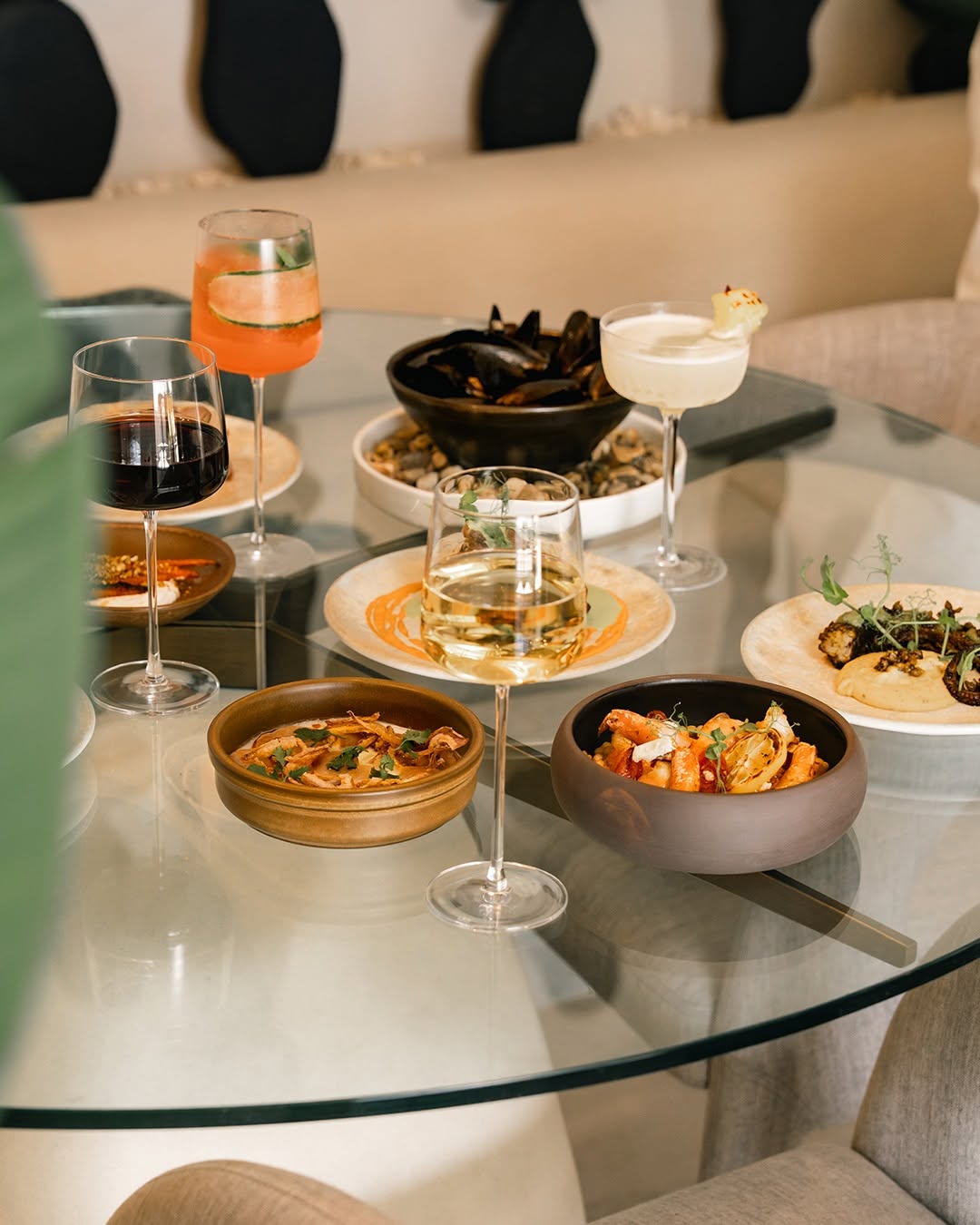
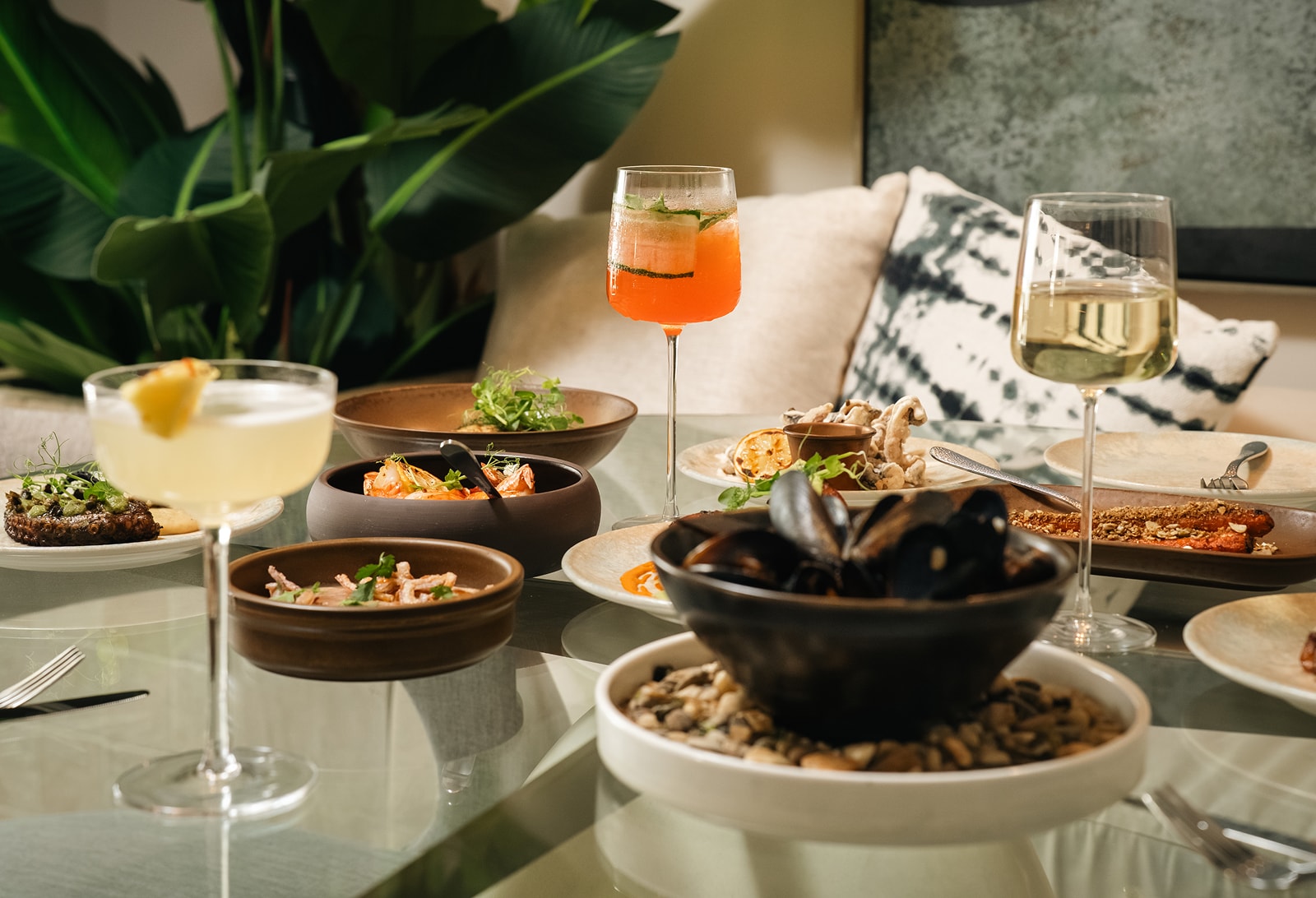
Dishes such as charred octopus demonstrate this balance beautifully. Mediterranean grilling techniques create smoky depth, while bright Caribbean-inspired flavors add freshness and contrast. Similarly, tahini eggplant combines a classic Mediterranean ingredient with vibrant flavors that enhance its richness.
Seafood risotto is another example of how these culinary traditions can work together. The creamy Mediterranean-style rice preparation provides richness, while fresh Caribbean seafood and bright seasonings add complexity and balance.
Examples of Mediterranean and Caribbean Flavor Pairings
| Menu Offering | Mediterranean Element | Caribbean Element | Why It Works |
| Charred Octopus | Grilling, olive oil, herbs | Bright citrus and tropical flavors | Balances smokiness with freshness |
| Tahini Eggplant | Tahini and roasted vegetables | Island-inspired seasoning and acidity | Creates depth and balance |
| Seafood Risotto | Creamy risotto technique | Fresh local seafood | Combines richness with freshness |
| Grilled Seafood Dishes | Mediterranean herb marinades | Caribbean spices and citrus | Adds complexity without overpowering seafood |
| Craft Cocktails | Herbal and citrus influences | Tropical fruits and island spirits | Creates refreshing, balanced flavors |
The success of Mediterranean-Caribbean cuisine comes from its ability to balance richness, freshness, and flavor. Each culinary tradition contributes strengths that enhance the other, creating dishes that feel sophisticated yet approachable.
This fusion also reflects the evolution of modern dining, where guests seek experiences that are globally inspired but deeply connected to local ingredients. By combining Mediterranean techniques with Caribbean flavors, chefs create memorable meals that celebrate the best of both worlds.
If you would like to learn more about Mediterranean-Caribbean cuisine and contemporary fine dining experiences, contact us. We are passionate about crafting a menu that showcases fresh ingredients, balanced flavors, and exceptional hospitality.
FAQ
1. Why do Mediterranean and Caribbean cuisines pair so well together?
Both cuisines emphasize fresh seafood, vibrant produce, citrus, herbs, and balanced flavors, making them naturally complementary.
2. What Mediterranean ingredients are commonly used in fusion cuisine?
Olive oil, tahini, garlic, lemon, fresh herbs, and roasted vegetables are frequently used.
3. What Caribbean ingredients work well with Mediterranean cooking?
Tropical fruits, fresh seafood, citrus, peppers, and island-grown herbs pair particularly well with Mediterranean techniques.
4. What is a Mediterranean-Caribbean fusion dish?
A fusion dish combines ingredients, techniques, or flavor profiles from both culinary traditions to create a balanced and unique dining experience.
5. Is fusion cuisine common in fine dining?
Yes. Many contemporary fine dining restaurants blend global influences while focusing on local ingredients and refined techniques.