Food
September 20, 2026
What Makes Dining Feel Relaxed Yet Luxurious?
Discover what makes dining feel relaxed yet luxurious, from thoughtful restaurant design and gracious service to refined cuisine, comfortable surroundings, and unhurried pacing.
.jpg)
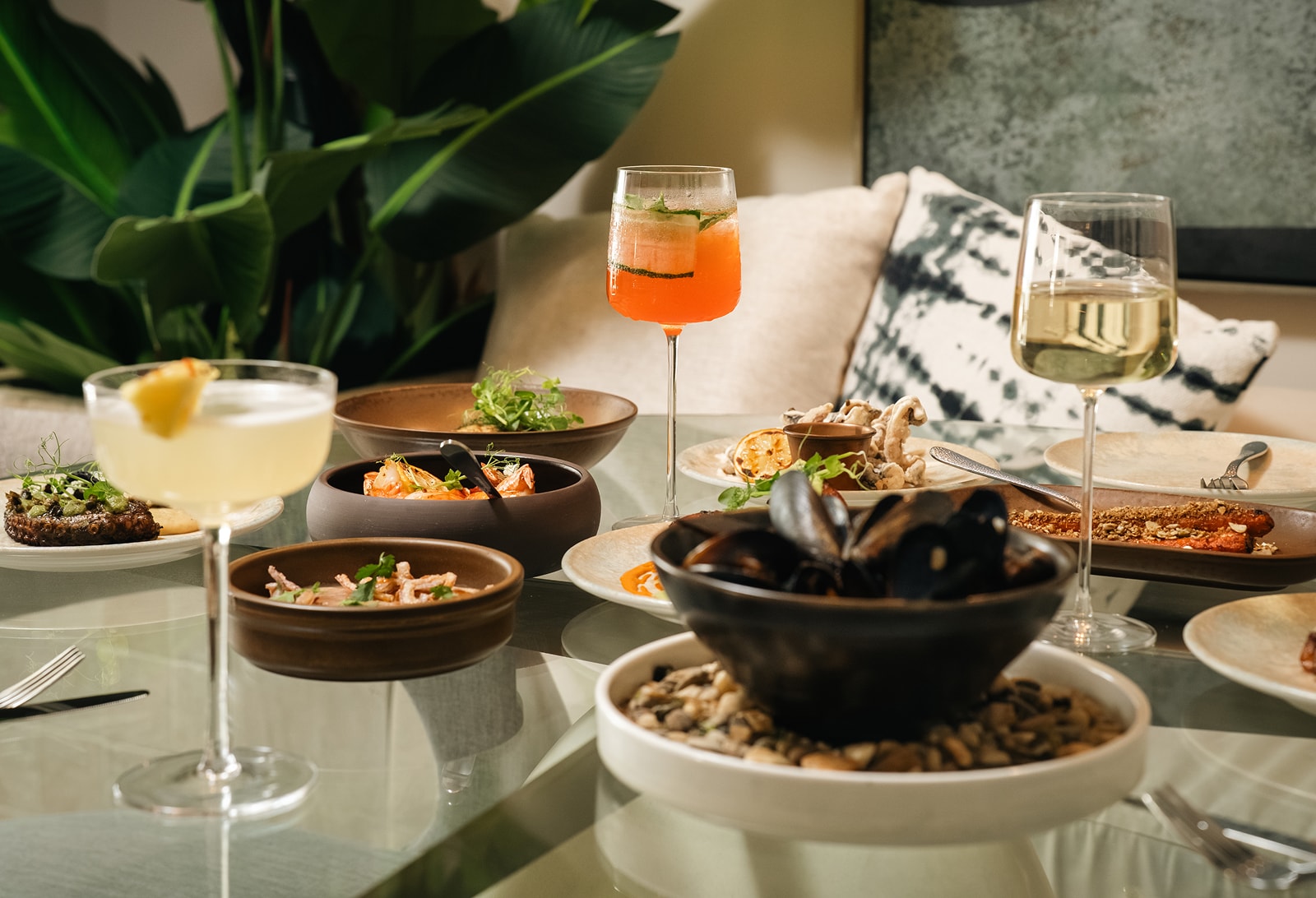
Dining feels relaxed yet luxurious when a restaurant combines high-quality food and service with an atmosphere that feels comfortable, welcoming, and unhurried. Rather than relying on formality or extravagance alone, contemporary luxury often comes from thoughtful details such as comfortable seating, warm lighting, gracious service, carefully prepared dishes, and an environment that allows guests to linger. The result is an experience that feels elevated without being intimidating, giving guests the opportunity to enjoy exceptional food while feeling completely at ease.
Luxury dining does not have to feel formal, stiff, or overly complicated. Some of the most memorable restaurant experiences combine refined cuisine and attentive hospitality with the relaxed feeling of being somewhere guests genuinely want to stay.
Comfort is an essential part of creating a luxurious dining experience because guests are more likely to appreciate their surroundings when they feel relaxed and welcome. Comfortable seating, appropriate lighting, pleasant acoustics, and a thoughtfully arranged dining room can make an immediate difference.
A luxurious restaurant does not necessarily need extravagant décor. Instead, quality materials, cohesive design, comfortable furnishings, and carefully considered details can create an atmosphere that feels sophisticated without appearing excessive.
The goal is to make the environment feel effortless. Guests should be able to settle into their seats, enjoy conversation, and focus on the food without feeling that they need to follow a rigid set of rules.
Exceptional service makes dining feel luxurious by anticipating guests' needs while allowing them to enjoy their time at the table. Staff who understand when to approach, when to offer guidance, and when to give guests space can create a seamless experience.
Key elements of relaxed luxury service include:
This balance requires well-trained staff who understand that hospitality is not simply about completing tasks. It is about reading the room and adapting service to the people sitting at the table.
Research on restaurant experiences has also found that service quality and the overall dining environment can influence customer satisfaction, reinforcing the importance of hospitality beyond the food itself.[1]
High-quality ingredients and careful culinary techniques provide another important layer of relaxed luxury. A dish can feel sophisticated without being overly complicated when every ingredient has a clear purpose.
Contemporary fine dining often emphasizes balance rather than excess. Fresh seafood, seasonal produce, bright acidity, carefully developed sauces, and contrasting textures can create depth while allowing the primary ingredients to remain recognizable.
This approach helps fine dining feel approachable. Guests can appreciate the skill involved in preparing the food without feeling as though they need specialized culinary knowledge to enjoy it.
A relaxed pace can transform dinner from a simple meal into a complete experience. When courses arrive thoughtfully rather than hurriedly, guests have time to appreciate flavors, conversation, drinks, and the atmosphere around them.
Restaurants can encourage this feeling through thoughtful pacing between courses and by providing spaces where guests can comfortably enjoy a drink before or after dinner. The transition between different parts of the experience can be just as important as the food itself.
A lounge area, for example, can provide a natural place for guests to begin their evening with a cocktail before moving into the dining room. This creates a sense of progression without making the experience feel rushed.
Relaxed luxury is often created through details that guests may not consciously notice. The temperature of the dining room, background music, table spacing, glassware, lighting, and timing of service can all contribute to how the restaurant feels.
Important details may include:
When these elements work together, the restaurant feels cohesive. Nothing needs to demand attention because every part of the environment is quietly supporting the guest experience.
Ultimately, relaxed luxury is less about extravagance and more about how a restaurant makes people feel. Guests should leave feeling cared for, satisfied, and genuinely pleased with the time they spent there.
A restaurant can achieve this by combining culinary precision with warmth. The food should be memorable, but so should the welcome, the service, the setting, and the feeling of being able to slow down for an evening.
That combination is what makes contemporary fine dining particularly appealing. It offers the quality and craftsmanship associated with luxury while maintaining an atmosphere that feels inviting rather than intimidating.
If you are looking for a dining experience that combines thoughtful cuisine, gracious hospitality, and a warm contemporary atmosphere, contact us to learn more. We look forward to welcoming you and giving you a reason to linger.

Adrienne Thorpe is a Marketing Coordinator for UVA Barbados, with a passion for the food and beverage industry and a focus on transforming guest experiences into unforgettable memories.