Food
August 30, 2026
What Makes a Great Seafood Dish Feel Refined Yet Comforting?
Discover what makes a great seafood dish feel refined yet comforting through fresh ingredients, thoughtful techniques, balanced flavors, and contrasting textures.
A great seafood dish feels refined yet comforting when it combines high-quality seafood with thoughtful technique, balanced flavors, and familiar elements presented with subtle sophistication. The best dishes preserve the natural character of the seafood while adding layers of acidity, richness, texture, and aroma. Techniques such as charring, slow cooking, roasting, and delicate sauce-making can elevate familiar ingredients without making them feel overly complicated. The result is a dish that feels special enough for fine dining while remaining inviting, satisfying, and easy to enjoy.
Seafood has a natural ability to bridge casual comfort and sophisticated dining because it can be prepared in remarkably diverse ways. A beautifully cooked piece of fish or shellfish can feel familiar while still providing a canvas for creative flavors and refined techniques.
Exceptional seafood dishes begin with high-quality ingredients that are handled carefully from preparation through presentation. Fresh seafood has distinctive flavors and textures that allow chefs to build complexity without overwhelming the main ingredient.
The cooking method is equally important because seafood can quickly become dry, tough, or overly soft when improperly prepared. Techniques such as gentle roasting, careful searing, grilling, and controlled poaching allow chefs to preserve moisture while developing additional flavor.
At the same time, comfort often comes from recognizing an ingredient or flavor profile. A familiar seafood preparation can feel reassuring, while an unexpected sauce, garnish, or cooking technique gives the dish a more sophisticated character.
Texture and flavor contrast help transform seafood from a simple entrée into a memorable fine dining experience. Rich, tender seafood can become more vibrant when paired with crisp, acidic, herbaceous, or lightly smoky components.
Chefs may use several techniques to create this contrast:
These combinations are particularly effective because seafood often has delicate natural flavors. Bright acidity can emphasize its freshness, while smoky or roasted notes can provide depth without masking the ingredient.
Contemporary chefs also use contrast to create a sense of progression within a dish. A guest might experience crispness first, followed by tenderness, creaminess, or a burst of acidity, making each bite slightly different from the last.
Refined seafood does not have to rely on unfamiliar ingredients or complicated presentations. Instead, chefs can elevate recognizable flavors through precision, balance, and careful attention to detail.
A seafood risotto, for example, combines the comforting qualities of creamy rice with the delicate flavors of seafood. When prepared with a carefully developed stock, properly cooked rice, fresh herbs, and a balanced finishing sauce, the dish can feel luxurious without losing its approachable character.
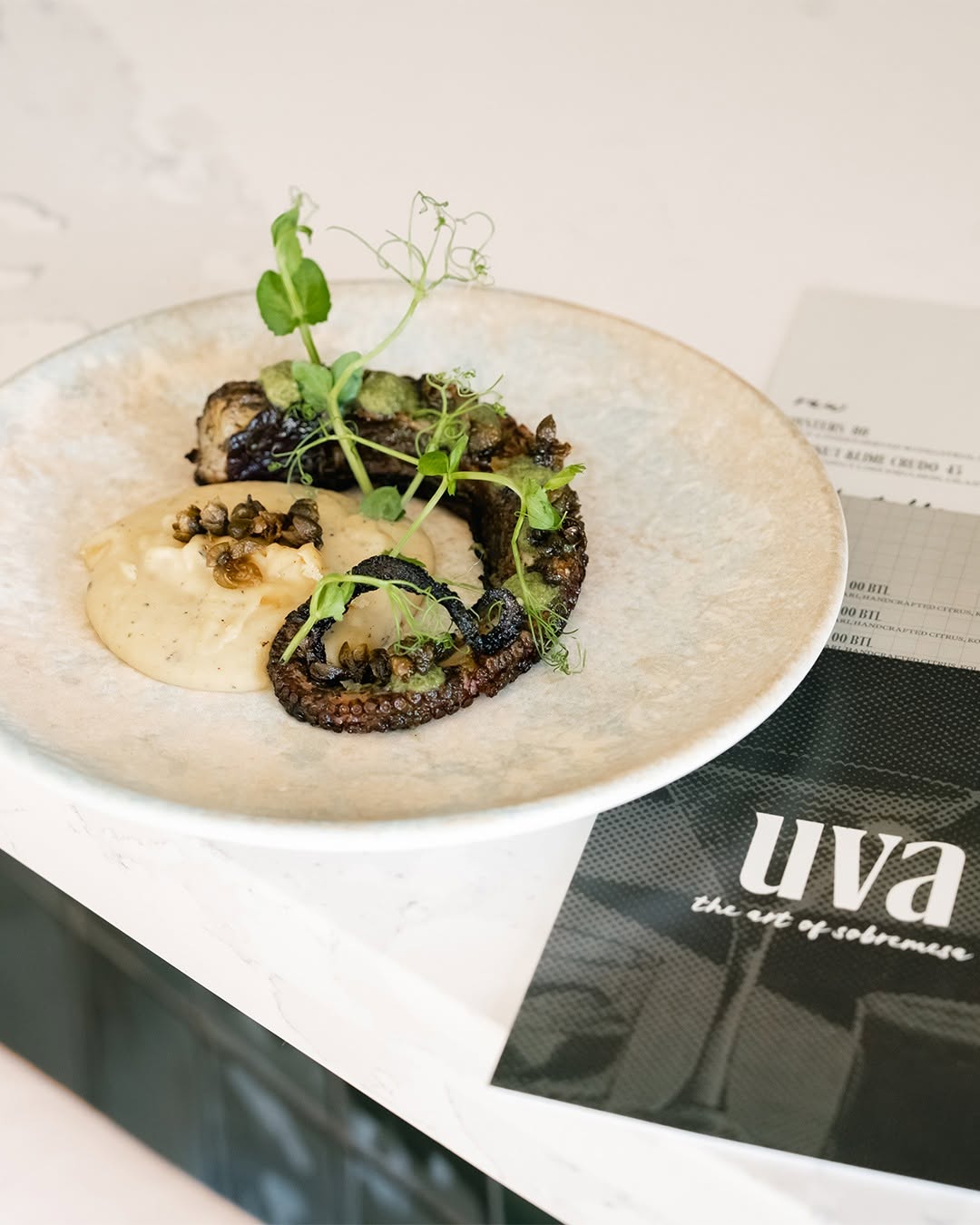
Similarly, charred seafood can connect the comforting familiarity of grilled food with the refinement of contemporary presentation. The combination of caramelized exterior, tender interior, bright accompaniments, and carefully considered garnishes creates a dish that feels both relaxed and elevated.
The difference between an ordinary seafood dish and an exceptional one often comes down to execution. Careful timing, temperature control, seasoning, and presentation allow chefs to turn simple ingredients into something memorable.
A refined dish should never feel complicated simply for the sake of appearing sophisticated. Instead, the techniques should serve the ingredients and make the flavors more expressive. When every component has a purpose, the finished plate feels cohesive rather than crowded.
This balance is what makes contemporary seafood so appealing. Guests can recognize the comfort of familiar ingredients while discovering new flavors, textures, and combinations that encourage them to slow down and appreciate the meal.
A successful seafood dish appeals to more than taste alone. Aroma, texture, appearance, temperature, and the balance between richness and freshness all influence how guests experience the food.
Key characteristics include:
These details demonstrate why fine dining is often about restraint as much as creativity. The goal is not necessarily to add more ingredients, but to understand how each element contributes to the overall experience.
If you would like to experience seafood that combines familiar comfort with contemporary culinary refinement, contact us to learn more. We look forward to sharing dishes that showcase fresh ingredients, thoughtful technique, and balanced flavors in a welcoming dining environment.

Adrienne Thorpe is a Marketing Coordinator for UVA Barbados, with a passion for the food and beverage industry and a focus on transforming guest experiences into unforgettable memories.