Summary
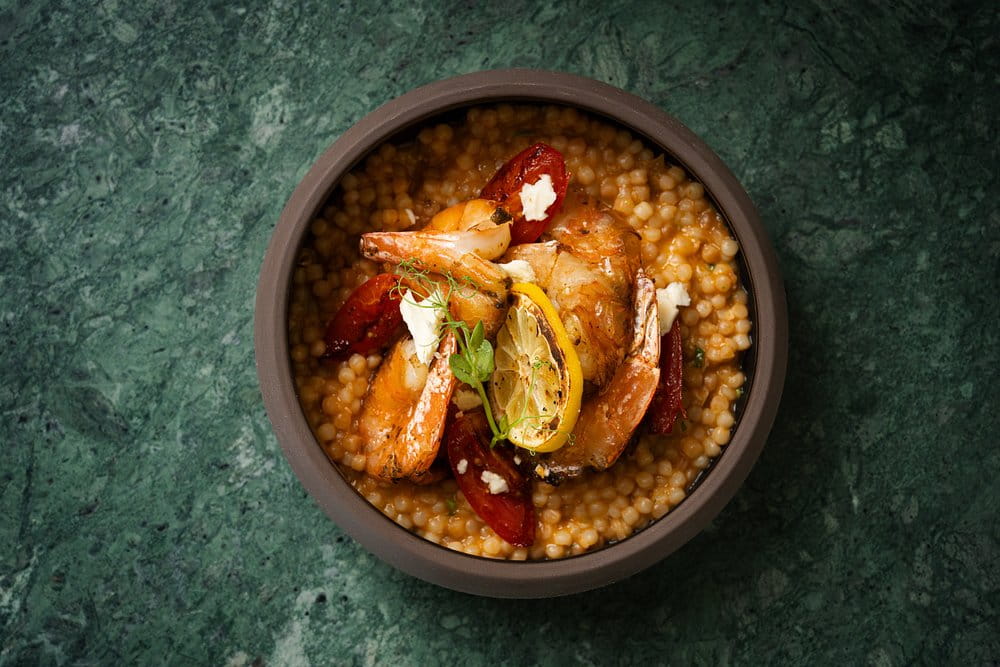
A well-balanced seafood risotto is created by carefully combining high-quality seafood, properly cooked arborio rice, and a flavorful yet restrained stock base to achieve harmony between richness, acidity, and texture. The dish relies on precise technique, including slow starch release, controlled liquid incorporation, and timing to ensure creaminess without heaviness. Fresh seafood must be added thoughtfully to preserve tenderness and natural flavor while complementing the risotto’s richness. When executed correctly, the result is a dish that feels luxurious, layered, and perfectly balanced.
Seafood risotto is one of the most refined expressions of comfort and technique in fine dining. It requires patience, precision, and a deep understanding of how flavors and textures interact. Each component plays a role in building depth without overwhelming the palate. When done well, it feels both indulgent and elegantly restrained.
The Foundation: Rice, Stock, and Technique
A well-balanced seafood risotto begins with the correct rice, a flavorful stock, and precise cooking technique. These foundational elements determine texture, structure, and overall harmony.
Arborio, Carnaroli, or Vialone Nano rice varieties are typically used because of their high starch content. This starch is essential for creating the signature creamy consistency without adding cream. The rice must be toasted gently before liquid is added, which enhances its nutty flavor and helps it maintain structure during cooking.
The stock is equally important, as it carries the underlying flavor of the dish. For seafood risotto, a light shellfish or fish stock is preferred to avoid overpowering delicate ingredients. The stock should be added gradually and kept warm to ensure even absorption and consistent texture.
Seafood Selection and Flavor Balance
Seafood risotto achieves balance through careful selection and timing of seafood additions. Each type of seafood contributes unique texture, flavor, and cooking requirements.
- Shrimp or prawns: Add sweetness and firm texture
- Scallops: Provide a delicate, buttery finish
- Mussels or clams: Introduce briny depth and natural broth
- Squid or calamari: Offer tender chew when cooked correctly
- White fish flakes: Add subtle richness without heaviness
Seafood should be added in stages based on cooking time to ensure each element is perfectly cooked. Overcooking can lead to toughness or loss of flavor, which disrupts balance. Timing is critical to preserve the integrity of each ingredient.
Flavor balance is also achieved through restraint. The natural sweetness and salinity of seafood should shine, supported but not masked by the risotto base. A touch of acidity, such as lemon zest or white wine, can brighten the dish and enhance complexity.
Building Creaminess and Achieving the Final Balance
| Element | Role in Risotto | Best Practice |
| Rice Starch | Creates natural creaminess | Stir consistently to release starch gradually |
| Stock | Builds depth of flavor | Add warm stock slowly, ladle by ladle |
| Butter & Olive Oil | Adds richness and sheen | Finish off heat for silky texture |
| Seafood Timing | Ensures perfect texture | Add delicate seafood last to prevent overcooking |
| Acidity | Balances richness | Use lemon juice or white wine sparingly |
The final stage of risotto preparation is about achieving harmony between creaminess, freshness, and structure. The dish should feel rich but not heavy, with each ingredient clearly defined.
When balance is achieved, seafood risotto becomes a refined expression of technique and flavor. Every bite should feel cohesive, elegant, and satisfying.
Contact us to learn more about the finest seafood dining experiences in Barbados. Our culinary team is passionate about crafting refined, flavor-forward dining experiences. Come experience our full menu!
FAQ
1. What makes seafood risotto different from regular risotto?
Seafood risotto uses seafood-based stock and incorporates delicate proteins like shrimp, scallops, and shellfish for a lighter, ocean-forward flavor profile.
2. Which rice is best for risotto?
Arborio, Carnaroli, and Vialone Nano are preferred due to their high starch content, which creates creaminess.
3. How do you prevent seafood from overcooking in risotto?
Seafood should be added near the end of cooking based on its required cooking time to maintain tenderness.
4. Why is stock important in risotto?
Stock provides the foundational flavor and is gradually absorbed by the rice to build depth and richness.
5. What creates the creamy texture in risotto without cream?
The natural starch released from the rice during slow cooking creates the signature creamy consistency.