Food
April 12, 2026
Is Pacing Essential in Fine Dining Meals?
Learn why pacing is essential in fine dining meals, how it enhances flavor, enjoyment, and social interaction, and the strategies restaurants use to create a well-timed dining experience.
Pacing is essential in fine dining meals because it ensures that each course is enjoyed fully and that the overall dining experience feels harmonious. Proper pacing allows guests to savor flavors, appreciate presentation, and engage in conversation without feeling rushed. It also helps the kitchen manage timing and service flow, maintaining quality and consistency throughout the meal. When pacing is carefully managed, the meal becomes a cohesive, enjoyable experience rather than just a sequence of dishes.
Fine dining is about more than exceptional ingredients and culinary techniques, it’s about timing and rhythm. The pace at which courses are served affects how guests perceive both the food and the service. Rushed meals can undermine even the most exquisite dishes, while overly slow service can create frustration. Understanding the importance of pacing helps diners fully enjoy the journey from appetizer to dessert.
Proper pacing enhances the guest experience by creating a natural rhythm that balances enjoyment and comfort. It allows diners to engage with each course and the overall ambiance.
Key benefits of pacing include:
By controlling pacing, restaurants provide a seamless experience that feels both elegant and relaxed. Guests leave satisfied, with each course having had its moment to shine. Pacing contributes to emotional engagement as well as sensory enjoyment.
It also reinforces the narrative of the meal, guiding diners through a curated culinary journey. Thoughtful timing enhances anticipation and heightens satisfaction with each subsequent course.
Fine dining kitchens and service teams work together to maintain optimal pacing for every table. Coordination ensures that courses arrive when ready and guests are neither rushed nor kept waiting.
This orchestration creates an effortless dining rhythm. Guests experience a well-timed meal without noticing the behind-the-scenes precision required.
Maintaining pacing also helps kitchens manage quality. By timing courses properly, chefs can deliver dishes at peak freshness and presentation, which is critical in fine dining.
Well-paced meals create harmony between kitchen and guests, enhancing satisfaction. Attention to timing elevates the entire experience, making dining feel considered, elegant, and pleasurable.
Contact us to learn more about UVA Restaurant and discover how our exceptional service elevates fine dining into an experience you’ll never forget.
1. What is meal pacing in fine dining?
Meal pacing refers to the timing and rhythm of serving courses to optimize enjoyment and comfort.
2. Why is pacing important for multi-course meals?
It ensures guests have time to savor each dish without feeling rushed or overwhelmed.
3. How do staff manage pacing?
Through communication with the kitchen, monitoring table dynamics, and adjusting course delivery to match guests’ pace.
4. Can poor pacing affect the dining experience?
Yes, rushed service can reduce enjoyment, limit appreciation of flavors, and make the meal feel stressful.
5. Does pacing benefit the kitchen as well?
Absolutely, proper pacing helps kitchens deliver dishes at peak quality while maintaining workflow efficiency.
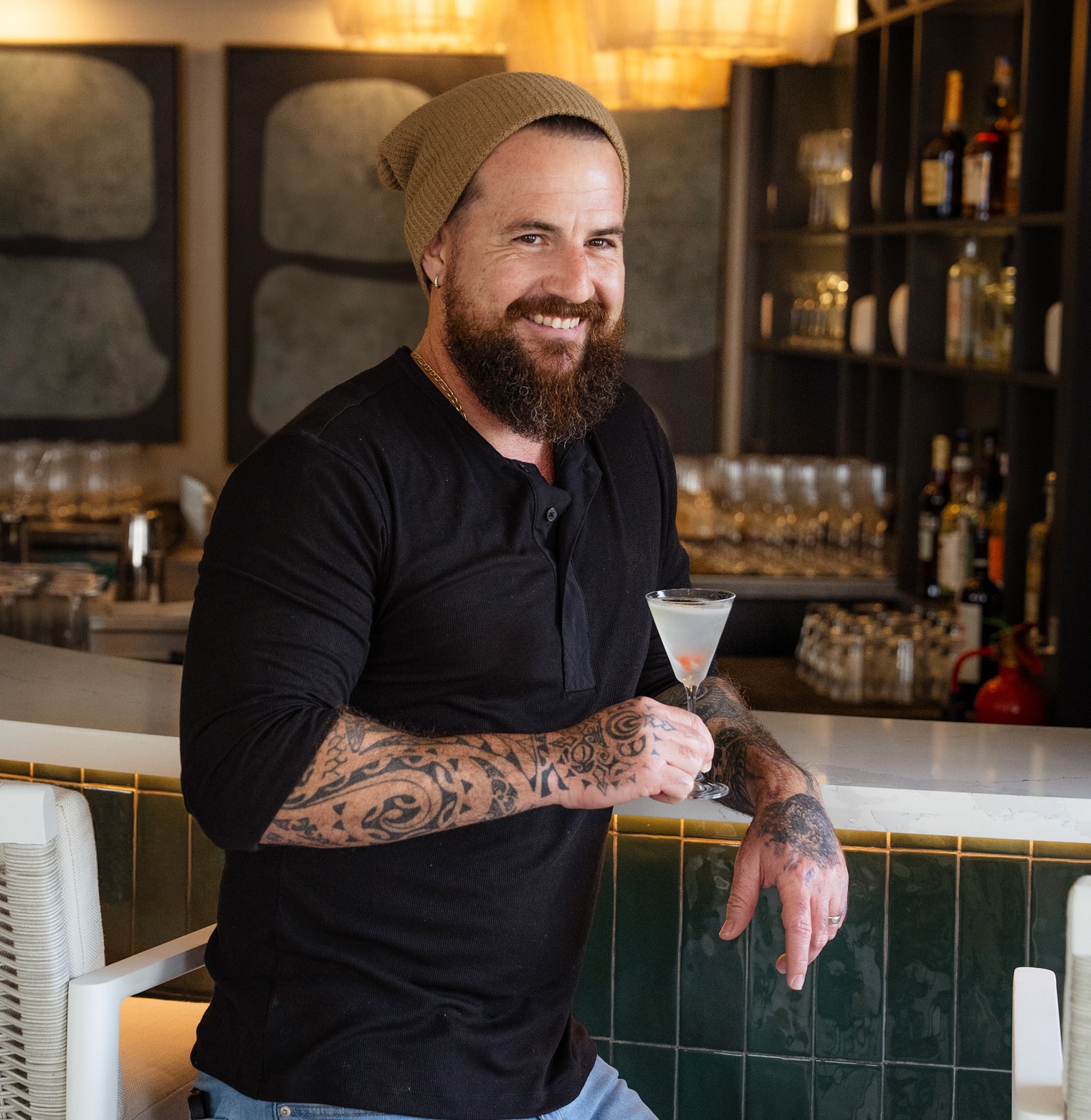
Adrienne Thorpe is a Marketing Coordinator for UVA Barbados, with a passion for the food and beverage industry and a focus on transforming guest experiences into unforgettable memories.