Food
February 1, 2026
How Thoughtful Design Shapes Guests Dining Journey
Explore how thoughtful restaurant design shapes a guest’s dining journey, from layout and lighting to sensory details that enhance comfort, flow, and overall experience.
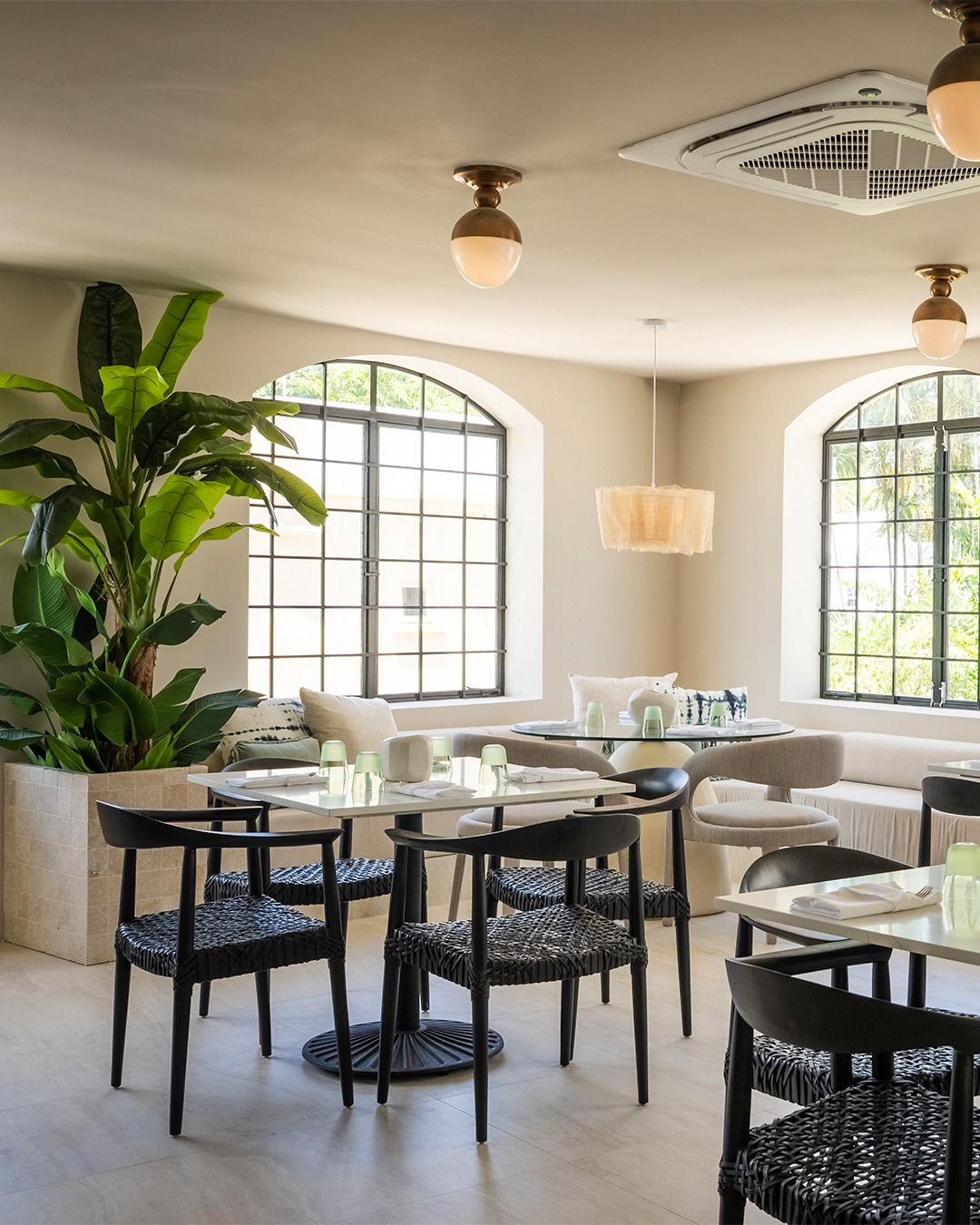
Thoughtful restaurant design plays a crucial role in shaping a guest’s dining journey by influencing comfort, mood, pacing, and perception from the moment they arrive. Elements such as layout, lighting, sound, and materials work together to support both the food and the service, creating a cohesive experience that feels intentional rather than accidental. When design is done well, it quietly enhances enjoyment and encourages guests to linger, relax, and return.
A dining experience begins long before the first dish reaches the table. From the entrance to the final moments of dessert, design subtly guides how guests feel, move, and interact within a space. In fine dining, thoughtful design is not about spectacle, but about creating harmony between environment, cuisine, and hospitality. Every detail contributes to a sense of ease and flow.
Thoughtful layout design helps guide guests naturally through each phase of their dining journey. From arrival and seating to dining and departure, spatial flow reduces confusion and creates a sense of calm. Clear pathways, intentional spacing, and intuitive transitions allow guests to focus on their experience rather than navigating the room.
A well-considered layout balances privacy with energy, ensuring guests feel both comfortable and connected to the space. Seating arrangements are planned to minimize noise overlap while maintaining a lively atmosphere. This balance helps conversations feel intimate without isolating diners from the restaurant’s ambiance.
Layout also supports service efficiency, allowing staff to move smoothly and unobtrusively. When design and service work together, guests experience seamless pacing and attentive hospitality without visible effort.
Sensory design elements directly influence how guests perceive a restaurant and how long they want to stay. Lighting, sound, textures, and temperature all play a role in setting expectations and enhancing comfort. These elements are carefully calibrated to support the dining experience rather than distract from it.
Key sensory components often include:
Together, these details create an environment that feels welcoming and refined without feeling formal or stiff.
Design serves as a visual and emotional extension of a restaurant’s philosophy. Colors, materials, and architectural details communicate the restaurant’s personality before a menu is even opened. When design aligns with cuisine and service style, the experience feels cohesive and authentic.
The table below illustrates how different design choices influence the guest journey:
When these elements work together, design quietly supports every moment of the meal, making the experience feel thoughtful rather than transactional.
If you’re interested in how design, service, and cuisine come together to shape memorable dining experiences, we invite you to contact us to learn more.
1. Why is restaurant design important beyond aesthetics?
Design affects comfort, pacing, acoustics, and overall guest satisfaction, not just visual appeal.
2. How does layout impact service quality?
Efficient layouts allow staff to move smoothly, resulting in better timing and less disruption for guests.
3. What role does lighting play in dining experiences?
Lighting sets mood, highlights food presentation, and influences how relaxed guests feel.
4. Can design influence how long guests stay?
Yes, comfortable seating, sound control, and inviting spaces encourage guests to linger.
5. How often should restaurant design be updated?
While core design should remain timeless, subtle updates can keep the space feeling fresh and relevant.

Adrienne Thorpe is a Marketing Coordinator for UVA Barbados, with a passion for the food and beverage industry and a focus on transforming guest experiences into unforgettable memories.