Food
July 19, 2026
How Does Open-Concept Dining Influence Guest Experience?
Learn how open-concept dining influences guest experience by creating connection, transparency, and engagement while enhancing the atmosphere and flow of modern restaurants.
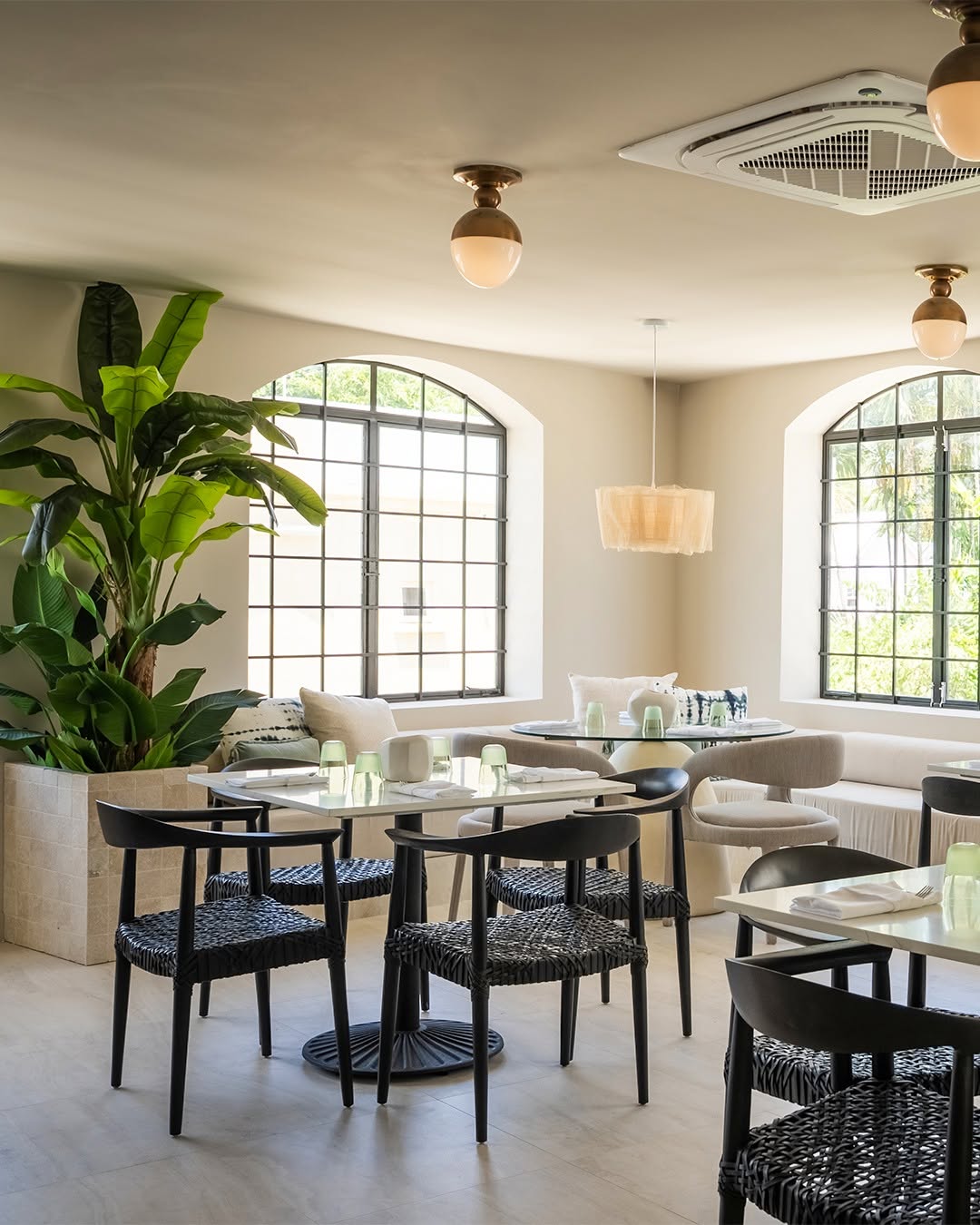
Open-concept dining influences guest experience by creating a greater sense of connection, energy, and transparency throughout the restaurant. By removing barriers between dining spaces, lounges, bars, and sometimes even kitchens, restaurants can foster a more engaging atmosphere where guests feel immersed in the experience. Open layouts encourage social interaction, showcase hospitality in action, and create a natural flow between different areas of the venue. As a result, guests often perceive the dining experience as more welcoming, dynamic, and memorable.
Modern dining experiences are increasingly designed around connection and engagement rather than formality alone. Open-concept layouts reflect this shift by allowing guests to feel more connected to the environment, staff, and overall rhythm of the restaurant. Rather than viewing dining as a series of isolated interactions, guests become part of a larger, shared experience. This approach helps create memorable moments that extend beyond the food itself.
Open-concept dining enhances guest engagement by making the restaurant feel more interactive and accessible. Guests can observe the movement of staff, the energy of the dining room, and the coordination that contributes to a seamless experience.
Transparency plays a significant role in guest perception. When diners can see portions of the culinary process or watch bartenders craft drinks, they gain a deeper appreciation for the skill and effort behind each element of the meal. This visibility creates a sense of authenticity that many guests find appealing.
The open environment also encourages guests to feel more connected to the restaurant's atmosphere. Instead of being isolated in separate rooms, diners become part of the collective energy of the space. This connection often enhances enjoyment and contributes to a more memorable visit.
Open-concept dining aligns with modern hospitality trends because it prioritizes comfort, interaction, and flexibility. The design encourages natural movement and creates opportunities for meaningful guest experiences.
Benefits of open-concept dining include:
These advantages help create a dining environment that feels approachable without sacrificing sophistication. Guests can engage with the space in a way that feels natural and comfortable.
The flexibility of open layouts also supports a variety of dining occasions. Whether guests are enjoying cocktails in a lounge area, celebrating a special event, or sharing a leisurely meal, the design accommodates different experiences while maintaining a cohesive atmosphere.
Open-concept dining differs from traditional restaurant layouts by emphasizing visibility, interaction, and flow. These differences can significantly influence how guests experience a meal.
The popularity of open-concept dining reflects a broader shift toward experience-driven hospitality. Guests increasingly seek environments that feel vibrant, transparent, and welcoming rather than overly formal.
By creating a stronger connection between guests, staff, and the overall atmosphere, open-concept dining helps transform a meal into a more immersive experience. It demonstrates how thoughtful design can influence enjoyment just as much as cuisine and service.
We are passionate about creating dining environments that combine exceptional hospitality, inviting atmosphere, and memorable culinary experiences. Contact us to learn more.
Open-concept dining is a restaurant design approach that minimizes barriers between dining, lounge, bar, and service areas to create a more connected guest experience.
Restaurants use open layouts to enhance guest engagement, improve flow, and create a more welcoming and interactive atmosphere.
Yes. Many contemporary fine dining restaurants use open-concept elements to create a more approachable and immersive experience.
Guests often perceive open-concept restaurants as more transparent, energetic, and engaging because they can see more of the dining experience in action.
Absolutely. Thoughtful lighting, seating arrangements, and acoustics can create intimacy while maintaining the benefits of an open design.

Adrienne Thorpe is a Marketing Coordinator for UVA Barbados, with a passion for the food and beverage industry and a focus on transforming guest experiences into unforgettable memories.