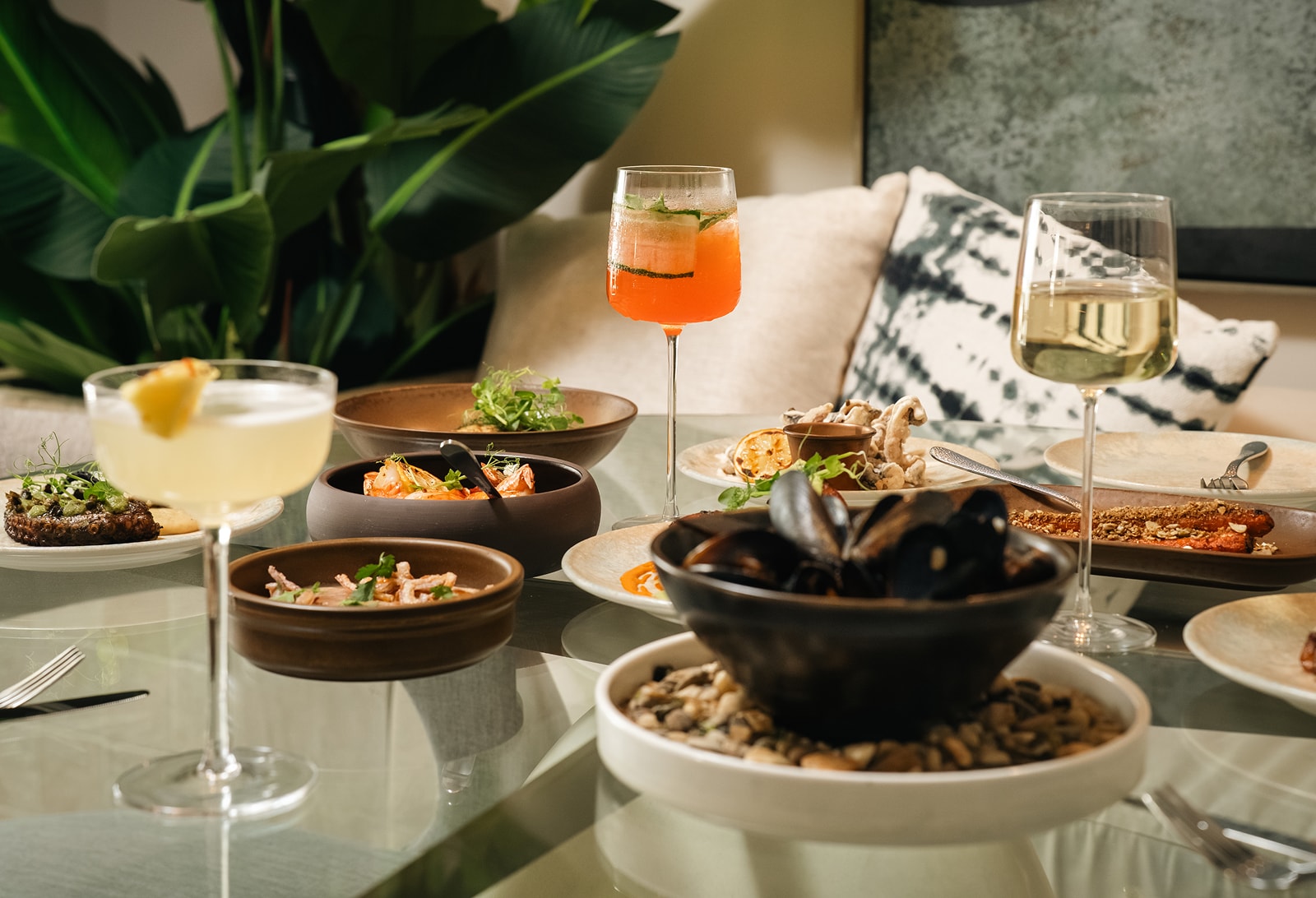
Food
September 13, 2026
How Does Music Influence the Mood of a Restaurant?
Discover how music influences restaurant mood, dining pace, and guest experience, and learn why tempo, volume, genre, and thoughtful music selection matter.
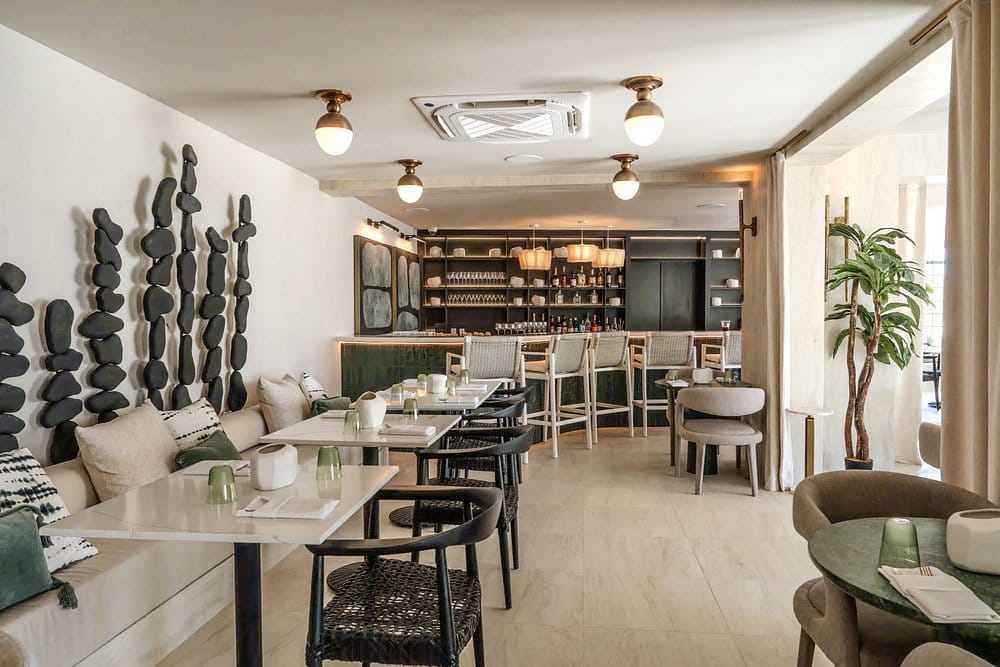
Music influences the mood of a restaurant by shaping the atmosphere, affecting emotional responses, and helping establish the pace and character of the dining experience. The tempo, volume, genre, and overall fit of the music can make a space feel relaxed, energetic, intimate, sophisticated, or social. Recent research has found that music tempo can influence eating behavior and meal duration, while music that guests enjoy can contribute to more positive emotional responses toward food.[1][2] When thoughtfully selected, music becomes an important part of the restaurant experience rather than simply background noise.
Music may not be the first thing guests notice when they enter a restaurant, but it can have a significant effect on how the space feels. From the first drink in the lounge to the final course at the table, the right soundtrack can help establish an atmosphere that complements the food, service, and design.
Music helps establish a restaurant's atmosphere by creating an emotional tone that can influence how guests perceive the space. A carefully selected soundtrack can make a dining room feel intimate and relaxed, contemporary and energetic, or elegant and sophisticated.
The relationship between music and the surrounding environment is particularly important in fine dining. A restaurant with warm lighting, thoughtful design, attentive service, and carefully prepared food may feel disconnected if the music creates an entirely different mood. When the sound complements the physical environment, the experience can feel more cohesive.
Music can also contribute to a restaurant's identity. A Caribbean-inspired restaurant, for example, might use sounds that subtly reflect the region's culture without turning the dining room into a themed environment. The goal is to reinforce the personality of the restaurant while allowing conversation and cuisine to remain central.
Music tempo can influence the pace of a dining experience, with recent research finding that slower music can encourage longer eating times and a calmer emotional state.[1] This makes tempo an especially useful consideration for restaurants where the goal is to encourage guests to relax and linger.
Fast-tempo music can create a more energetic atmosphere, making it appropriate for lively social spaces or particularly busy periods. Slower selections, on the other hand, can support an unhurried experience where guests have time to enjoy multiple courses, conversation, and drinks.
Restaurants can use tempo strategically without making the music feel obvious. The ideal soundtrack should support the natural rhythm of the meal rather than dictate it.
Music can enhance the dining experience when its style and volume complement the restaurant's food, service, and atmosphere. Research published in Food Research International in 2024 found that liked music was associated with more positive emotions and greater pleasantness toward food, while disliked music had the opposite effect.[2]
This highlights why music selection should involve more than simply choosing songs that sound good individually. The music should make sense within the context of the restaurant and the experience it wants guests to have.
For fine dining, subtlety is often particularly valuable. Music should create atmosphere without becoming a distraction, allowing guests to appreciate the food, interact with their companions, and engage naturally with the service team.
Music volume is just as important as musical style because guests need to be able to enjoy the soundtrack without struggling to communicate. In a restaurant designed around conversation and leisurely dining, excessive volume can undermine the sense of comfort the space is trying to create.
Thoughtful sound design considers the entire restaurant rather than simply the volume coming from the speakers. Dining room size, table arrangement, ceiling height, materials, occupancy, and ambient noise can all affect how music is experienced.
A successful restaurant therefore treats music as one part of a larger soundscape. The objective is to create an environment where guests hear enough music to feel its influence while still experiencing the room as comfortable and inviting.
Restaurants can adjust their musical approach throughout the day to reflect changes in guest expectations and restaurant activity. A soundtrack that works well during a relaxed afternoon may not create the same feeling during an energetic evening service.
Music can help distinguish different areas of a restaurant as well. A lounge may support a more expressive or atmospheric selection, while the main dining room may benefit from something more understated.
This flexibility allows music to become part of the restaurant's pacing. It can welcome guests, establish the mood for dinner, support conversation, and help create a sense that the experience has been thoughtfully designed from beginning to end.
Restaurants can use music effectively by selecting sounds that support their culinary concept and guest experience rather than treating music as an afterthought.
The best restaurant music often goes unnoticed as a separate element because it feels naturally integrated into the experience. Guests may not consciously identify why the room feels comfortable or inviting, but the soundscape can be part of what makes the experience memorable.
If you'd like to experience how thoughtful atmosphere, gracious service, and carefully considered dining details come together, contact us to learn more. We look forward to welcoming you and creating an experience where every element of the evening works together.

Adrienne Thorpe is a Marketing Coordinator for UVA Barbados, with a passion for the food and beverage industry and a focus on transforming guest experiences into unforgettable memories.