Summary
Restaurants turn dinner into a social experience by creating welcoming spaces, offering menus that encourage sharing, and providing attentive service that helps guests connect over food. From thoughtfully designed seating and communal plates to well-paced courses and complementary beverages, every detail can encourage conversation and make dining feel like an occasion rather than simply a meal. In Caribbean-inspired dining, these elements can be especially meaningful because food, hospitality, and gathering together often play an important role in the dining experience.
Dinner can be much more than sitting down to eat; it can be an opportunity to catch up with friends, celebrate special occasions, and discover new flavors together. Restaurants create these moments by combining inviting atmospheres, engaging menus, and thoughtful hospitality that allows guests to relax and enjoy one another's company.
How Does Restaurant Atmosphere Encourage Conversation?
A welcoming restaurant atmosphere encourages conversation by helping guests feel comfortable, relaxed, and connected to the people around them. Lighting, music, seating arrangements, and the overall layout all influence how people experience a meal and interact with their companions.
For example, warm lighting and comfortable seating can create an intimate setting for a date or a long conversation with friends. Background music can contribute energy without overpowering conversation, while a thoughtfully arranged dining room can give guests a sense of connection without making them feel crowded.
The atmosphere should also reflect the restaurant's personality. A lively dining room can make a group celebration feel energetic, while a more intimate setting may suit a leisurely dinner. The most successful environments support the occasion without distracting from the food or the people sharing it.
- Comfortable seating makes it easier for guests to settle in and enjoy their meal.
- Balanced lighting creates a welcoming mood without making menus difficult to read.
- Appropriate music levels add atmosphere while allowing conversation.
- Thoughtful table spacing helps guests feel comfortable and respected.
- An inviting dining room encourages people to stay and enjoy the experience.
How Do Shared Plates Make Dinner More Interactive?
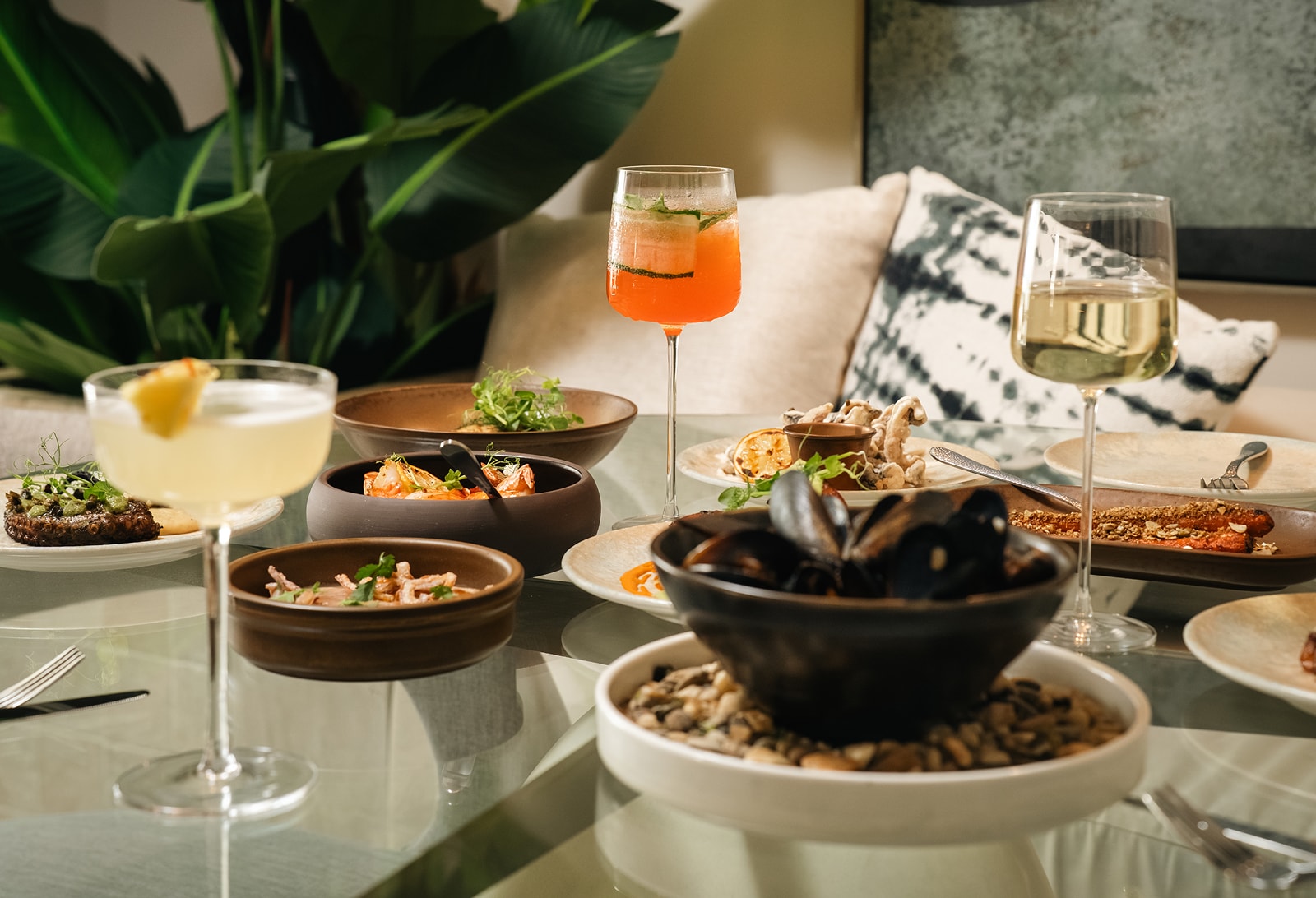
Shared plates turn dinner into a social experience by encouraging guests to taste, discuss, and discover dishes together. Instead of everyone focusing exclusively on an individual entrée, a table of shared dishes creates opportunities for recommendations, comparisons, and spontaneous conversation throughout the meal.
This approach works particularly well with Caribbean-inspired cuisine, where vibrant spices, fresh seafood, tropical ingredients, and contrasting textures give guests plenty to explore. Sharing several dishes can introduce diners to flavors they might not have selected on their own, making the meal feel more collaborative and adventurous.
Research published in the International Journal of Hospitality Management in 2024 examined social interactions around restaurant dining and highlighted the importance of understanding how people experience eating together, rather than treating shared dining as simply the act of consuming food at the same table.[1]
A restaurant can encourage this interactive style through:
- Small plates that let guests sample different dishes.
- Tasting menus that guide diners through a range of flavors.
- Family-style servings that invite everyone to participate.
- Thoughtful recommendations that help groups choose complementary dishes.
- Desserts for the table that create a shared finish to the meal.
How Does Attentive Service Help Create Memorable Dining Experiences?
Attentive restaurant service makes dinner more social by helping guests feel comfortable, supported, and free to enjoy their time together. Knowledgeable staff can explain menu options, recommend pairings, coordinate shared dishes, and recognize when guests need assistance without interrupting the natural flow of conversation.
Pacing is particularly important when dinner is intended to be an experience rather than a quick meal. Allowing enough time between courses gives guests opportunities to talk and enjoy each dish, while responsive service ensures that the evening continues smoothly without feeling rushed or unnecessarily slow.
| Service Element |
Contribution to the Social Experience |
| Menu guidance |
Helps guests discover dishes they can enjoy together. |
| Course pacing |
Creates time for conversation between dishes. |
| Beverage recommendations |
Adds another layer of discovery to the meal. |
| Attentive but discreet service |
Supports guests without interrupting conversation. |
| Personalized hospitality |
Makes the occasion feel welcoming and memorable. |
A 2024 study in the International Journal of Hospitality Management explored the social aspects of eating together in restaurant settings, emphasizing that dining interactions can be more complex than simply sharing physical space.[2] For restaurants, this reinforces the value of considering how service, atmosphere, and guest preferences work together to shape the experience.
Restaurants turn dinner into a social experience when the atmosphere, menu, and service all encourage guests to connect. By making room for conversation, shared discovery, and genuine hospitality, they create occasions that guests remember for more than the food alone.
Contact us to learn more about our menu and discover how Caribbean-inspired flavors, thoughtful beverage pairings, and welcoming hospitality come together in our dining experience.
FAQ
1. What makes a restaurant dinner a social experience?
A social dining experience combines good food with opportunities for conversation, sharing, discovery, and connection. Atmosphere, menu design, and attentive service all contribute.
2. Why are shared plates popular in restaurants?
Shared plates let guests sample different dishes, exchange recommendations, and enjoy a more interactive meal together.
3. What is communal dining?
Communal dining refers to eating together in a way that encourages interaction, often through shared dishes, family-style servings, or communal seating.
4. How does restaurant atmosphere affect conversation?
Lighting, music, seating, and table spacing influence how comfortable guests feel and how easily they can communicate with one another.
5. Why is service important for a memorable dining experience?
Attentive service helps guests feel welcome and allows the meal to flow naturally, giving them more freedom to focus on the food and their companions.
Citations
- “Commensality research in commercial hospitality: A systematic review,” International Journal of Hospitality Management, Elsevier, Accessed October 25, 2026, https://doi.org/10.1016/j.ijhm.2023.103663.
- “‘Commensal scenes’: Problematizing presence in restaurants in the digital age,” International Journal of Hospitality Management, Elsevier, Accessed October 25, 2026, https://doi.org/10.1016/j.ijhm.2024.103794.