Food
October 11, 2026
How Do Restaurants Build Menus That Encourage Sharing?
Discover how restaurants design menus that encourage sharing through thoughtful portions, complementary flavors, variety, and dishes that bring guests together.

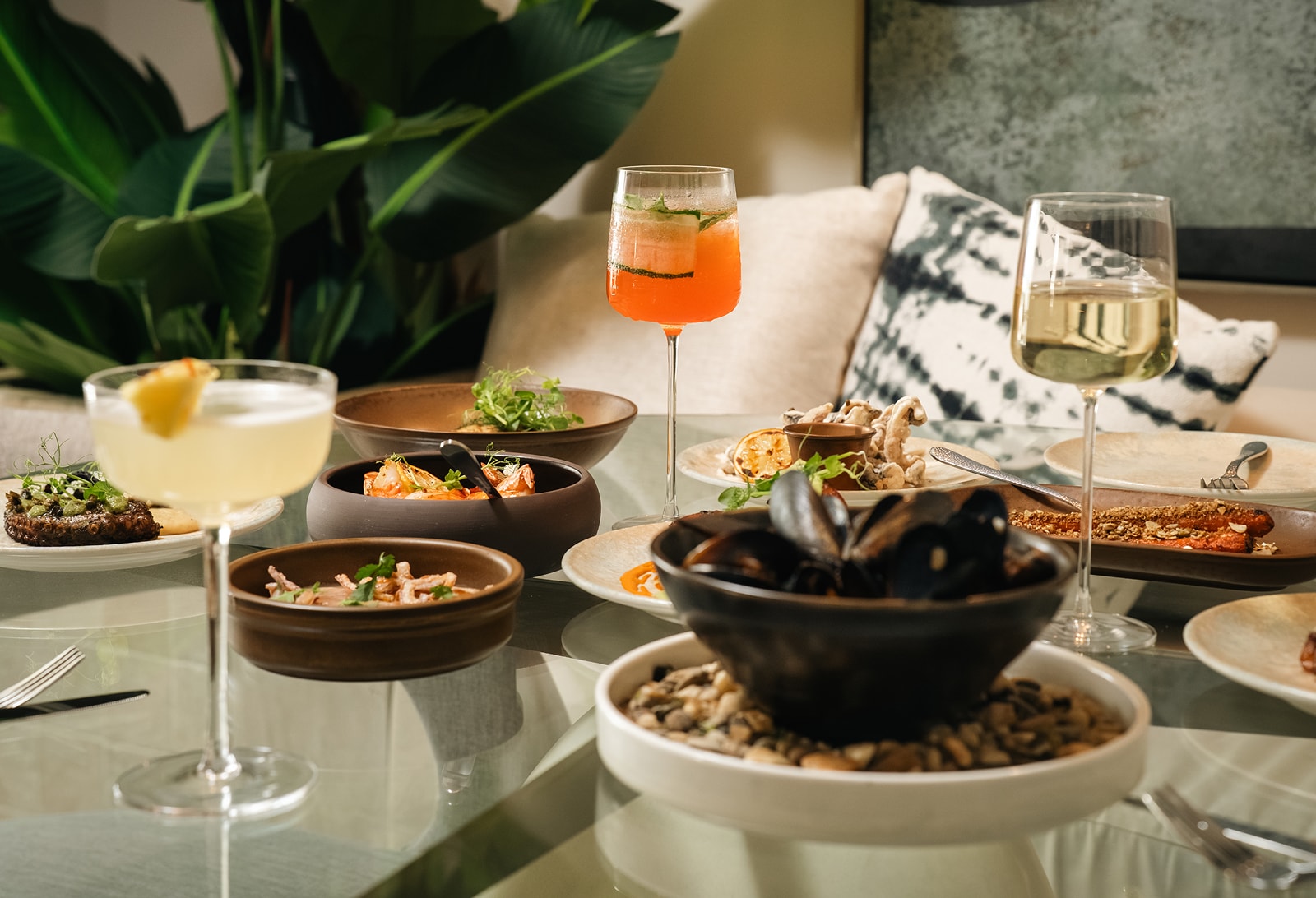
Restaurants build menus that encourage sharing by offering a thoughtful mix of portion sizes, complementary flavors, varied textures, and dishes that are easy to place in the center of the table. Rather than treating every entrée as an individual meal, a sharing-focused menu gives guests reasons to order several items, compare flavors, and participate in a more social dining experience. Research into contemporary dining experiences emphasizes the social dimension of eating together, while restaurant-industry research has also identified comfort, community, and shareable foods as important menu considerations.[1][2]
Restaurants can encourage sharing by designing the menu around the way people naturally explore food together rather than simply listing individual meals. When dishes are complementary, approachable, and easy to discuss, the menu itself becomes part of the social experience.
Portion size is one of the most direct ways restaurants can encourage guests to order multiple dishes for the table. A menu does not necessarily need to label every item as a “sharing plate”; portions can communicate the intended dining style naturally. Smaller plates, appetizers, sides, and moderately sized entrées give guests more flexibility to combine several selections.
The goal is to provide enough food for guests to experience a dish without making one selection feel like the entire meal. This can be especially effective when dishes have distinct flavors, ingredients, or cooking techniques that make them worth trying alongside one another.
Restaurants can also use menu descriptions to help guests understand how different dishes might work together. Helpful wording can make it easier for diners to recognize which selections complement each other without making the ordering process feel overly complicated.
Variety gives diners a reason to order several dishes because each selection can offer a different flavor, texture, ingredient, or preparation. A successful sharing menu might move from something bright and refreshing to something rich and savory, creating contrast across the meal rather than repeating the same experience.
This variety can also make ordering more engaging. One guest might be drawn to seafood, another to vegetables, and another to a slow-cooked or grilled dish, allowing everyone at the table to contribute to the final selection. Research published in Appetite in 2024 found that restaurant meal selection involves different decision-making strategies than choosing food at home, underscoring the importance of how restaurants structure and present choices.[1]
A well-designed menu therefore gives diners enough options to personalize the meal without overwhelming them. The National Restaurant Association's 2024 culinary forecast similarly highlighted the balance between variety and streamlined menus, while noting consumer interest in flavors that provide both familiarity and curiosity.[2]
Restaurants encourage sharing when dishes are designed to be easy to serve, pass, portion, and eat together. A beautiful dish may look appealing when it arrives at the table, but its practicality matters when several people are reaching for it.
Presentation can make a difference as well. Dishes intended for the center of the table benefit from serving vessels and arrangements that allow everyone to see and access the food. The National Restaurant Association specifically recommends presentations suited to sharing as one way restaurants can showcase dishes and enhance the on-premises dining experience.[2]
The menu language can reinforce this approach without being overly prescriptive. Phrases such as “for the table,” “served family-style,” or “perfect for sharing” can provide a subtle cue, while thoughtful descriptions allow guests to decide for themselves how they want to enjoy the dish.
A sharing-focused menu turns ordering into a group conversation rather than a series of individual decisions. Guests can discuss what sounds appealing, recommend dishes to one another, and build a meal that reflects the interests of everyone at the table.
That interaction is part of what makes sharing memorable. A 2024 study in the International Journal of Hospitality Management examined contemporary shared dining experiences and found that sensory, social, and hospitality-related elements can influence diners' cognitive and emotional responses.[2] While the study focused on private-chef dining rather than restaurant menus specifically, it reinforces the broader role that social interaction can play in the dining experience.
The best sharing menus leave room for discovery without making guests feel as though there is only one correct way to order. Whether a table chooses two dishes or fills the table with several plates, the menu should make experimentation feel natural and enjoyable.
Restaurants can encourage that experience by:
A thoughtfully designed menu can make sharing feel effortless, social, and rewarding. By combining flexible portions, meaningful variety, accessible presentation, and complementary flavors, restaurants can create a dining experience that encourages guests to explore more of the menu together.
Contact us to learn more about our dining experience, menu, and approach to creating memorable meals for the table.

Adrienne Thorpe is a Marketing Coordinator for UVA Barbados, with a passion for the food and beverage industry and a focus on transforming guest experiences into unforgettable memories.