Summary
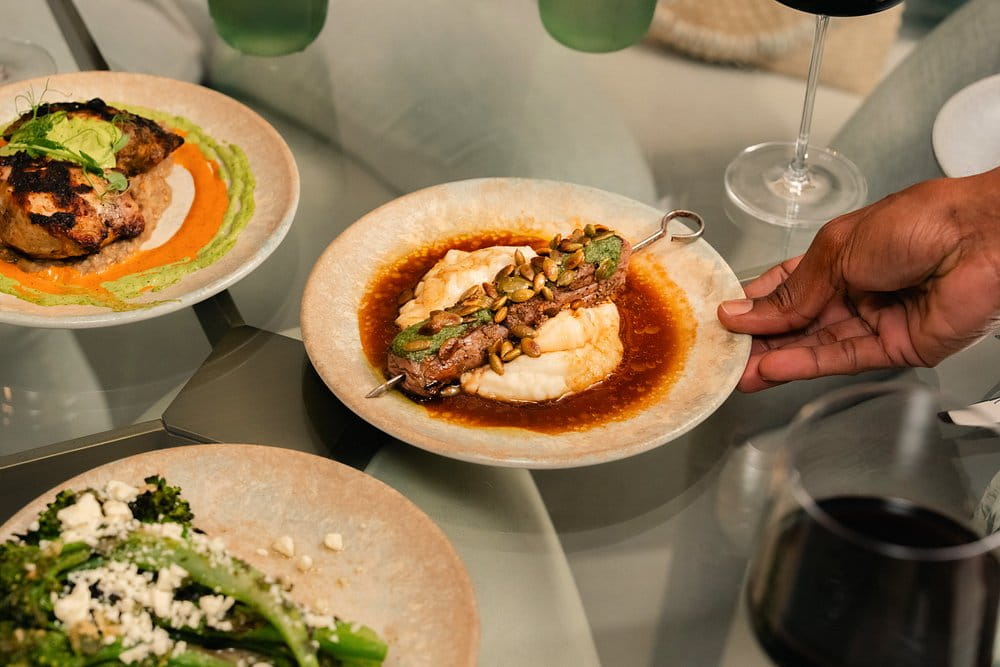
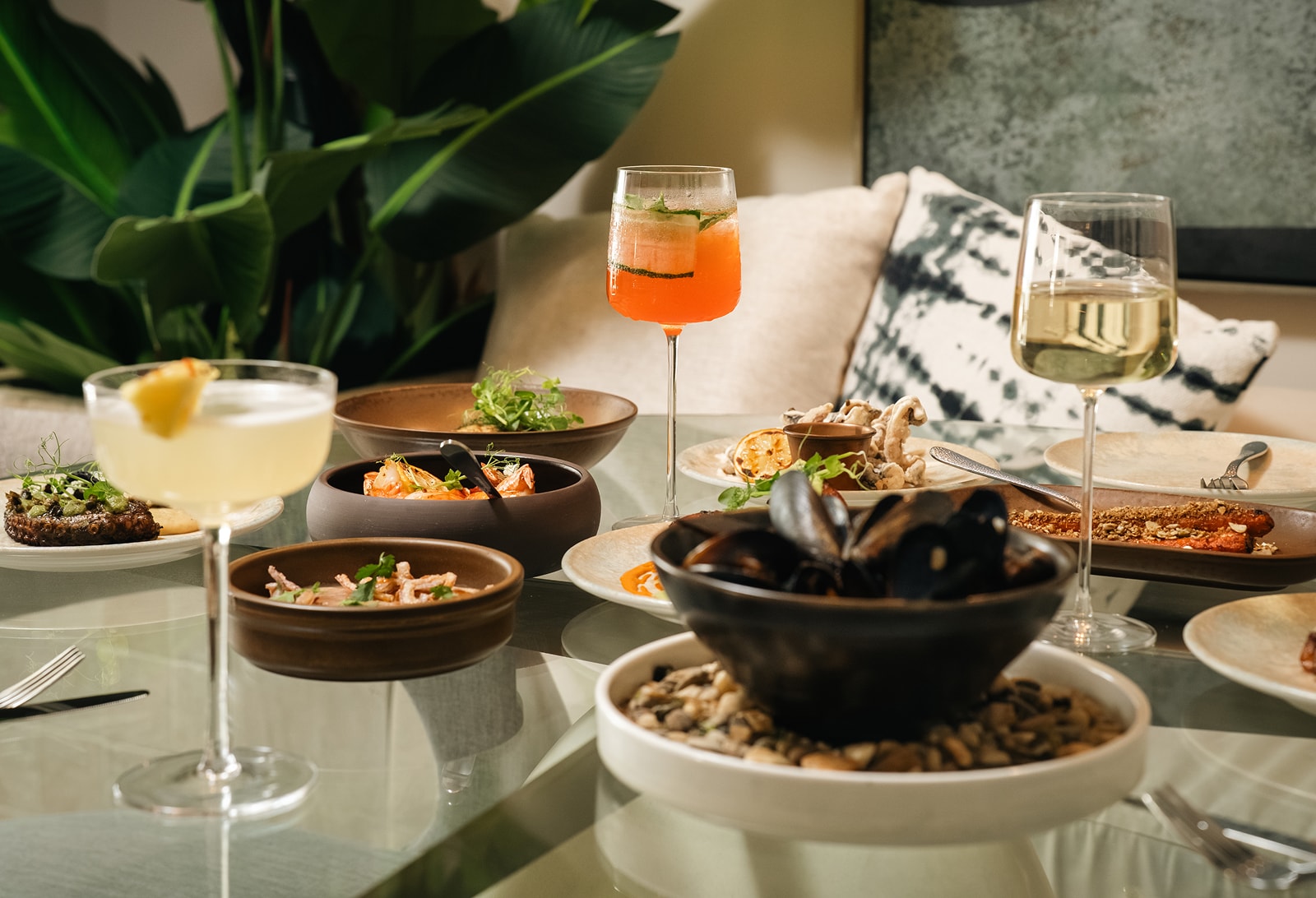
Restaurants balance richness, acidity, and texture in a dish by carefully combining ingredients and cooking techniques that complement and contrast one another. Rich components such as butter, cream, olive oil, or slow-braised proteins are balanced with acidic elements like citrus, vinegar, or fresh herbs to keep flavors vibrant and refreshing. Texture adds another important layer, creating contrast between creamy, crisp, tender, or charred elements. Together, these components create dishes that feel harmonious, dynamic, and satisfying without becoming overwhelming.
Modern fine dining is built on balance rather than excess. Chefs carefully layer flavors and textures so each bite feels complete, nuanced, and enjoyable from beginning to end. Contemporary Caribbean and Mediterranean-inspired cuisine especially embraces this philosophy by combining bright tropical ingredients with refined culinary techniques. The result is food that feels rich and comforting while still remaining fresh and elegant.
Why Balance Is Essential in Contemporary Cuisine
Balance is essential in contemporary cuisine because it keeps dishes flavorful, dynamic, and enjoyable throughout the meal. Richness, acidity, and texture work together to create depth without heaviness.
Richness often comes from ingredients like olive oil, butter, seafood stock, creamy risottos, or slow-cooked proteins. While these ingredients provide comfort and depth, too much richness can overwhelm the palate. Acidity helps counterbalance those flavors by introducing brightness and freshness through citrus, vinegars, tomatoes, or herbs.
Texture adds another level of complexity. Contemporary dishes often combine crisp, creamy, charred, and tender elements within the same plate. This variation keeps each bite interesting and enhances the overall sensory experience.
How Chefs Create Flavor and Texture Harmony
Chefs create flavor harmony by layering contrasting ingredients and using precise cooking techniques. The goal is to ensure no single element dominates the dish.
Common balancing techniques include:
- Pairing rich sauces with citrus or herb-based finishes
- Adding crispy garnishes to creamy dishes for contrast
- Using charred cooking methods to introduce smokiness and texture
- Combining fresh herbs with slow-cooked or braised ingredients
- Incorporating tropical fruits or acidic reductions into seafood dishes
- Balancing delicate seafood with bold but controlled seasoning
Dishes such as charred octopus showcase this balance particularly well. The smoky richness from the char is lifted by citrus, herbs, or olive oil, preventing the dish from feeling too heavy. Similarly, seafood risotto combines creamy texture with bright seafood flavors and freshness.
Vegetable-focused dishes like tahini eggplant also demonstrate how balance works in practice. Creamy tahini and roasted eggplant are often paired with acidity, herbs, or spice to create depth while maintaining freshness.
Examples of Balance in Contemporary Fine Dining Dishes
| Dish Element | Richness Component | Balancing Element | Texture Contrast |
| Charred Octopus | Smoky olive oil and char | Citrus and fresh herbs | Tender interior with crisp edges |
| Tahini Eggplant | Creamy tahini and roasted eggplant | Spice and acidity | Smooth puree with roasted texture |
| Seafood Risotto | Creamy rice and seafood stock | Fresh herbs and citrus notes | Creamy risotto with tender seafood |
| Grilled Seafood | Natural seafood richness | Lemon and tropical flavors | Charred exterior with delicate center |
| Craft Cocktails | Sweet syrups or infused spirits | Citrus and bitters | Smooth liquid with fresh garnishes |
Balancing richness, acidity, and texture is what transforms a dish from simply flavorful into truly memorable. Each element plays a role in creating depth, contrast, and harmony on the plate.
This thoughtful approach is especially important in contemporary fine dining, where guests expect dishes to feel refined yet approachable. When executed well, balance allows every ingredient to shine while contributing to a cohesive dining experience.
If you would like to learn more about contemporary fine dining techniques and balanced flavor profiles, contact us. We are passionate about creating dishes that celebrate texture, freshness, and culinary craftsmanship.
FAQ
1. Why is acidity important in cooking?
Acidity brightens flavors and balances rich ingredients, helping dishes feel fresher and lighter.
2. What creates richness in a dish?
Richness often comes from fats like butter, olive oil, cream, or naturally rich ingredients such as seafood and slow-braised meats.
3. Why is texture important in fine dining?
Texture creates contrast and variety, making dishes more engaging and enjoyable to eat.
4. What is an emulsion in cooking?
An emulsion is a mixture of ingredients like oil and water-based liquids blended together into a smooth sauce or dressing.
5. How do chefs balance strong flavors?
Chefs use acidity, herbs, sweetness, spice, and texture to ensure no single flavor overwhelms the dish.