Summary
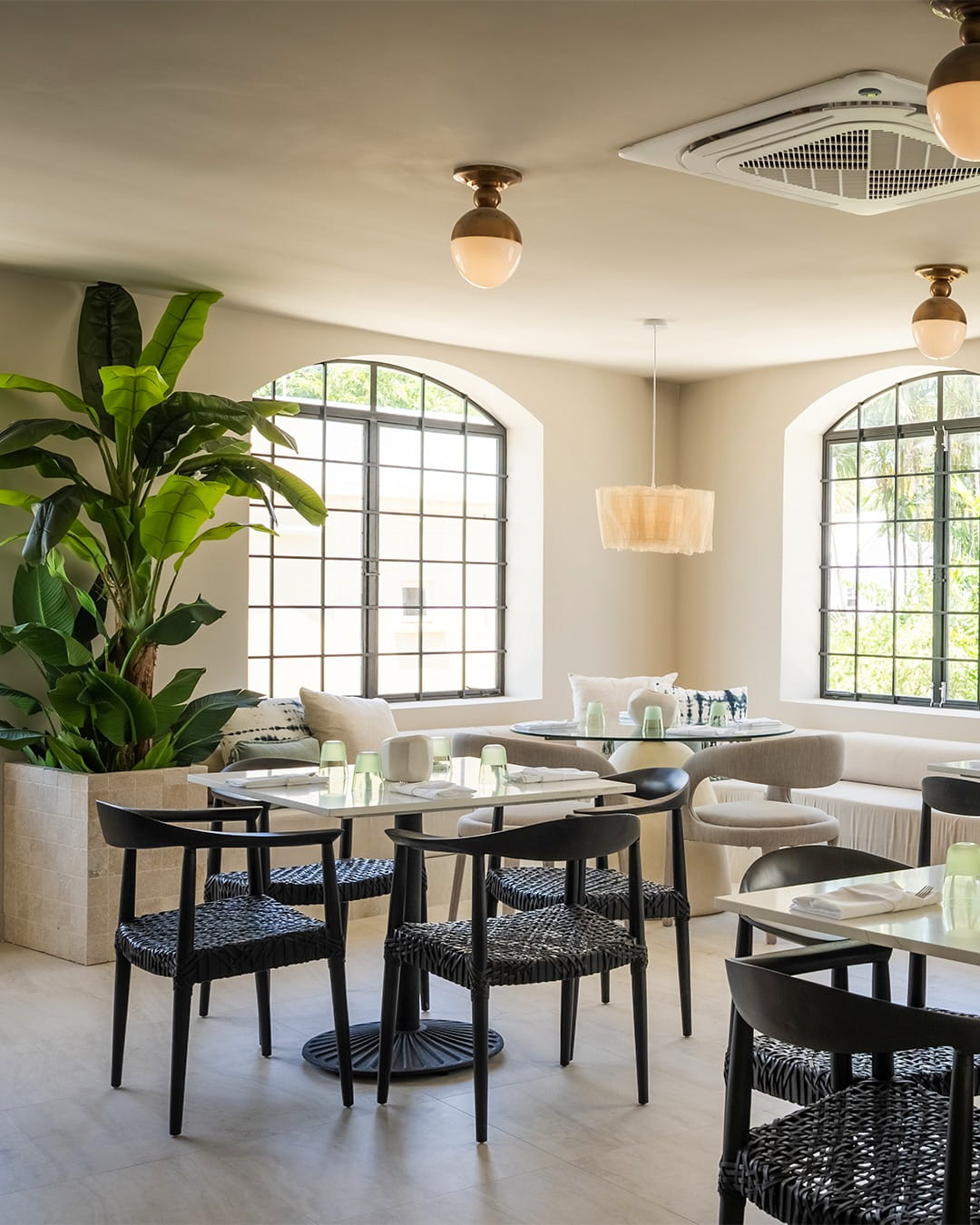
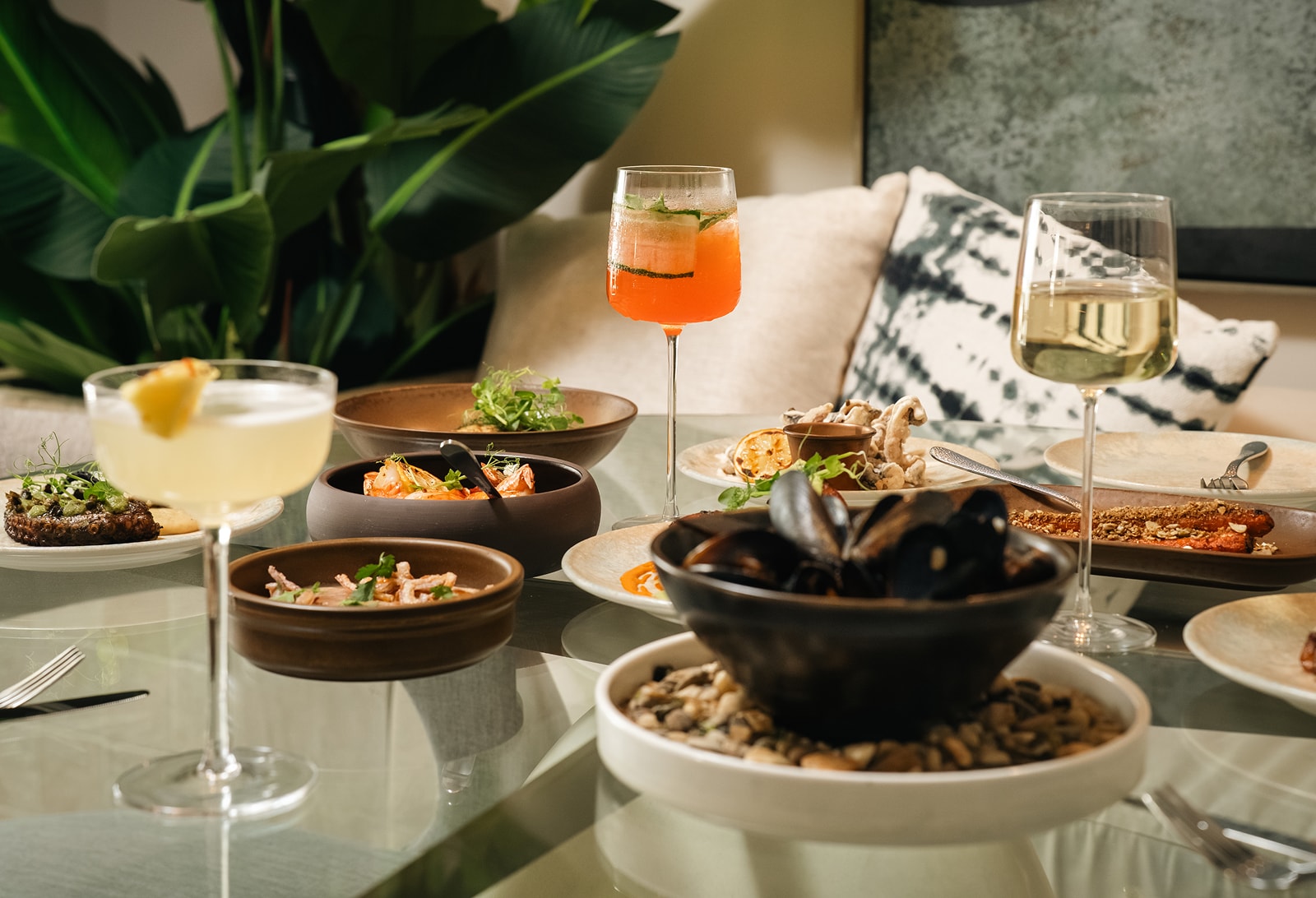
Contemporary dining rooms create comfort without pretense by combining thoughtful design, relaxed layouts, and high-quality materials that feel approachable rather than intimidating. The balance between elegance and informality allows guests to enjoy refined meals while feeling at ease, free from rigid formality or unnecessary ceremony. Elements such as warm lighting, comfortable seating, and open spaces encourage lingering and social interaction. By prioritizing guest comfort alongside aesthetic appeal, these dining rooms foster a welcoming atmosphere that enhances the overall experience.
Modern dining rooms are carefully crafted to be inviting while still conveying sophistication. Designers aim to create spaces where guests feel both cared for and relaxed. Every element, from furniture to lighting, contributes to a sense of ease. This thoughtful approach helps diners focus on enjoying their meal and company without distraction.
Design Elements That Promote Comfort
Comfortable contemporary dining rooms use design to balance style and approachability. Elements like seating, lighting, and spatial arrangement are chosen to enhance relaxation while maintaining visual appeal.
Key design features include:
- Ergonomic chairs and tables for long, comfortable seating
- Soft, layered lighting to create warmth without harshness
- Thoughtful spacing between tables for privacy and ease of movement
- Textures and materials that feel natural and tactile
- Decorative elements that enhance but do not overwhelm
These choices make the space feel welcoming and human-centered. Guests can enjoy the ambiance without feeling constrained by formalities or rigid decor.
The design also considers the psychological impact of color, materials, and layout. Warm tones, natural textures, and open spaces reduce tension and promote ease. Guests feel a sense of calm and relaxation, which complements the culinary experience.
How Service and Flow Support a Relaxed Environment
The dining experience extends beyond furniture and lighting. Service style and operational flow are integral to creating comfort without pretense.
- Staff are trained to be attentive yet unobtrusive
- Courses are paced thoughtfully to match guests’ natural rhythm
- Clear paths and layout allow guests to move freely without disruption
- Lounge and dining areas are connected for flexible movement
- Noise levels are managed to support conversation without forcing silence
Well-coordinated service and environment ensure guests feel attended to without pressure. This allows for an enjoyable, leisurely meal that feels sophisticated yet approachable.
Comparing Traditional and Contemporary Dining Rooms
| Feature | Traditional Fine Dining | Contemporary Dining |
| Atmosphere | Formal, sometimes stiff | Warm, inviting |
| Seating | Structured, fixed | Flexible, comfortable |
| Lighting | Bright or dramatic | Soft, layered, natural |
| Service Style | Formal, highly regimented | Attentive yet relaxed |
| Guest Experience | Elegant, structured | Comfortable, approachable |
This comparison illustrates how contemporary dining rooms maintain elegance while removing barriers that may intimidate guests. The result is a space where fine dining is enjoyable, social, and relaxed.
If you want to learn more about designing or experiencing comfortable, approachable fine dining spaces, contact us today. Our team is dedicated to creating environments that balance sophistication and ease.
FAQ
1. What defines a contemporary dining room?
A contemporary dining room blends modern design, comfort, and approachability, prioritizing guest experience without unnecessary formality.
2. How is comfort achieved without compromising style?
Through ergonomic seating, layered lighting, natural materials, and thoughtful spatial layouts that feel both elegant and relaxed.
3. Does contemporary dining encourage guests to linger?
Yes, the relaxed atmosphere and thoughtful service pacing support extended, enjoyable meals.
4. How does service complement the environment?
Attentive yet unobtrusive service reinforces the comfortable ambiance and ensures guests feel cared for without pressure.
5. Can contemporary dining work in small spaces?
Yes, careful layout, lighting, and furniture choices allow even smaller spaces to feel open, comfortable, and inviting.