Summary
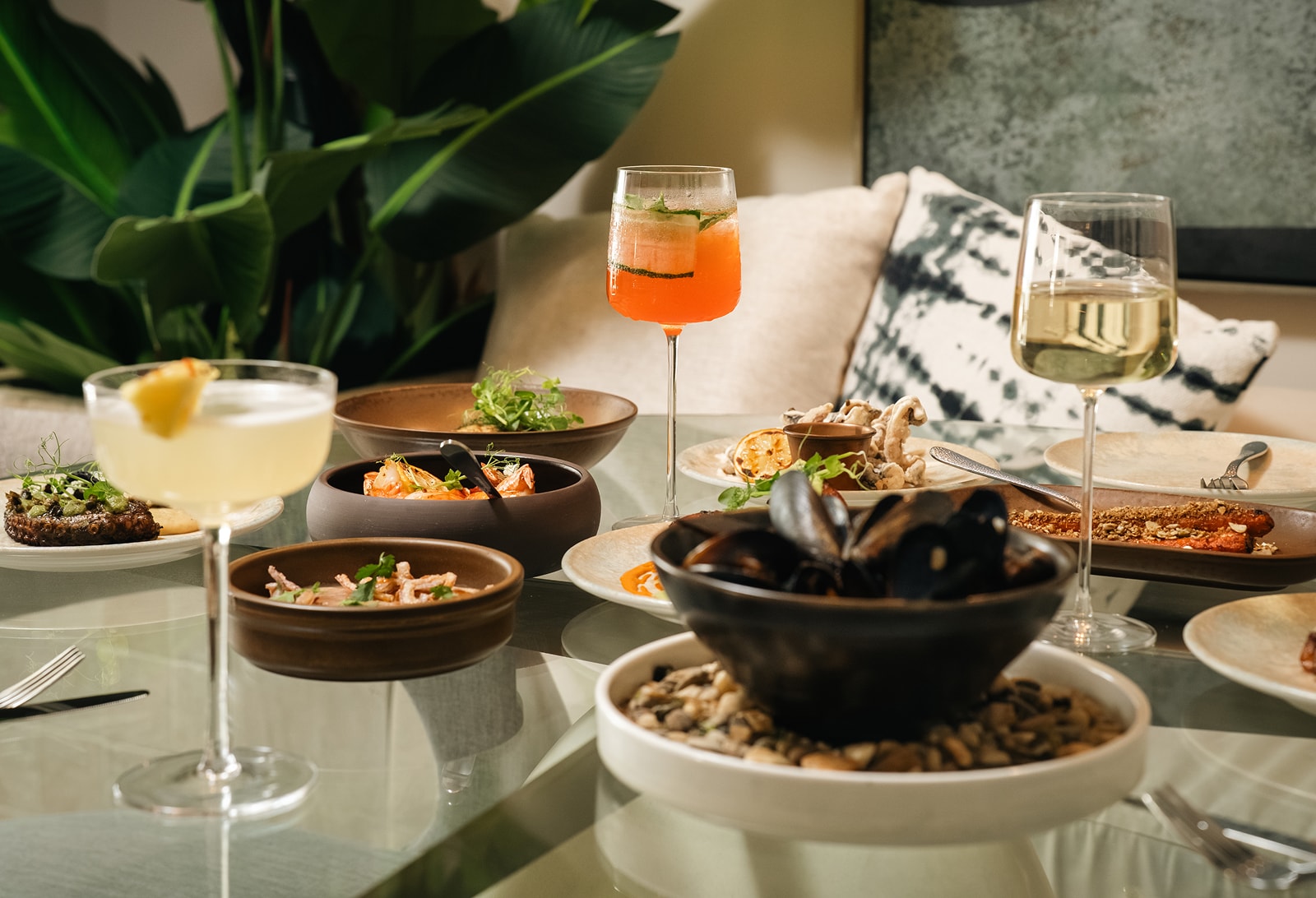
Caribbean and Mediterranean flavors work together in fine dining by combining bright tropical ingredients, fresh seafood, aromatic herbs, and balanced cooking techniques that emphasize freshness and depth. Both culinary traditions value vibrant acidity, high-quality olive oils, charred proteins, and layered textures, making them naturally complementary. In modern fine dining, chefs blend these influences to create dishes that feel refined yet approachable, balancing richness with citrus, spice, and freshness. The result is a dining experience that is flavorful, elegant, and deeply rooted in coastal culinary traditions.
Caribbean and Mediterranean cuisines share a love for fresh ingredients, bold flavors, and relaxed hospitality. Together, they create dishes that feel both comforting and elevated, making them ideal for contemporary fine dining. The fusion allows chefs to balance smoky char, bright herbs, seafood richness, and tropical freshness in creative ways. This combination has become increasingly popular in restaurants that focus on refined yet approachable dining experiences.
Shared Culinary Foundations Between Caribbean and Mediterranean Cuisine
Caribbean and Mediterranean cuisines complement each other because they both prioritize freshness, balance, and vibrant ingredients. Their shared emphasis on seafood, herbs, citrus, and grilled flavors creates a natural culinary partnership.
Mediterranean cuisine often relies on olive oil, lemon, garlic, herbs, and slow cooking techniques to build layered flavors. Caribbean cuisine similarly uses citrus, spice, fresh seafood, and tropical produce to create dishes with brightness and complexity. When these culinary traditions are combined, chefs can create menus that feel globally inspired while still remaining cohesive and balanced.
This fusion works particularly well in fine dining because both cuisines celebrate simplicity executed with precision. Dishes are designed to highlight ingredient quality while balancing acidity, richness, texture, and aroma. The result feels elegant without becoming overly complicated.
How Fine Dining Menus Blend These Influences
Modern fine dining menus merge Caribbean and Mediterranean flavors through seafood, vegetable-forward dishes, and carefully layered seasonings. These combinations create plates that feel fresh, nuanced, and memorable.
Popular flavor combinations often include:
- Charred seafood paired with citrus or herb emulsions
- Tahini, yogurt, or olive oil balanced with tropical ingredients
- Slow-braised meats enhanced by Caribbean spices and Mediterranean herbs
- Fresh seafood risottos with bright island flavors
- Grilled vegetables paired with smoky or tangy sauces
These dishes showcase how both cuisines naturally enhance one another. Mediterranean techniques bring refinement and structure, while Caribbean ingredients add brightness and vibrancy. Together, they create a menu that encourages exploration and sharing.
Menu items such as charred octopus, tahini eggplant, and seafood risotto demonstrate this balance particularly well. Smoky char, creamy textures, and tropical acidity work together to create depth without heaviness.
Examples of Caribbean-Mediterranean Flavor Pairings
| Menu Offering | Mediterranean Influence | Caribbean Influence |
| Charred Octopus | Olive oil, herbs, grilled preparation | Bright citrus and smoky island-inspired flavors |
| Tahini Eggplant | Tahini, sesame, roasted vegetable techniques | Tropical seasoning and balanced acidity |
| Seafood Risotto | Creamy rice preparation and seafood stock | Fresh local seafood and vibrant island flavors |
| Grilled Seafood Plates | Mediterranean herb marinades and olive oil | Caribbean spice blends and tropical garnishes |
| Craft Cocktails | Herbal and citrus-forward profiles | Rum, tropical fruits, and island-inspired ingredients |
When Caribbean and Mediterranean flavors are thoughtfully combined, the dining experience feels both exciting and harmonious. The fusion highlights freshness, craftsmanship, and balance in every course.
This style of cuisine also reflects a more modern approach to fine dining one that values comfort, sharing, and layered flavor experiences. Guests can enjoy dishes that feel sophisticated without losing warmth or approachability.
If you would like to learn more about Caribbean-Mediterranean fine dining experiences, contact us today. Our team is passionate about creating a menu that celebrates vibrant ingredients, refined techniques, and memorable hospitality.
FAQ
1. Why do Caribbean and Mediterranean flavors work well together?
Both cuisines emphasize fresh seafood, citrus, herbs, grilled ingredients, and balanced flavors, making them naturally complementary.
2. What are common Mediterranean ingredients used in fusion cuisine?
Olive oil, tahini, lemon, garlic, yogurt, and fresh herbs are frequently used in Mediterranean-inspired dishes.
3. How does Caribbean cuisine influence fine dining menus?
Caribbean cuisine adds tropical fruits, vibrant spices, fresh seafood, and bold acidity that brighten and balance dishes.
4. What is a seafood risotto?
Seafood risotto is a creamy rice dish prepared with seafood stock and fresh seafood such as shrimp, scallops, or shellfish.
5. Are fusion menus common in modern fine dining?
Yes, many contemporary restaurants blend culinary traditions to create innovative dishes with layered and balanced flavors.