Summary
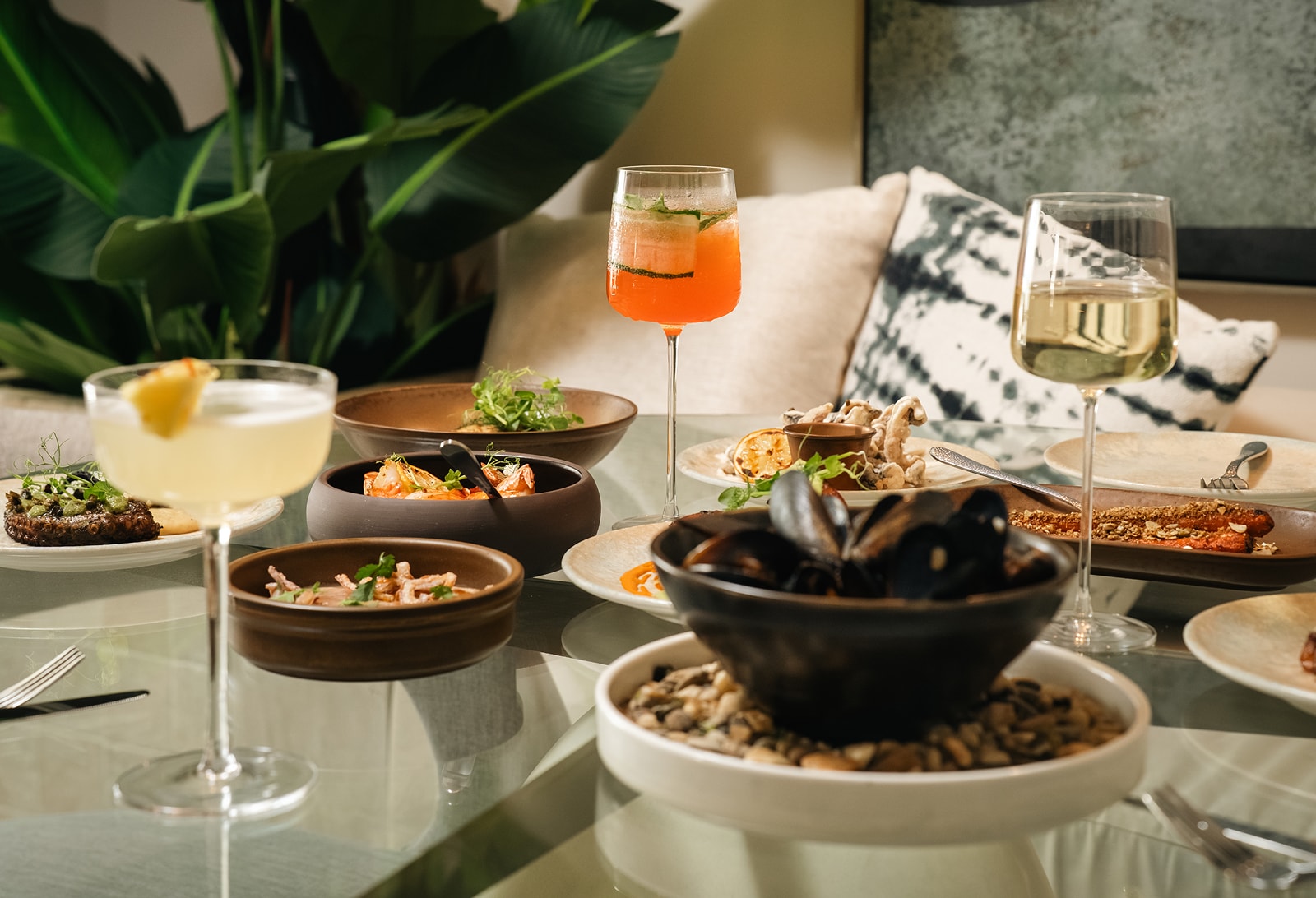
Beverage pairings enhance Caribbean-inspired cuisine by balancing bold spices, complementing tropical ingredients, and bringing out the natural flavors of seafood, grilled meats, fresh herbs, and vibrant sauces. The right drink can refresh the palate between bites, soften heat, contrast with rich textures, or highlight fruity and citrus notes in a dish. From crisp white wines and sparkling beverages to Caribbean rum cocktails and refreshing nonalcoholic options, thoughtful pairings help create a more balanced, memorable dining experience.
Caribbean-inspired cuisine is known for its lively combination of tropical fruits, aromatic spices, fresh seafood, and bold seasonings. Choosing the right beverage adds another dimension to these flavors, helping each dish feel more harmonious while giving diners new ways to experience the ingredients.
How Do Beverage Pairings Balance Caribbean Flavors?
Beverage pairings balance Caribbean-inspired cuisine by complementing a dish's sweetness, acidity, spice, richness, and aromatic ingredients. Rather than simply choosing a favorite drink, thoughtful pairing considers how the beverage interacts with the food and whether it enhances or competes with the flavors.
For example, a crisp, acidic white wine can refresh the palate after a rich seafood dish, while a tropical cocktail with citrus can complement the sweetness of grilled pineapple or mango. When a dish features chile peppers or jerk seasoning, a refreshing beverage with a touch of sweetness may help balance the heat without overwhelming the other ingredients.
The goal is to create harmony rather than make every flavor taste the same. A successful pairing might contrast a rich dish with something bright and refreshing or reinforce the tropical notes in a preparation with a complementary fruit-forward beverage.
- Acidity refreshes the palate and balances rich sauces.
- A touch of sweetness can complement spicy or smoky dishes.
- Bubbles provide a lively contrast to rich or fried foods.
- Herbal notes complement fresh herbs and aromatic seasonings.
- Citrus flavors brighten seafood and tropical ingredients.
Which Wines and Spirits Pair Well With Caribbean-Inspired Dishes?
The best wine and spirit pairings for Caribbean-inspired cuisine depend on the dish's seasoning, richness, preparation, and dominant flavors. Crisp white wines, sparkling wines, rosé, and carefully selected reds can all work well, while rum offers a natural connection to the Caribbean's culinary traditions.
Light, citrus-forward beverages often complement seafood, ceviche, and grilled fish without overpowering their delicate flavors. For dishes with smoky spices, grilled meats, or richer sauces, a more aromatic wine or a rum-based cocktail can provide a complementary layer of flavor. A 2024 cross-cultural study of food and beverage pairing found both shared patterns and cultural differences in how people perceive pairings, highlighting that personal preferences and food traditions matter alongside sensory characteristics.[1]
The following combinations provide a useful starting point, although the best match will depend on the exact dish and the diner's preferences.
| Caribbean-Inspired Dish |
Beverage Pairing |
| Grilled fish or seafood |
Crisp white wine or a citrus-forward cocktail |
| Jerk-seasoned chicken |
Refreshing beer, fruity rosé, or a balanced rum cocktail |
| Rich seafood risotto |
Dry white wine with refreshing acidity |
| Grilled tropical fruit |
Sparkling wine or a lightly sweet, fruit-forward drink |
| Chocolate or spiced desserts |
A suitable aged rum or a dessert wine |
How Can Cocktails and Nonalcoholic Drinks Complement Tropical Ingredients?
Cocktails and nonalcoholic beverages enhance Caribbean-inspired cuisine when their fruit, citrus, herbal, and spice notes complement the ingredients in the dish. Drinks featuring lime, pineapple, passion fruit, ginger, or fresh mint can echo flavors found in Caribbean cooking while adding their own refreshing character.
Rum is a particularly versatile option because it comes in different styles, from light and delicate to rich and aged. A light rum with lime may suit seafood or grilled fish, while an aged rum can complement deeper, caramelized flavors in grilled meats or desserts. The key is to avoid making the beverage so sweet or strong that it overwhelms the food.
Nonalcoholic pairings deserve the same attention as cocktails and wine. Sparkling water with citrus, ginger-based drinks, tropical fruit spritzes, and carefully balanced herbal infusions can provide acidity, aroma, and refreshment without alcohol.
- Lime and sparkling water offer a clean, refreshing contrast.
- Pineapple and passion fruit echo tropical flavors in the cuisine.
- Ginger and fresh herbs introduce aromatic complexity.
- Light rum cocktails can complement seafood and grilled dishes.
- Alcohol-free spritzes provide a celebratory option without spirits.
A thoughtful beverage menu gives every guest an opportunity to enjoy a pairing that suits their taste, whether they prefer wine, cocktails, beer, or alcohol-free alternatives.
How Do Beverage Pairings Create a More Memorable Dining Experience?
Thoughtful beverage pairings make a dining experience more memorable by connecting the flavors of each course with the aromas, textures, and traditions of the drink. A well-chosen beverage can introduce contrast, reinforce a dish's character, and help create a natural progression from the first course to dessert.
In fine dining, pairing is not simply about matching ingredients. It also involves considering serving temperature, intensity, sweetness, acidity, and how the beverage will interact with the complete dish. The Association de la Sommellerie Internationale's 2024 sommelier guidelines emphasize evaluating the flavors, aromas, and structures of both the food and beverage when selecting a pairing.[2]
Ultimately, the best pairings support the food rather than compete with it. When Caribbean-inspired ingredients, carefully prepared dishes, and complementary beverages work together, the result feels cohesive while still allowing each element to express its own character.
Beverage pairings can elevate the experience by:
- Creating contrast between rich dishes and refreshing drinks.
- Reinforcing regional character through Caribbean rum and tropical ingredients.
- Adding sensory variety through bubbles, aromas, and different textures.
- Supporting the progression of courses from lighter dishes to richer flavors.
- Personalizing the experience around individual preferences and dietary choices.
At a fine-dining restaurant, every detail contributes to the overall experience, and beverage pairings are an important part of that attention to detail. By choosing drinks that complement Caribbean-inspired ingredients and seasonings, restaurants can create meals that feel balanced, distinctive, and memorable.
Contact us to learn more about our menu and discover how thoughtfully selected beverages can complement Caribbean and Mediterranean-inspired flavors in our dining experience.
FAQ
1. What is a food and beverage pairing?
A food and beverage pairing is the selection of a drink that complements or contrasts with the flavors, aromas, and textures of a dish to create a more enjoyable overall experience.
2. What wine goes best with Caribbean seafood?
Crisp white wines with refreshing acidity are often a good starting point for grilled fish, shellfish, and other seafood. The ideal choice depends on the preparation, sauce, and seasoning.
3. Does rum pair well with food?
Yes. Different rum styles can complement seafood, grilled meats, spicy dishes, tropical fruits, and desserts. Lighter rums often work with brighter flavors, while aged rums can suit richer preparations.
4. What drinks help balance spicy Caribbean food?
Refreshing drinks with acidity or moderate sweetness can complement spicy dishes. Depending on the food, options include citrus-forward cocktails, some fruity wines, sparkling beverages, and alcohol-free drinks.
5. Can nonalcoholic beverages be paired with fine dining?
Absolutely. Alcohol-free spritzes, sparkling water with citrus, ginger drinks, and herbal infusions can provide the same thoughtful balance of flavor and aroma as alcoholic pairings.
Citations
- “Exploring food and beverage pairing from a cross-cultural projective mapping,” Food Research International, Elsevier, Accessed October 25, 2026, https://www.sciencedirect.com/science/article/pii/S0963996924005854.
- “Sommelier Guidelines,” Association de la Sommellerie Internationale, 2024, Accessed October 25, 2026, https://www.asi.info/wp-content/uploads/securepdfs/2024/07/2024-ASI-Sommelier-Guidelines-ENG-1-1.pdf.