Food
February 15, 2026
How Did Fine Dining Develop?
Explore the evolution of fine dining from formal, rigid traditions to approachable, guest-friendly experiences, blending culinary excellence with comfort and warmth.
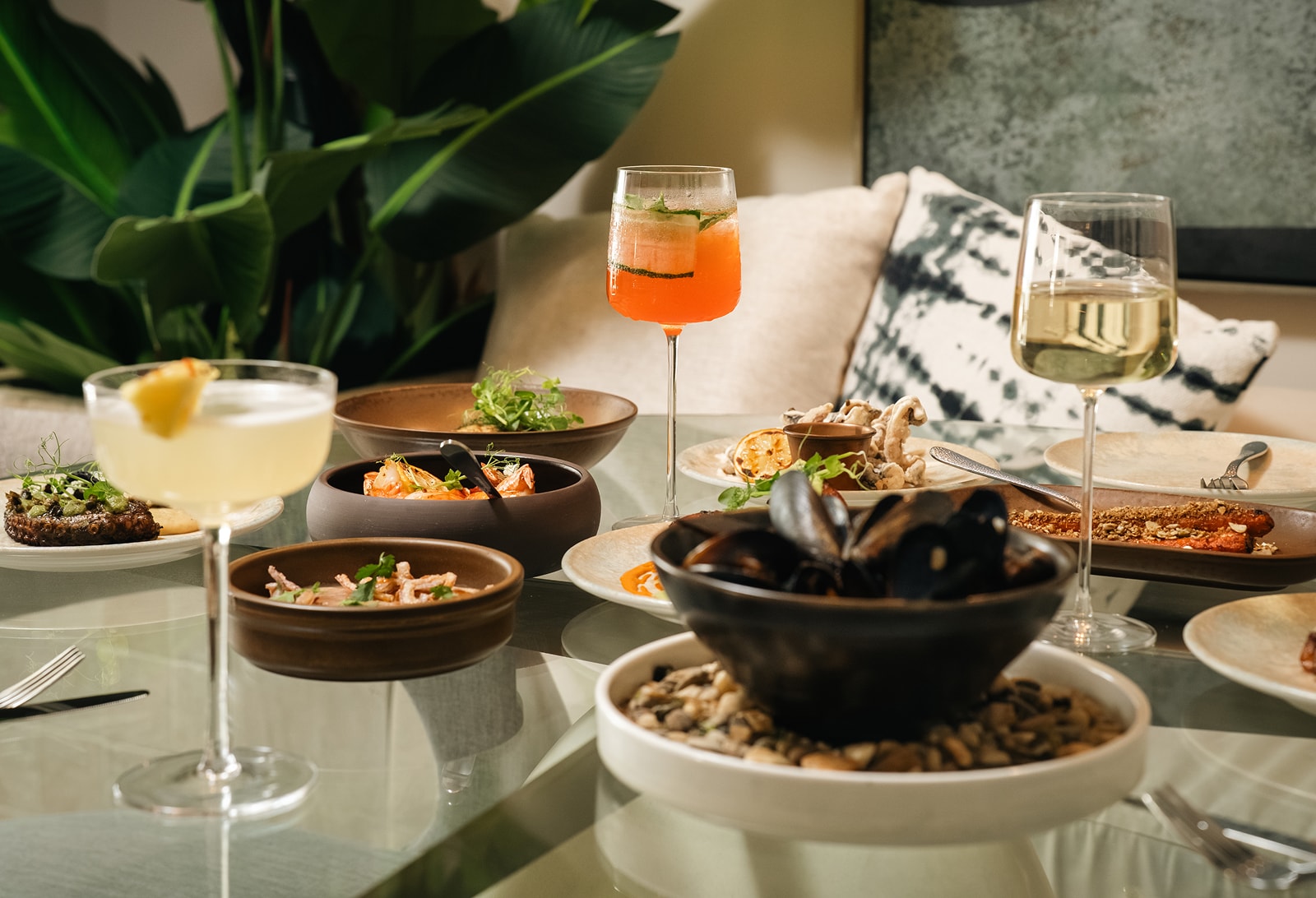
Fine dining has evolved from rigidly formal settings to more approachable, guest-focused experiences that emphasize comfort, creativity, and personalized service. While maintaining high culinary standards and attention to detail, modern fine dining balances elegance with accessibility, encouraging guests to savor the journey without intimidation. This evolution reflects changes in societal tastes, cultural expectations, and hospitality trends, making fine dining enjoyable for a broader audience.
Historically, fine dining was synonymous with strict etiquette, elaborate rituals, and highly structured service. Today, it has transformed into an experience that prioritizes connection, culinary exploration, and thoughtful hospitality. The shift has not diminished standards; instead, it enhances accessibility while retaining the artistry and precision of classic fine dining. Guests now enjoy sophisticated meals in environments that feel welcoming rather than intimidating.
Formal fine dining originated in Europe during the 17th and 18th centuries, characterized by strict etiquette, multi-course meals, and elaborate service protocols. Restaurants were often exclusive spaces for the elite, emphasizing ceremony as much as cuisine. Menus were extensive, ingredients rare, and service highly regimented, creating a sense of occasion and prestige.
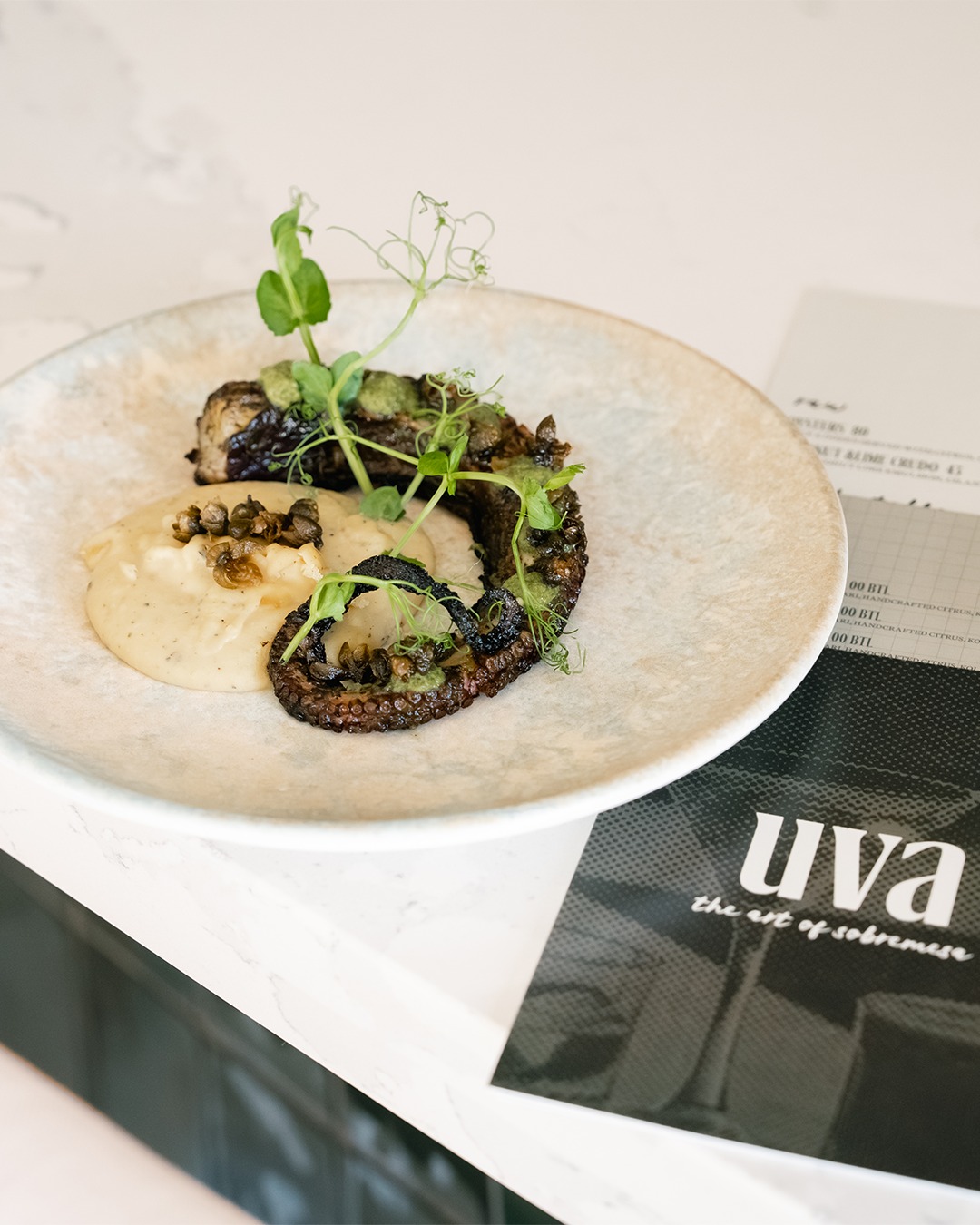
Dishes were often plated symmetrically, with precise techniques and presentation reflecting status and training. Service staff followed detailed rules for timing, handling cutlery, and assisting diners. Every element, from table settings to course progression, reinforced formality and refinement.
While elegant, these settings could feel rigid or intimidating for many diners. As culinary culture spread and social norms evolved, a more approachable model emerged that balanced excellence with comfort.
Modern fine dining embraces sophistication without rigidity, making high-quality experiences more accessible to a wider audience. Restaurants now focus on thoughtful flavors, seasonal ingredients, and guest comfort over formal ceremony. Atmosphere, menu design, and service are curated to enhance enjoyment without overwhelming diners.
Key elements of approachable fine dining include:
This approach maintains technical excellence while prioritizing warmth, engagement, and relaxation.
Understanding the differences between traditional formal dining and contemporary approachable fine dining highlights the evolution of the experience. Both value culinary skill and attention to detail, but they differ in atmosphere, service style, and accessibility.
Modern approachable fine dining demonstrates that excellence can be combined with warmth and accessibility, creating memorable experiences without formality.
If you want to explore how contemporary fine dining blends tradition with approachability, we invite you to contact us and learn more about the evolving art of hospitality.
1. What defines traditional fine dining?
Formal settings, multi-course meals, strict service protocols, and high culinary precision.
2. How has fine dining become more approachable?
Through relaxed etiquette, shareable menus, warm atmosphere, and adaptable service.
3. Are modern fine dining restaurants less skilled?
No, technical skill and ingredient quality remain paramount; approachability focuses on guest comfort.
4. Can first-time diners enjoy fine dining today?
Absolutely, modern fine dining is designed to welcome both novices and experienced diners.
5. What is the role of service in modern approachable fine dining?
Service is attentive, flexible, and supportive, enhancing comfort and experience rather than enforcing rules.
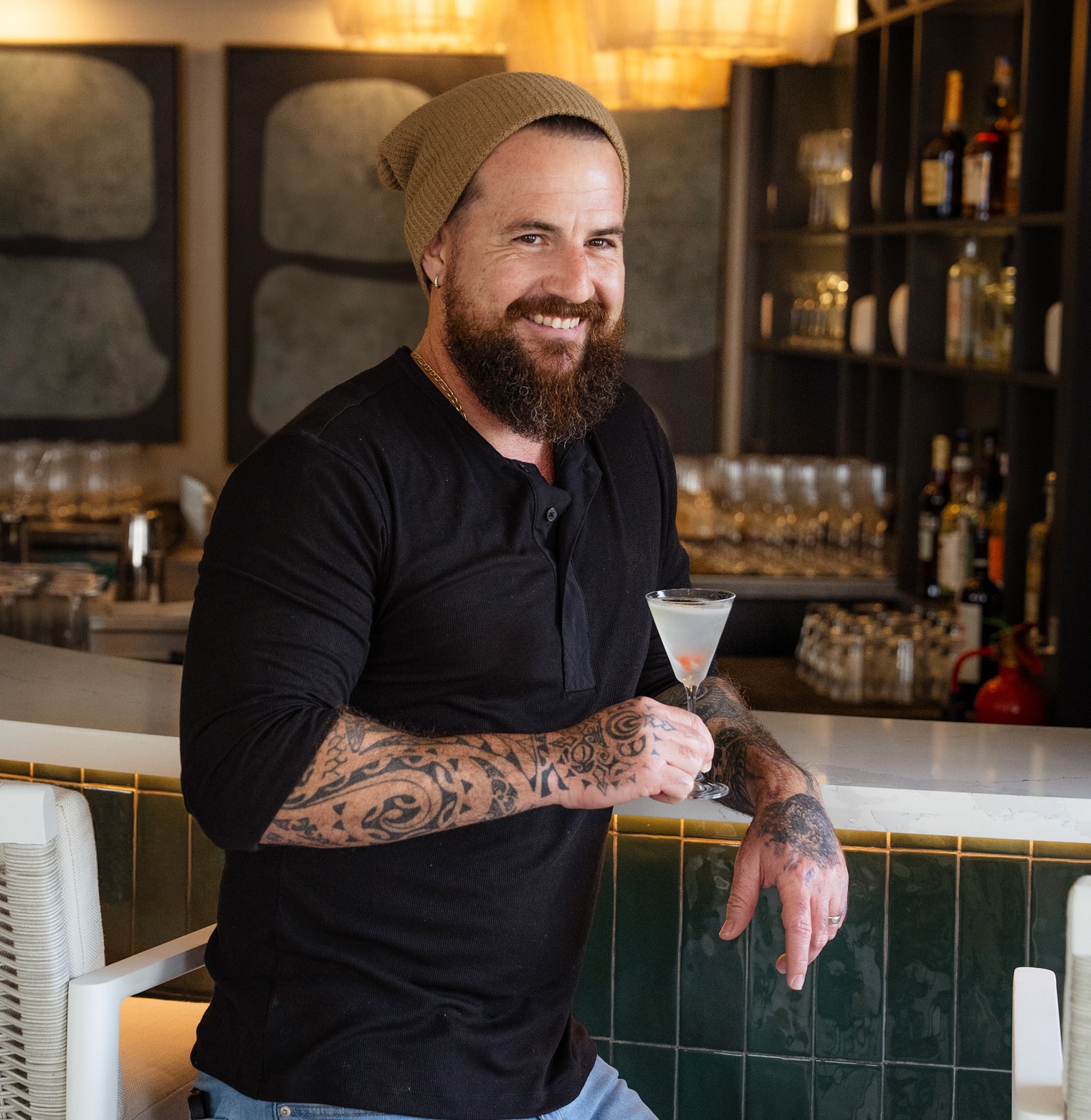
Adrienne Thorpe is a Marketing Coordinator for UVA Barbados, with a passion for the food and beverage industry and a focus on transforming guest experiences into unforgettable memories.