Summary
Fine dining can feel intimidating at first, but understanding the flow of the meal, the role of service, and how to engage with the menu can transform it into an enjoyable and memorable experience. At its core, fine dining is about hospitality, thoughtful cuisine, and creating moments worth savoring rather than rigid rules or formality. When you approach it with curiosity and confidence, fine dining becomes welcoming, rewarding, and surprisingly approachable.
Fine dining is less about knowing every rule and more about appreciating the experience as a whole. For first-time guests, a little preparation goes a long way in turning nerves into excitement. With the right mindset, your first fine dining experience can feel both comfortable and special.
Understanding What Fine Dining Really Means
Fine dining is designed to offer an elevated yet welcoming experience that focuses on quality, pacing, and attention to detail. Unlike casual dining, fine dining places equal emphasis on food, service, and atmosphere to create a cohesive experience from start to finish. Guests are encouraged to slow down, engage with the menu, and enjoy each course as part of a carefully curated journey.
At its heart, fine dining is not about strict etiquette or exclusivity. Instead, it is about thoughtful cooking, gracious service, and an environment that allows guests to relax and feel cared for. Many modern fine dining restaurants aim to feel refined without being intimidating, blending elegance with comfort.
For beginners, the key is to remember that the experience is designed for enjoyment, not judgment. Servers are there to guide you, menus are meant to be explored, and questions are always welcome.
How to Navigate the Menu and Ordering Process
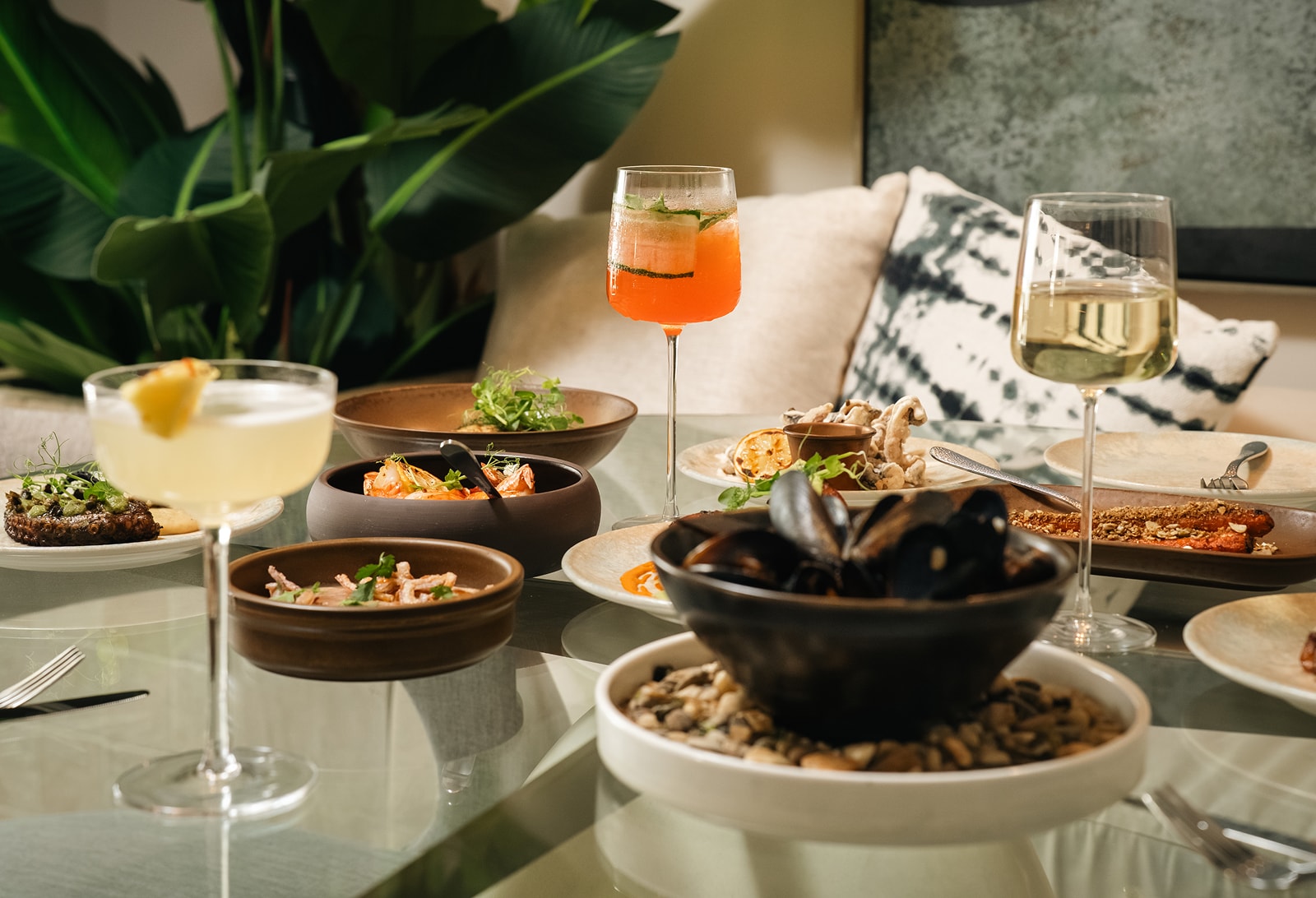
Reading a fine dining menu is about understanding balance, portioning, and progression rather than simply choosing a single entrée. Many fine dining menus are designed for sharing, tasting, or enjoying multiple smaller plates over the course of the meal. This approach allows guests to experience a broader range of flavors and techniques.
If you’re unsure where to start, your server can help explain dishes, suggest pairings, and recommend a pacing that fits your preferences. Asking questions is encouraged and often leads to a more personalized experience. Fine dining menus frequently highlight seasonal ingredients and chef-driven techniques, which are part of the enjoyment.
Helpful tips when ordering include:
- Start with lighter dishes and progress toward richer flavors
- Consider sharing plates to sample more of the menu
- Ask about daily specials or chef recommendations
- Don’t hesitate to request pairing suggestions for wine or cocktails
What to Expect from Service and Atmosphere
Service is a defining element of fine dining, designed to feel seamless, attentive, and unhurried. Staff members are trained to anticipate needs, explain dishes clearly, and adjust the experience based on guest cues. This level of service helps create a relaxed environment where guests can focus on enjoying the meal.
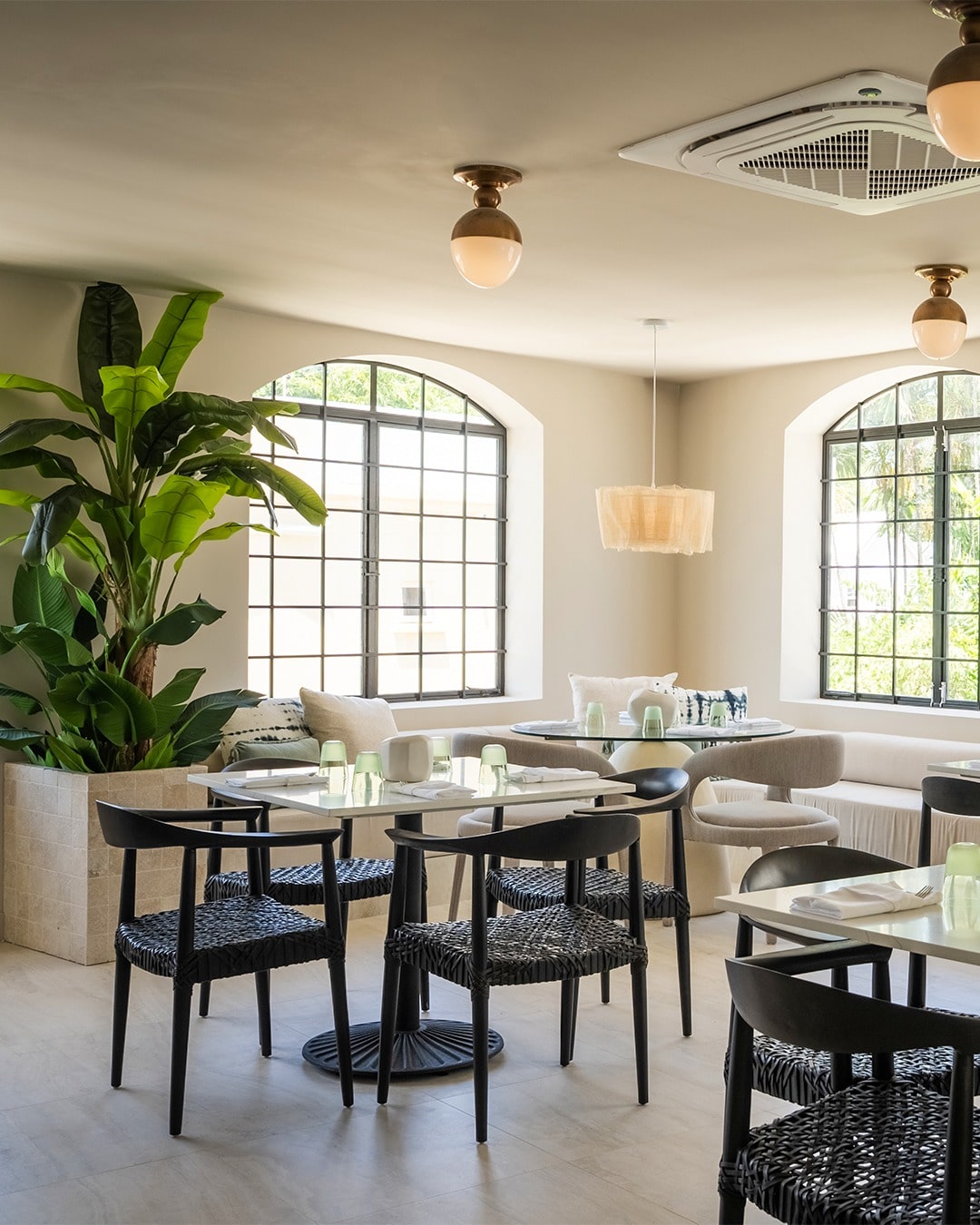
The atmosphere in fine dining restaurants is often intentionally curated to feel calm, polished, and inviting. Lighting, music, and table spacing are carefully considered to encourage conversation and comfort. While the setting may feel more refined than casual dining, it is meant to enhance the experience rather than distract from it.
Below is a simple comparison to help beginners understand how fine dining differs from casual dining:
| Aspect |
Fine Dining |
Casual Dining |
| Pace of Meal |
Slower, multi-course |
Faster, single-course |
| Service Style |
Attentive and personalized |
Functional and efficient |
| Menu Design |
Seasonal, chef-driven |
Standardized and familiar |
| Atmosphere |
Refined and relaxed |
Informal and lively |
If you’re new to fine dining, embracing the slower pace and trusting the service team can make the experience far more enjoyable.
If you’d like to learn more about fine dining experiences or are curious about what to expect at your next special meal, we invite you to Contact Us and continue the conversation.
FAQs
1. What should I wear to a fine dining restaurant?
Most fine dining restaurants recommend smart-casual to elegant attire, but modern fine dining often prioritizes comfort and personal style over strict dress codes.
2. Is it okay to ask questions about the menu?
Absolutely. Asking questions is encouraged and helps the staff tailor the experience to your preferences.
3. Do I need to order multiple courses?
Not necessarily. Many guests enjoy multiple courses, but fine dining is flexible and should align with your comfort level.
4. How long does a fine dining meal usually last?
A fine dining experience typically lasts between 1.5 to 3 hours, depending on the number of courses and pacing.
5. Is fine dining only for special occasions?
While popular for celebrations, fine dining can also be enjoyed casually by anyone looking for a thoughtful, memorable meal.